PM Modi’s Strategic Use of Cultural Diplomacy and Traditional Gifts on Global Stage
Prime Minister Narendra Modi’s recent international tours have highlighted a focus on cultural diplomacy. By gifting iconic Indian artifacts and products to global leaders, the government is fostering international goodwill while promoting local artisanal traditions and national initiatives on the global stage.
Highlights
- •Prime Minister Narendra Modi used symbolic gifts like Parle Melody to strengthen personal rapport and highlight Indian heritage.
- •The diplomatic tour across five nations promoted Indian government initiatives including Vocal for Local and PM Vishwakarma.
- •Historical context reveals that past leaders like Nehru and Vajpayee also utilized cultural diplomacy through symbolic gifts.
- •Gifts provided to world leaders showcase diverse Indian crafts such as Madhubani paintings, Muga silk, and traditional pottery.
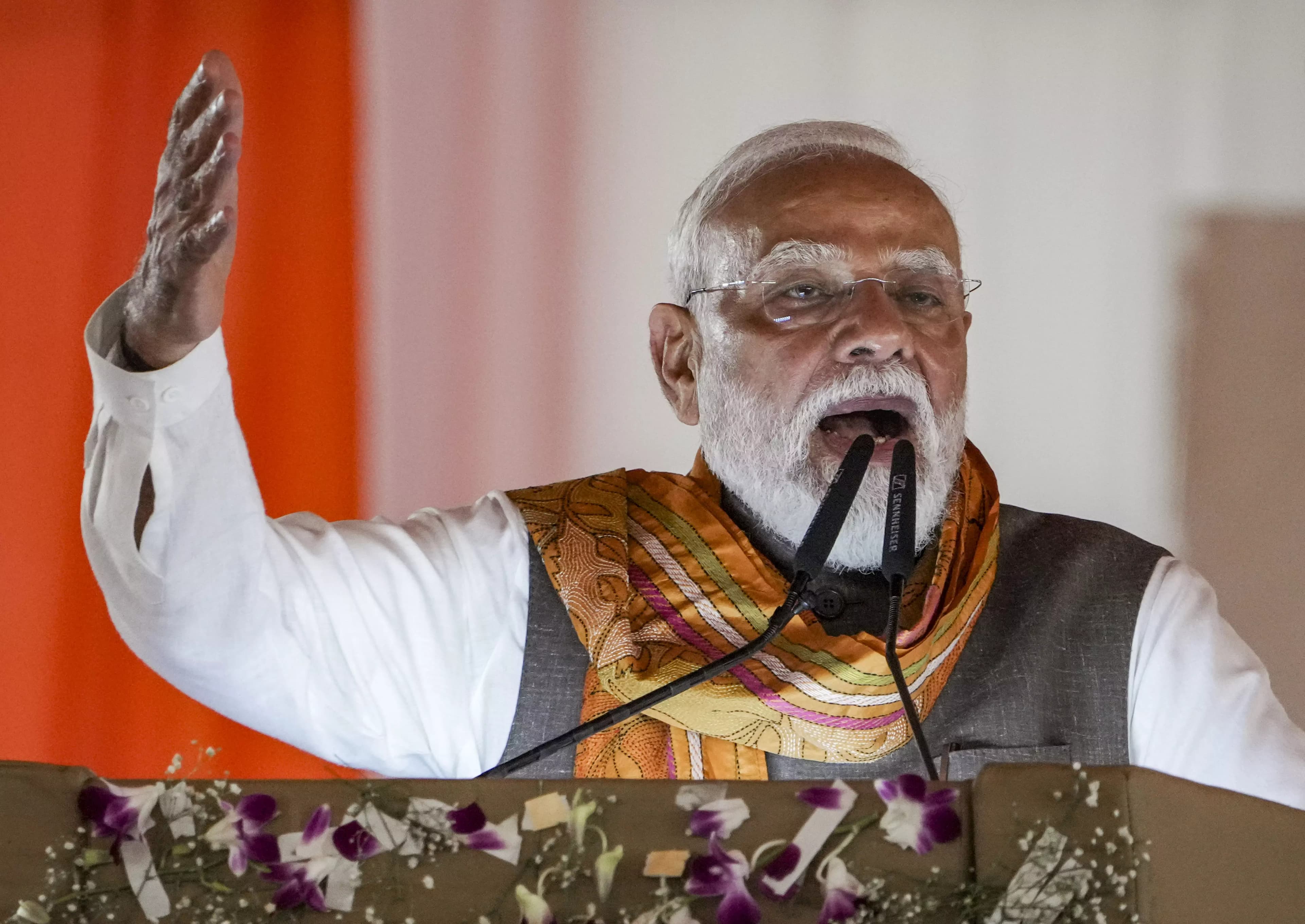
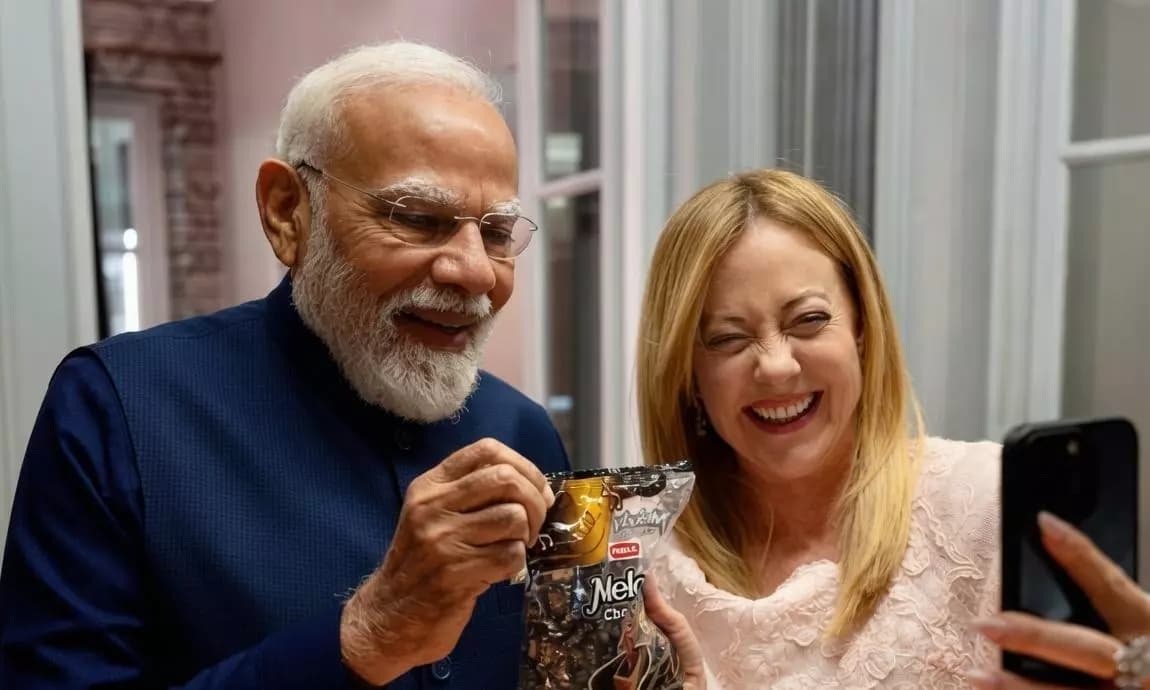
The viral moment of Prime Minister Narendra Modi gifting a pack of Parle Melody to his Italian counterpart, Giorgia Meloni, has captured global attention. While this informal gesture during their May 20 meeting in Rome became an overnight internet sensation, it represents a deeper strategy of cultural diplomacy that has defined recent international engagements. By sharing iconic Indian items with world leaders, the administration is effectively blending personal rapport with the promotion of homegrown heritage.
Strengthening Global Ties Through Cultural Diplomacy
During a significant mid-May 2026 tour covering the UAE, Netherlands, Sweden, Norway, and Italy, Prime Minister Modi curated specific gifts to showcase India’s artistic diversity. These selections support national programs like One District One Product, PM Vishwakarma, and TRIFED. For instance, Dutch Prime Minister Rob Jetten received a Madhubani painting featuring a fish motif, while Swedish Prime Minister Ulf Kristersson was presented with a pure wool stole from Ladakh. Such tokens of cultural diplomacy serve to humanize international relations while highlighting the intricate skills of Indian artisans on the world stage.
The practice of using gifts to bridge civilizations is not new to the Indian political landscape. History reveals a long tradition of leaders utilizing symbolic objects to foster bilateral warmth. Jawaharlal Nehru famously employed elephant diplomacy, sending animals as goodwill gestures to nations like Japan and Germany. Later, Manmohan Singh frequently utilized handwoven carpets and fine marble inlays to represent Indian craftsmanship during state visits to the United States. Leaders such as Indira Gandhi, Rajiv Gandhi, and Atal Bihari Vajpayee all relied on textiles and traditional artifacts to strengthen international bonds, proving that these thoughtful exchanges remain a cornerstone of national outreach.
Showcasing Artisanal Pride and Heritage
The current approach goes beyond simple exchange, serving as a platform for Vocal for Local initiatives. Beyond the high-profile sweets, other notable gifts have included a Sandalwood Sitar given to French President Emmanuel Macron and Kashmiri and Dokra crafts gifted to Slovak Prime Minister Robert Fico. Additionally, Jaipur’s Blue Pottery was gifted to King Willem-Alexander of the Netherlands, and a replica of Sherpa Tenzing Norgay’s 1953 ice axe was presented to Icelandic Prime Minister Kristrún Frostadóttir.
These curated gifts reflect India's commitment to preserving ancient traditions, such as the Koftgari metalworking found in Rajasthan or the Muga silk of Assam. By integrating these products into diplomatic protocol, the government is not only celebrating domestic talent but also quietly establishing new pathways for global recognition and export. Ultimately, these pieces serve as ambassadors of India’s rich civilizational depth, turning every diplomatic encounter into a showcase of national pride and artisan excellence.