Monsoon Delay Puzzles India as Summer Swelters
India faces a delayed monsoon season amid extreme summer heat, raising concerns over potential reduced rainfall impacts on agriculture. Meteorologists predict the first rains to arrive in June but warn of slow momentum.

Highlights
- •Monsoon Delayed: Expected arrival between June 2nd and 4th
- •Northern India's Grinches: Harsh heat persists, with temperatures soaring
- •El Niño Concerns: Potential for reduced overall monsoon rainfall this year
- •Critical Conditions: Lack of heavy rainfall, consistent wind direction, and cloud cover
India is currently grappling with a delayed monsoon season, causing widespread concern amidst the brutal summer heat. Usually kicking off around June 1st, this year's monsoon was expected to arrive early in Kerala by May 26th but failed to materialize. Now, meteorologists predict a more modest arrival between June 2nd and 4th.
According to environmental scientists, declaring the start of monsoon involves specific criteria: heavy rainfall for at least two consecutive days across most regions of Kerala, consistent wind direction, and sufficient cloud cover. Currently, none of these conditions are met, explaining the delay. Experts warn that even when it does finally rain in June, the momentum will be slow, likely not immediately covering all regions.
South vs North: A Tale of Two Climates
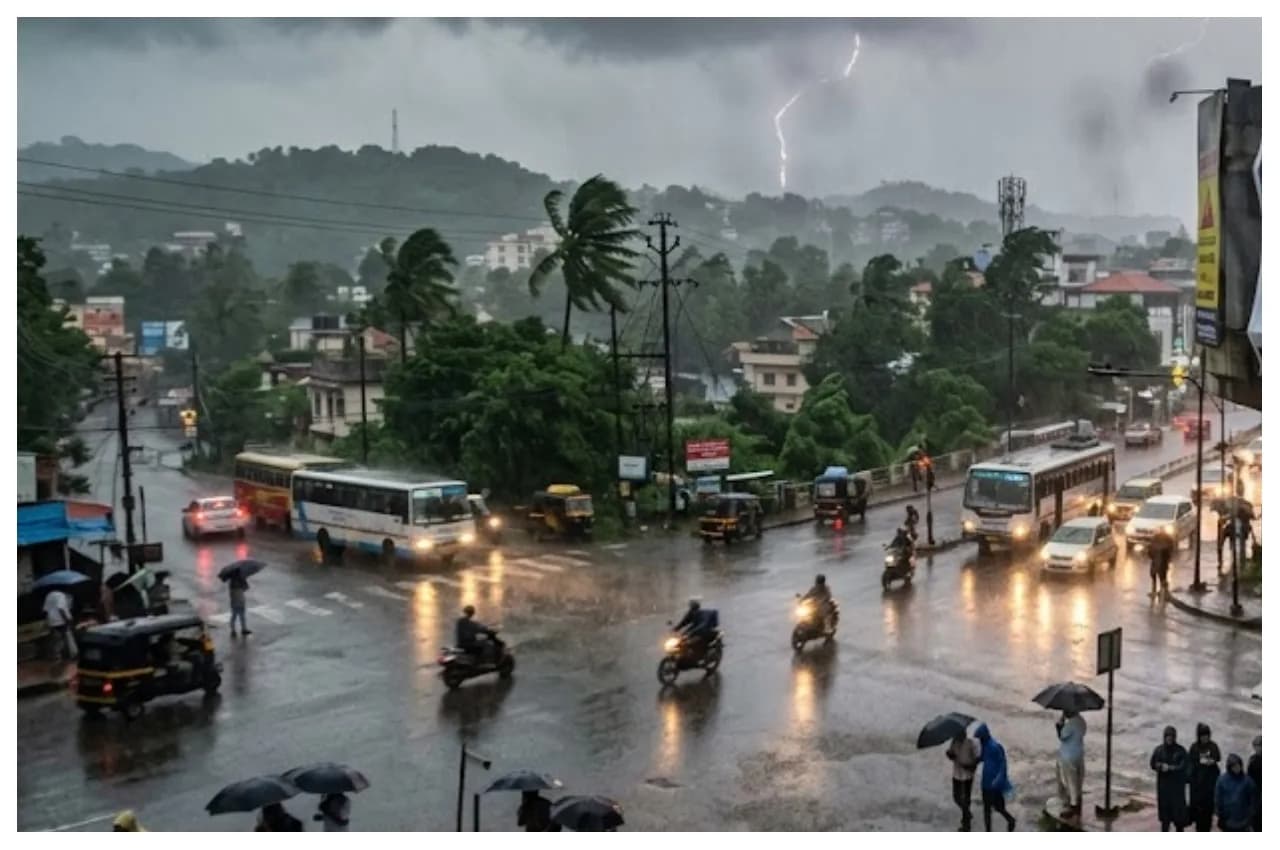
The southern region of Kerala is experiencing plenty of pre-monsoon rains, even issuing warnings for potential heavy storms. However, northern and central parts of India remain in a baking heatwave, with 95 out of 100 hottest cities being Indian. Cities like New Delhi endure scorching temperatures, frequently breaching the 45°C mark, both during the day and into the night.
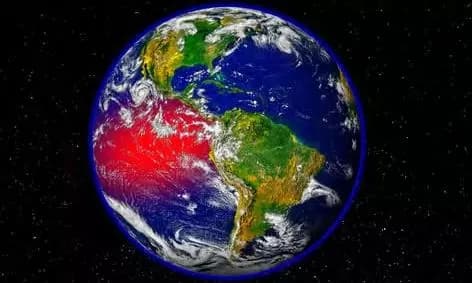
The delay is not just an inconvenience; experts are also predicting a potential reduction in overall rainfall this year due to El Niño, known for reducing monsoon rains. Therefore, patience will likely be required as conditions develop further through mid-June.
This prolonged dry spell could impact agriculture and water supplies, highlighting the need for proactive measures.