Managing Linguistic Challenges within Expanding European University Alliances
European university alliances are transforming higher education by fostering cross-border cooperation. However, managing linguistic diversity remains a critical challenge, requiring strategic choices that influence governance, student participation, and the overall success of these integrated academic partnerships.
Highlights
- •European university alliances aim to create an integrated academic space across the continent.
- •Approximately 600 institutions are now federated through various alliance partnerships.
- •Language choices act as a strategic governance tool affecting inclusion and collaboration.
- •Alliances often employ a hybrid linguistic approach, balancing English as a lingua franca with national languages.
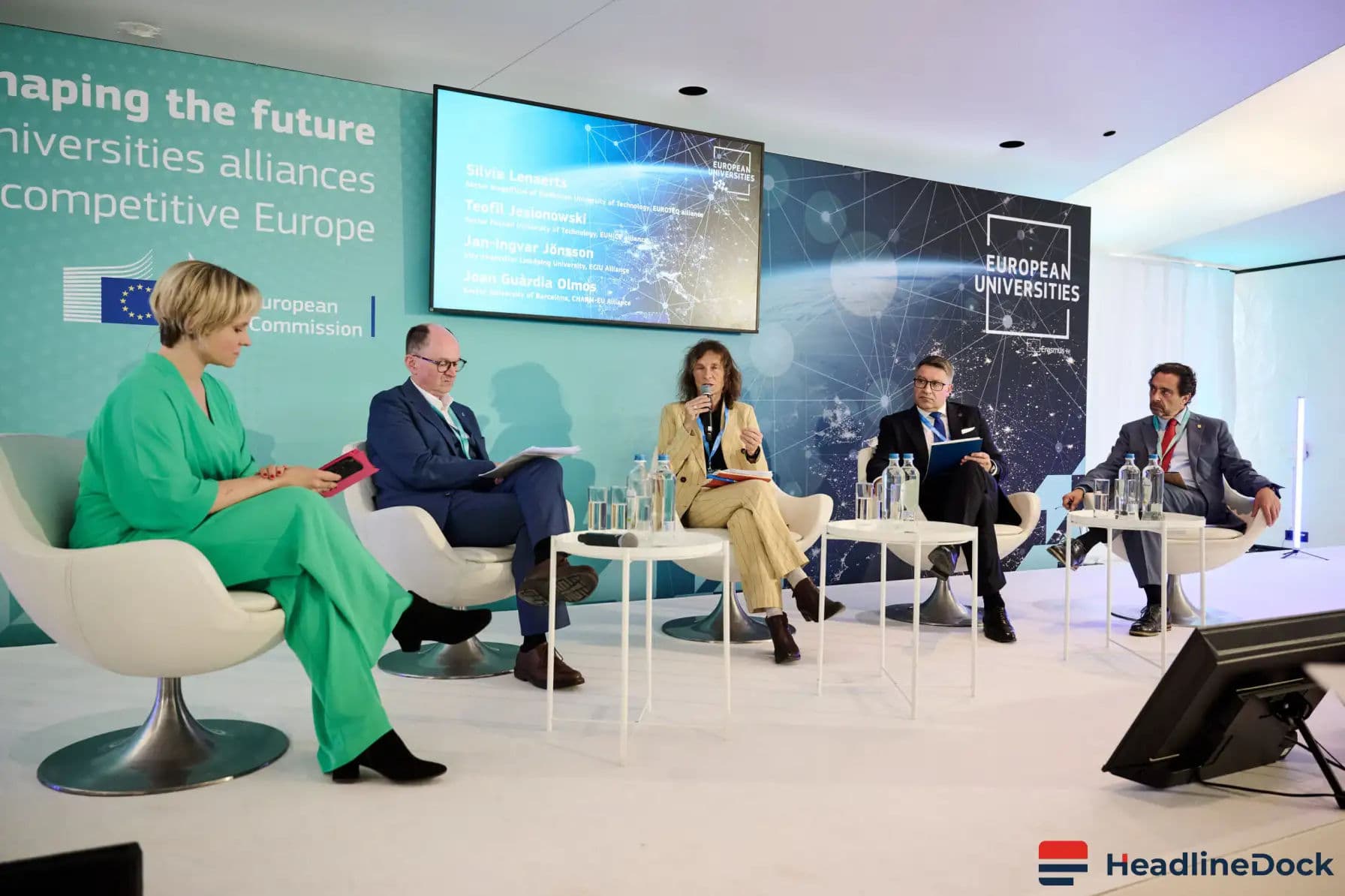
Since 2019, European university alliances have increasingly shaped the landscape of higher education. Supported by the European Commission under the Erasmus+ program, these partnerships are designed to forge a more integrated academic space by linking institutions across different countries through collaborative research, joint study programs, and increased student mobility. As these initiatives expand, effectively managing European university alliances has become a complex task, particularly when addressing the inherent linguistic diversity among member nations.
The growth of this initiative has been rapid, with dozens of alliances now connecting approximately 600 institutions throughout the continent. While this diversity of languages represents a significant cultural resource, it also introduces substantial operational challenges. When coordinating institutions from disparate linguistic systems, partners must navigate the strategic selection of languages for administration, teaching, and internal communication.
Navigating Linguistic Challenges in Academic Collaboration
Operating a successful alliance requires more than just harmonizing strategies or pooling resources. Because national languages remain deeply embedded in the administrative, pedagogical, and research practices of individual universities, choosing a working language is a critical strategic decision. Research indicates that for many alliances, adopting English as a lingua franca serves as a functional and pragmatic solution, particularly for online institutional communication and shared course offerings.
However, this choice is not a universal fix. Many alliances operate in hybrid configurations where multiple languages coexist. For example, while strategic leadership meetings might be conducted in English, local teaching, internal administrative interactions, and engagement with local socio-economic environments often continue in national languages. These balances are not static and often require ongoing adjustment as the number of partners involved grows and specific projects demand higher levels of linguistic coordination.
Language as a Strategic Governance Variable
Linguistic choices function as a vital component of governance rather than merely a communication tool. The selection of a working language directly impacts the participation, inclusion, and power dynamics within these partnerships. When a shared language is mastered equally by all participants, collaboration is streamlined. Conversely, situations of linguistic asymmetry can lead to exclusion or reduced access to vital information for those less proficient in the chosen language.
Furthermore, these challenges extend into pedagogical innovation. Alliances often grapple with how to structure joint curricula, balance disciplinary learning with linguistic requirements, and facilitate cross-border mobility. While some institutions are successfully testing multilingual academic environments, such efforts remain heavily dependent on available resources and institutional capacity. Ultimately, there is no single model for these partnerships. Instead, European university alliances are navigating a continuous process of building and refining linguistic balances that allow them to function effectively while upholding the goal of a deeply integrated European higher education area.