Saving the Fading Traditional Herbal Knowledge of Berbak, Jambi
The rich tradition of using medicinal plants in the buffer villages of Taman Nasional Berbak, Jambi, is fading. To prevent its loss, experts urge a combination of educational reform and industrial partnerships to connect traditional herbal knowledge with modern economic and health sectors.
Highlights
- •The Taman Nasional Berbak Sembilang in Jambi holds a vast collection of medicinal plants under threat of being lost.
- •Researchers identified 71 medicinal plant species, including the 'spirtus' plant, used by locals for various health conditions.
- •Traditional knowledge is fading as younger generations prioritize modern medicine and economic agricultural commodities.
- •Experts call for educational integration and industrial partnerships to revitalize and preserve traditional herbal practices.
The Taman Nasional Berbak Sembilang, a protected forest region stretching across the coastal areas of Jambi and South Sumatra, has long been recognized as a critical sanctuary for biodiversity. Since its designation as a protected area in 1935, the region has served as a natural pharmacy, harboring an extensive collection of medicinal plants. However, the deep-rooted traditional herbal knowledge once held by the local communities in Berbak is now facing an existential threat, risking the total disappearance of this cultural and therapeutic heritage.
Preserving Traditional Herbal Knowledge
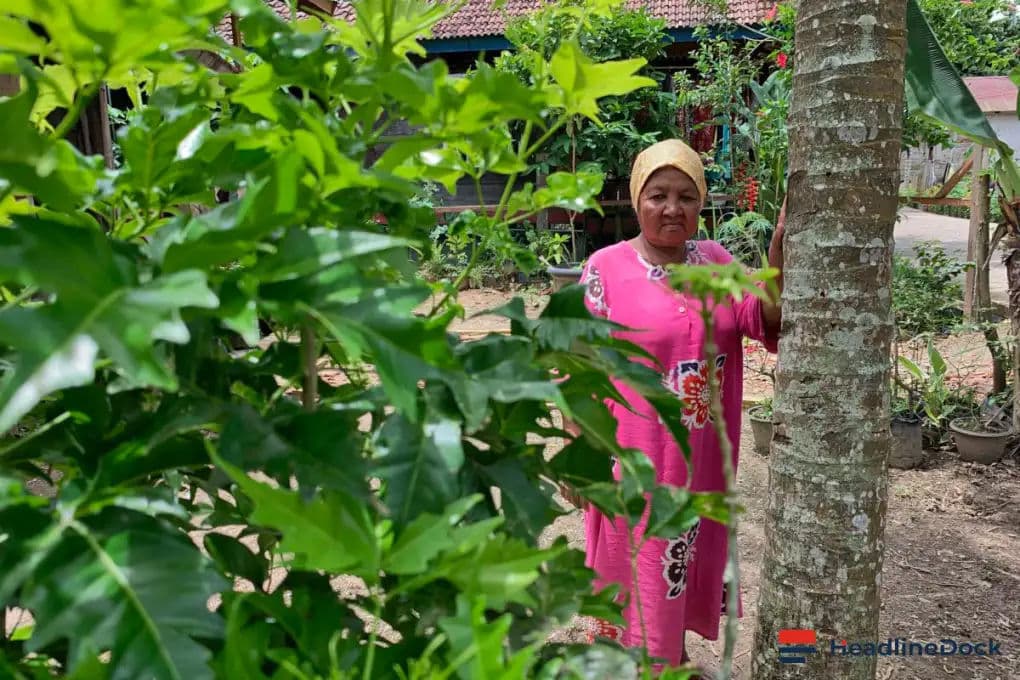
In April 2026, a research team conducted an ethnobotanical study in two buffer villages near the national park: Desa Sungai Rambut and Desa Rantau Rasau, located in the Tanjung Jabung Timur district. The investigation revealed that at least 71 species of medicinal plants are still known to the local residents, including Erythrina orientalis (dadap), Mimosa pudica (sekejut), Zingiber Sp. (lempuyang), Physalis angulata (leletup), and a plant locally known as spirtus. Residents utilize these botanical resources to treat various ailments, ranging from fevers and stomach issues to skin conditions like eczema.
The methods for preparing these remedies are diverse, involving techniques such as crushing leaves, boiling roots, or gently heating foliage over a fire before topical application. Specifically, the research highlighted the use of spirtus leaves, often mixed with kerosene, as a treatment for eczema. Scientific efforts are currently underway to identify the chemical composition—specifically fitosterol—of these plants in laboratory settings to validate their therapeutic potential.
Addressing the Erosion of Cultural Wisdom
Despite the medicinal richness of the area, the transmission of this knowledge from older generations to the youth has significantly faltered. Many younger residents view traditional healing as outdated, preferring modern medical treatments provided by public health centers, which are perceived as more convenient. Furthermore, the economic pressure to pursue more profitable agricultural commodities, such as palm oil and areca nuts, has diminished the local interest in cultivating medicinal plants.
To prevent the extinction of this heritage, experts advocate for an ethnobiopedagogical transformation. This approach requires integrating traditional knowledge into local educational curricula to foster pride among the younger generation. Additionally, there is a pressing need for collaboration between the government, local communities, and the pharmaceutical industry. By bridging the gap between village-level herbal knowledge and the growing global demand for fitofarmaka or nature-based pharmaceuticals, the region can create sustainable economic incentives. If these plants can provide a reliable income stream, the local community will be empowered to preserve both the forest ecosystem and the vital traditional herbal knowledge that defines their identity.