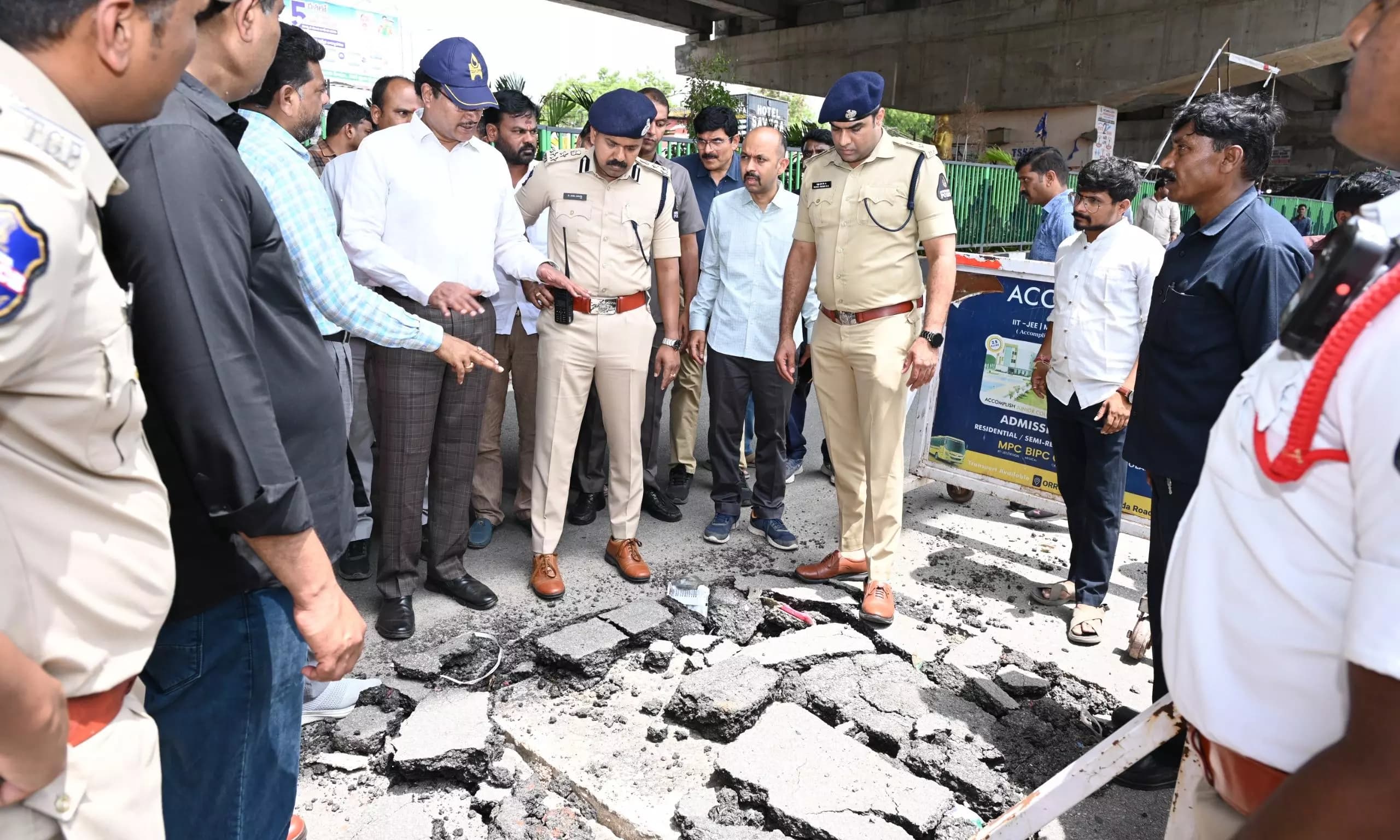
Khairatabad Infrastructure Crisis: Manhole Collapse Prompts New Sewage Maintenance Measures
Following a manhole collapse and ongoing sewage overflows in Khairatabad, authorities have launched intensive de-silting drives and a new red-marking system to identify and prioritize problematic drainage points, aiming for a permanent resolution to persistent local sanitation issues.
Highlights
- •Authorities identified a 15-year-old collapsed manhole as a major cause of sewage spills in Khairatabad.
- •HMWS&SB Managing Director K. Ashok Reddy ordered special de-silting drives and mandatory weekly inspections for sewer lines.
- •Frequently overflowing manholes will now be marked with red paint for immediate identification and maintenance priority.
- •Officials are required to maintain online records of all maintenance work and silt removal to improve accountability.
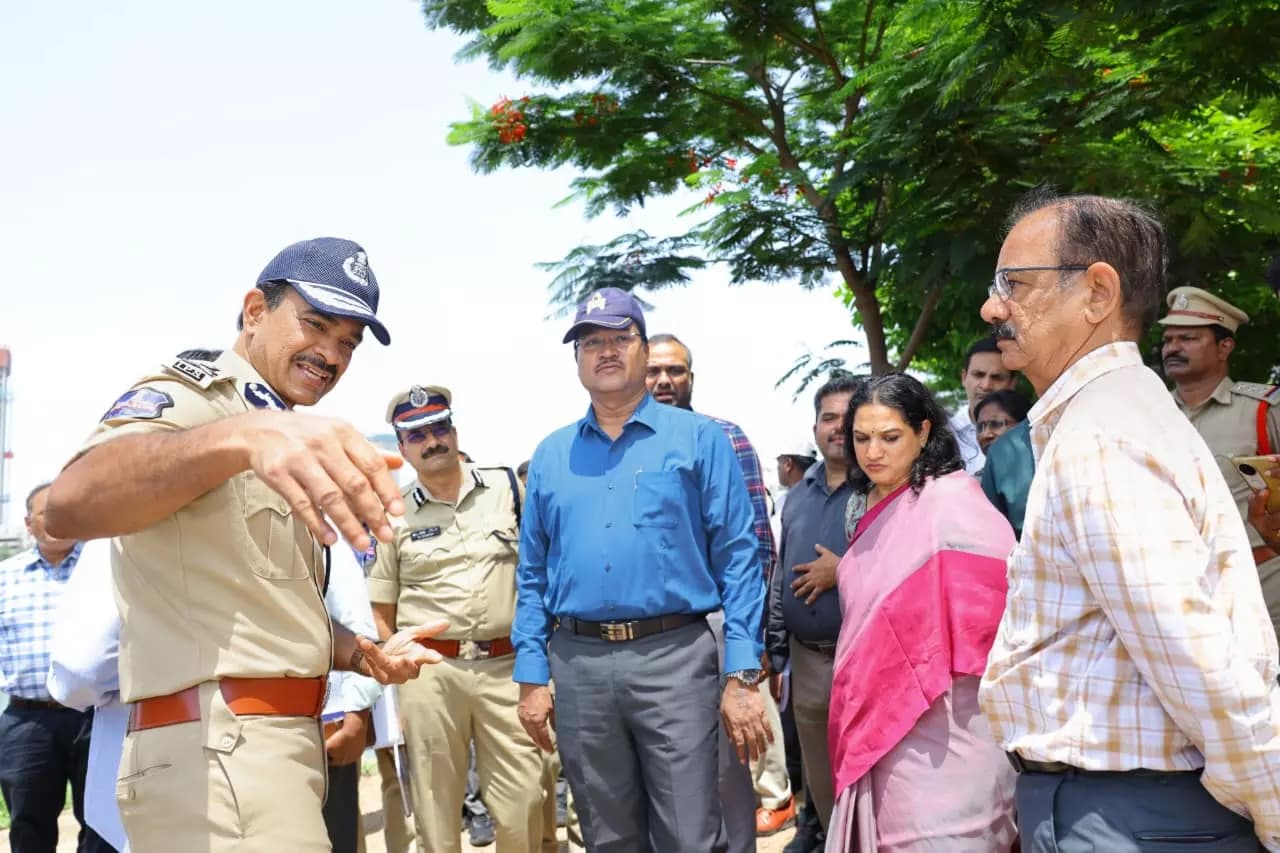
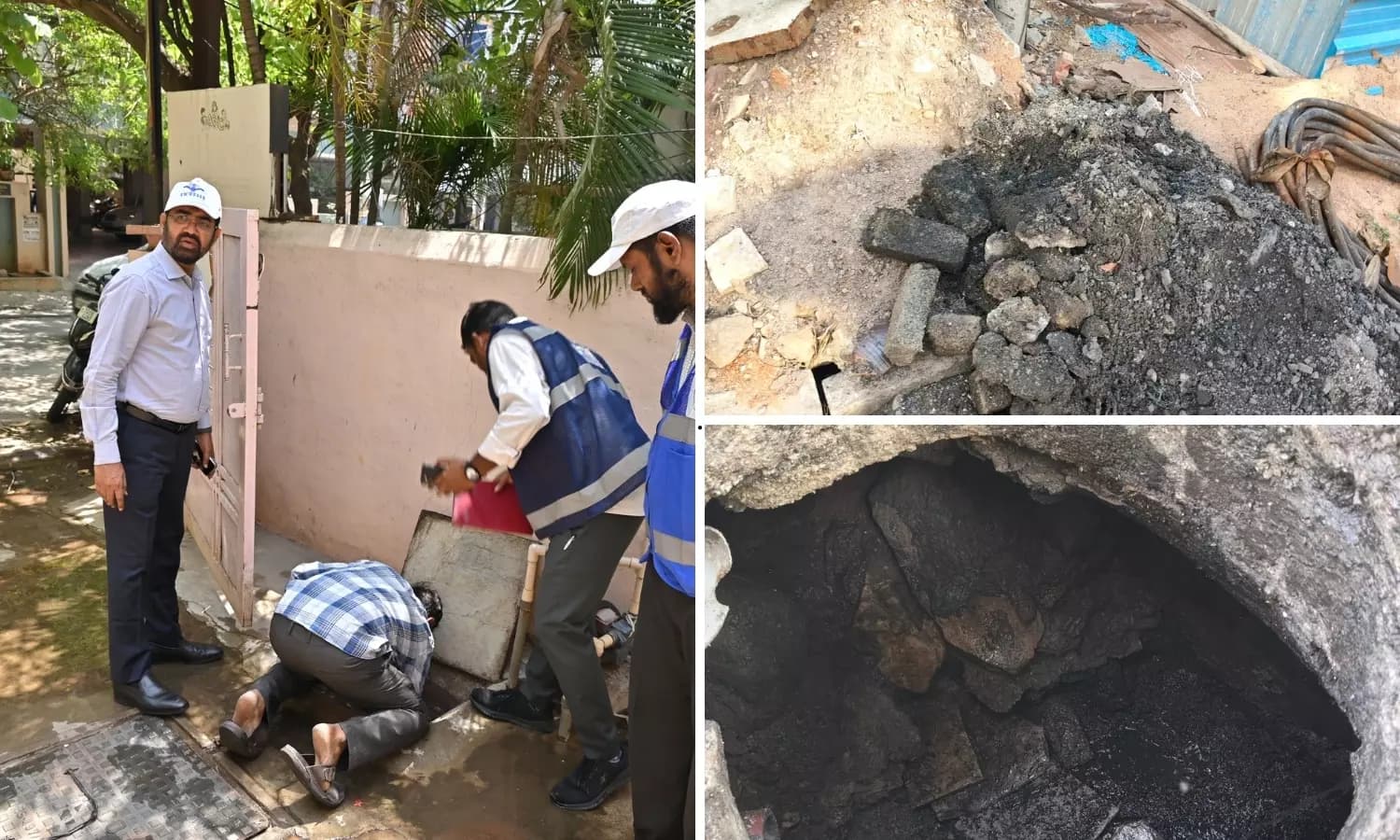
Recent infrastructure concerns have emerged in Khairatabad as officials grapple with a manhole collapse that has resulted in significant sewage spills. The issue, which has caused distress among local residents in Naveennagar Colony and Anandnagar, highlights the urgent need for enhanced maintenance of the city's drainage network. A surprise inspection conducted this Tuesday by K. Ashok Reddy, the Managing Director of HMWS&SB, revealed that long-term silt accumulation was a primary driver behind the persistent overflows.
Addressing Sewerage Infrastructure Challenges
During the field assessment, authorities identified that a deep manhole, originally installed approximately 15 years ago, had suffered a structural collapse. This damage has created a major obstruction, hindering the regular flow of sewage and exacerbating the overflow problems faced by the community. K. Ashok Reddy emphasized that the reconstruction of this specific manhole is critical to providing a permanent solution for the recurring issues in that segment of the locality.
To improve oversight and responsiveness, the HMWS&SB leadership has mandated new maintenance protocols. Officials have been instructed to execute intensive de-silting operations, particularly in zones identified as problem-prone. Furthermore, there is a requirement to maintain comprehensive online logs that track the volume of silt removed and the specifics of maintenance activities performed on sewer lines. This data-driven approach is expected to streamline operations and ensure accountability at the local level.
New Safety Measures for Problematic Manholes
In a move to increase visibility and immediate response, the management has introduced a color-coded identification system. Any manhole observed to overflow frequently will now be marked with red paint. This simple yet effective measure allows maintenance teams to quickly identify and prioritize infrastructure that requires urgent attention. K. Ashok Reddy also directed officials to conduct weekly reviews of locations that frequently report service requests. By focusing efforts on these high-complaint zones, the board aims to identify root causes and resolve persistent drainage issues before they escalate. This proactive stance is part of a broader commitment to stabilizing the city’s aging underground utility systems and ensuring that sewage management meets public safety standards for the residents of the affected regions.