Kerala Renews Demand to Declare Wild Boars as Vermin Amid Crop Raiding
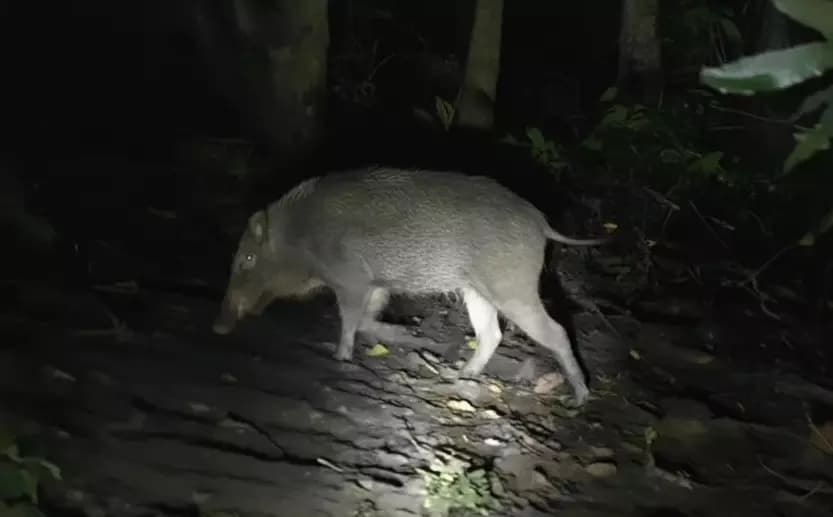
The Kerala government is preparing to request the Union government to declare wild boars as vermin. This initiative seeks to mitigate increasing crop damage and wildlife conflict by streamlining current culling procedures while exploring long-term ecological solutions like forest management and habitat preservation.
Highlights
- •Kerala will again lobby the Union government to declare wild boars as vermin.
- •The move aims to curb severe crop raiding and protect human life in the state.
- •Current culling procedures are strictly regulated under the Wildlife Protection Act.
- •State authorities are also prioritizing the removal of invasive species from forest areas.
The Kerala government is set to renew its efforts to address the persistent challenge of crop raiding by wildlife, particularly by wild boars. Forest Minister Shibu Baby John recently confirmed that the state administration will once again formally appeal to the Union government to classify wild boars as vermin.
This long-standing issue has caused significant distress to local farmers, as these animals frequently damage crops and threaten human safety. The state authorities believe that receiving approval to declare wild boars as vermin would provide a more effective framework for managing their population and reducing the impact on agricultural land.
Addressing Wildlife Conflicts and Crop Damage
Minister Shibu Baby John highlighted that current protocols for managing these animals are being strengthened, even as the state awaits a positive response from the center. He noted that federal authorities have historically been hesitant, citing concerns that granting such permissions in one region could trigger similar demands across the country. Consequently, the state has been advised to continue adhering to existing, albeit limited, culling procedures.
Currently, the process for managing crop-raiding animals is rigorous. Affected individuals must submit an application to their local governing body, which then requires formal authorization from the Divisional Forest Officer and the Chief Conservator of Forests before any action can be taken. The state's goal, supported by a 2024 resolution passed by the Kerala Assembly, is to amend the Wild Life (Protection) Act to simplify this process.
Beyond legislative changes, the government has explored practical alternatives. Discussions regarding the potential use of meat from culled animals in state-run zoos were considered to avoid wastage. However, the Minister clarified that current legal regulations do not allow for such practices. The department remains focused on finding sustainable long-term solutions, moving beyond just culling.
Evaluating Infrastructure and Forest Management
The conversation also shifted to the efficacy of physical barriers, such as trenches, along forest fringes. Shibu Baby John expressed skepticism, noting that trenches are not a universal panacea. These structures demand continuous, costly maintenance and are often breached by larger animals like elephants, rendering them ineffective in some terrains.
Furthermore, the government is prioritizing ecological balance by removing invasive plant and tree species from the forests. The policy is to replace these with native vegetation, which is expected to help contain wildlife within their natural habitats, potentially reducing the frequency of human-animal encounters. As the Kerala government prepares for upcoming discussions with the Union government, the focus remains firmly on finding a balanced approach that protects both the livelihoods of farmers and the state's diverse wildlife populations.