Israel Refuses Withdrawal from Seized Territory Amidst Pending US-Iran Interim Deal Talks
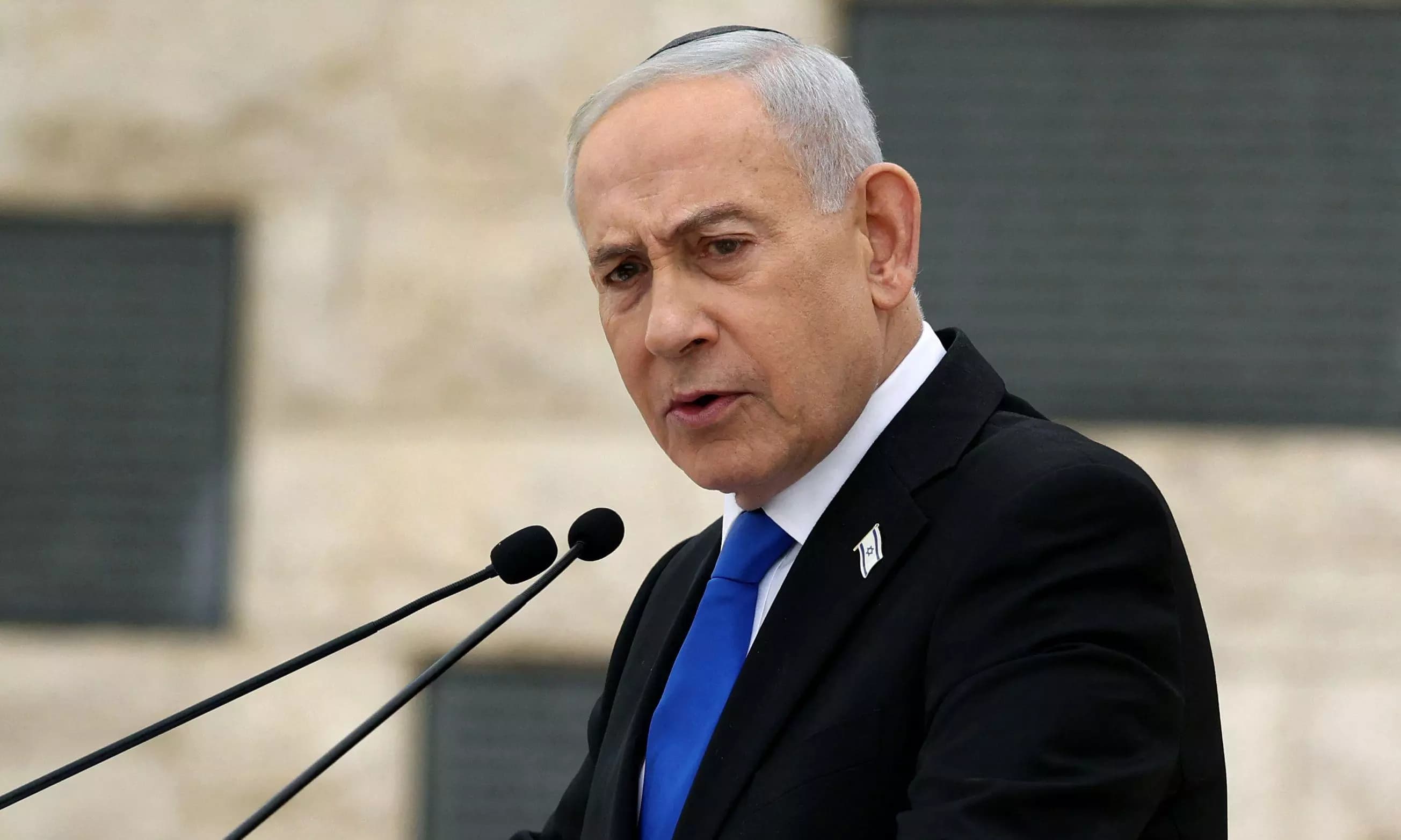
Israel's Defence Minister, Israel Katz, has announced that the state will indefinitely maintain control over seized territories in Lebanon, Syria, and Gaza. This declaration comes as the US and Iran prepare for interim deal negotiations in Geneva, highlighting ongoing regional military and diplomatic tensions.
Highlights
- •Defence Minister Israel Katz stated Israel will not withdraw from seized Lebanese, Syrian, and Gazan territories.
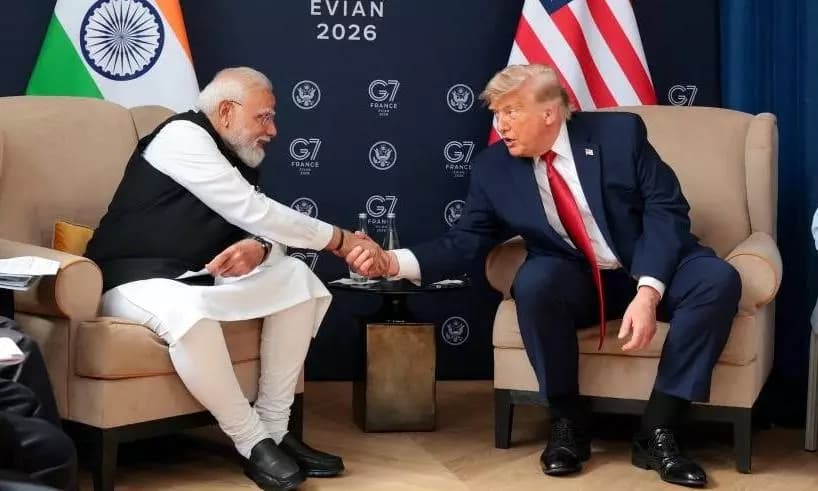
- •An interim agreement between Iran and the United States is pending, with talks scheduled in Geneva.
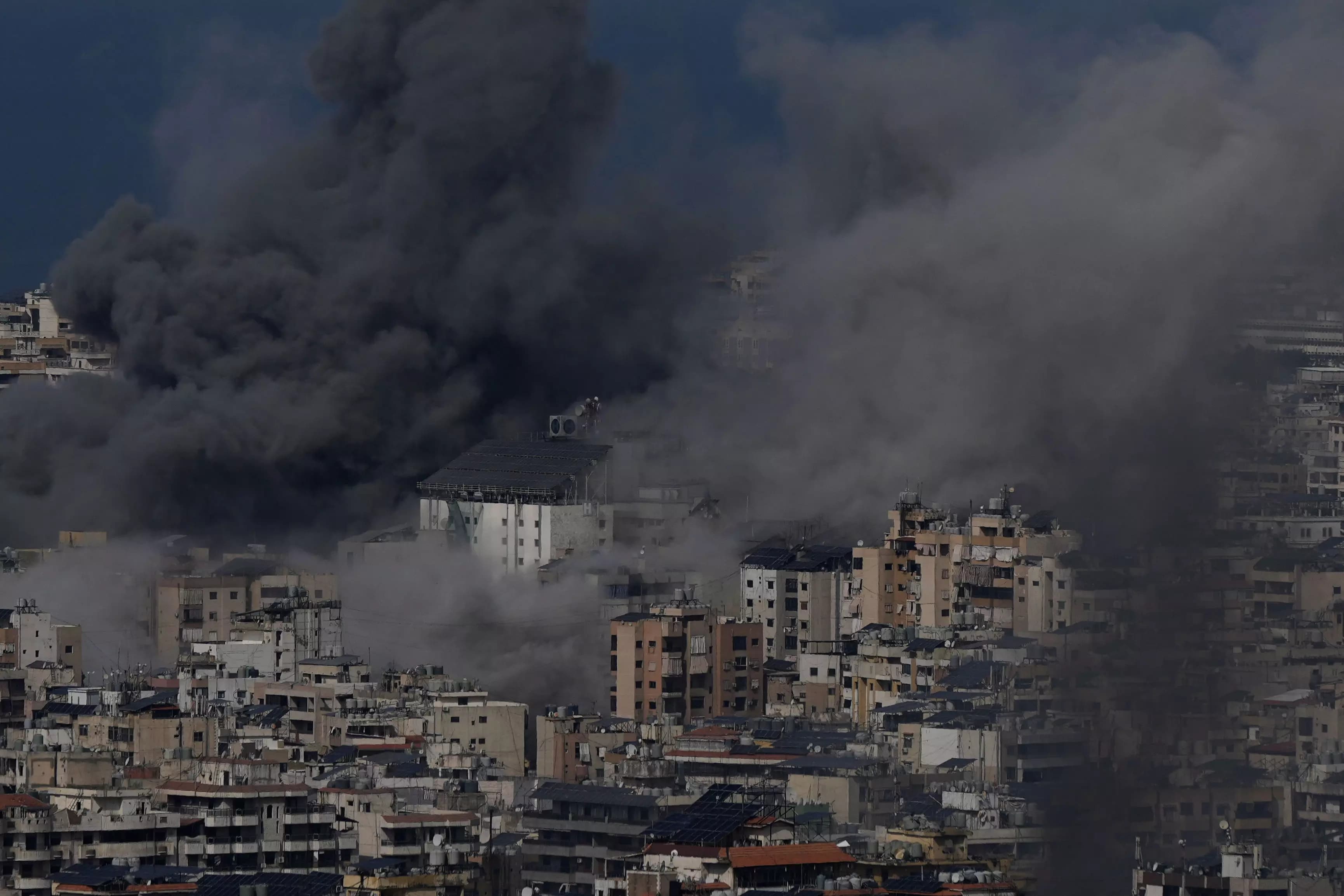
- •Israel warned of a forceful response if Iran retaliates for military strikes against Hezbollah in Lebanon.
- •Total seized territory across these regions currently spans approximately 1,000 square kilometers.
Israel has formally declared that it will not withdraw from territories currently under its control in Lebanon. This statement by the Israeli Defence Minister, Israel Katz, arrives as a significant development amidst an ongoing interim agreement being negotiated between Iran and the United States. The position taken by the defense leadership highlights a firm stance on security operations in the region.
Following the public disclosure of the pending interim agreement, these remarks represent the initial official response from the Israeli government. Diplomatic efforts are currently underway, with reports indicating that both involved parties are scheduled to convene in Geneva this coming Friday to potentially finalize the arrangement. The territorial status of regions currently held by Israel remains a critical point of friction in these international negotiations.
Israel's Stance on Continued Territorial Control
According to Israel Katz, the state intends to maintain its presence in the lands it currently occupies across Lebanon, Syria, and the Gaza Strip for the foreseeable future. The minister described this occupation as indefinite. This operational strategy is being framed against a backdrop of complex regional dynamics, where Iran has reportedly attempted to link the terms of the interim deal to a cessation of Israeli military actions against Hezbollah within Lebanon.
In addition to outlining these security intentions, Katz issued a stern warning regarding potential escalations. He asserted that if Iran decides to engage in aggressive actions against Israel in retaliation for strikes conducted in Lebanon, the Israeli military is prepared to respond with significant force. This rhetoric underscores the heightened state of tension that has persisted over the last two and a half years of conflict.
Throughout this extended period of military engagement, Israel has expanded its physical footprint across several fronts. The total area currently controlled by Israel in Gaza, Lebanon, and Syria is estimated to be approximately 1,000 square kilometers. For context, this total landmass is slightly smaller than the city of New York. As regional powers continue to monitor these developments, the refusal to withdraw suggests that the current status quo in these seized territories is unlikely to shift in the near term, regardless of the outcomes of the impending diplomatic meetings in Geneva.