Israel Captures Beaufort Castle in Deepest Lebanon Push
Israel has captured the strategic Beaufort castle, marking the deepest incursion into Lebanon since 1997. This move intensifies the conflict and raises diplomatic concerns.
Highlights
- •Beaufort castle capture
- •Israeli-Lebanon conflict
- •Hezbollah militancy
- •UN Security Council pressure
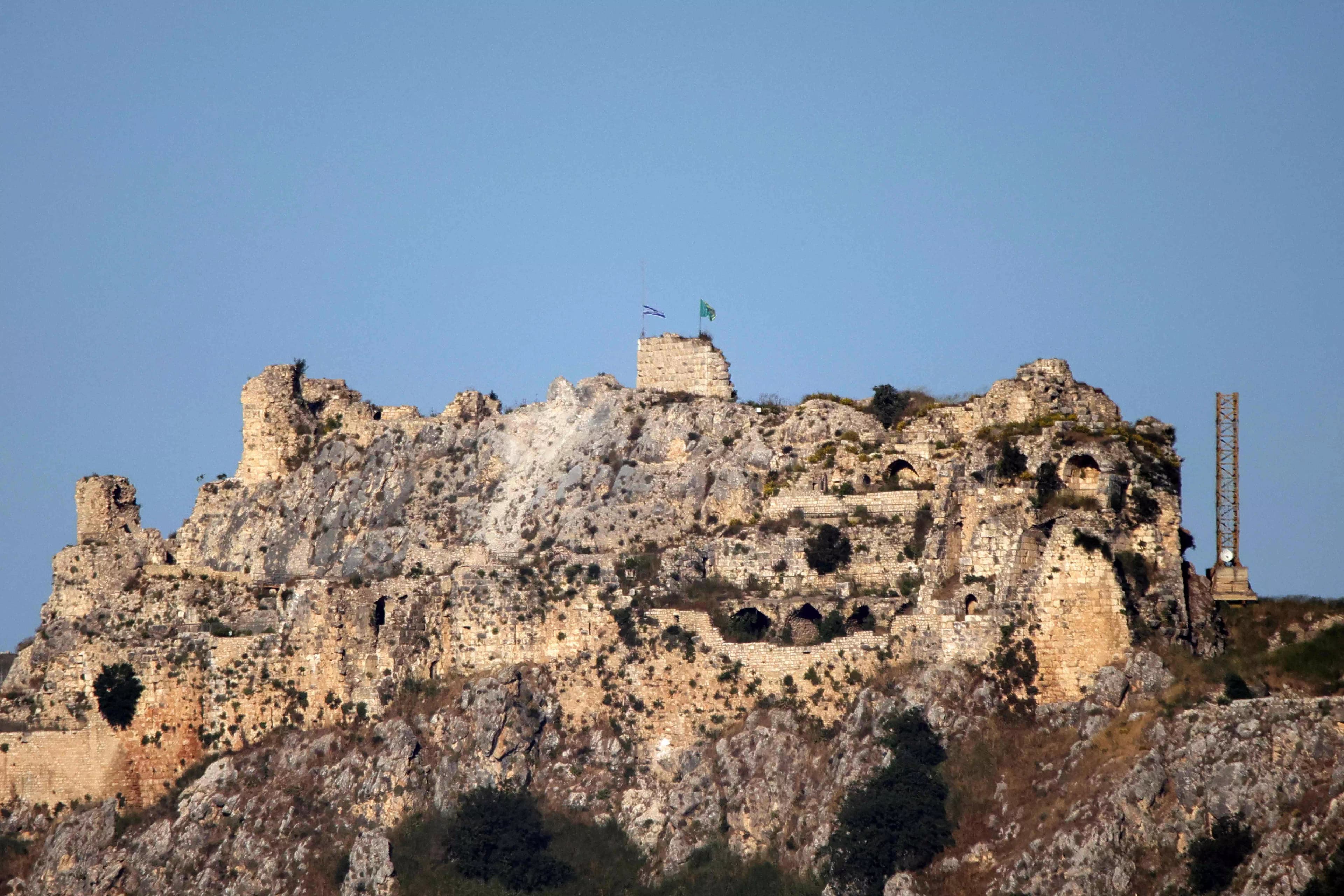
Israeli troops have captured a strategic Crusader-built castle atop a mountain in southern Lebanon, marking the deepest incursion into the country in over 25 years. The Beaufort castle, near Nabatiyeh, was seized during intense fighting with Hezbollah militants, following days of airstrikes and ground battles.
Strategic Importance
The 1982 capture of Beaufort from the Palestine Liberation Organization (PLO) was a significant victory for the Israeli military. The castle perched atop Lebanon's rolling green hills commands an extensive view over southern Lebanon and northern Israel, making it geopolitically vital.
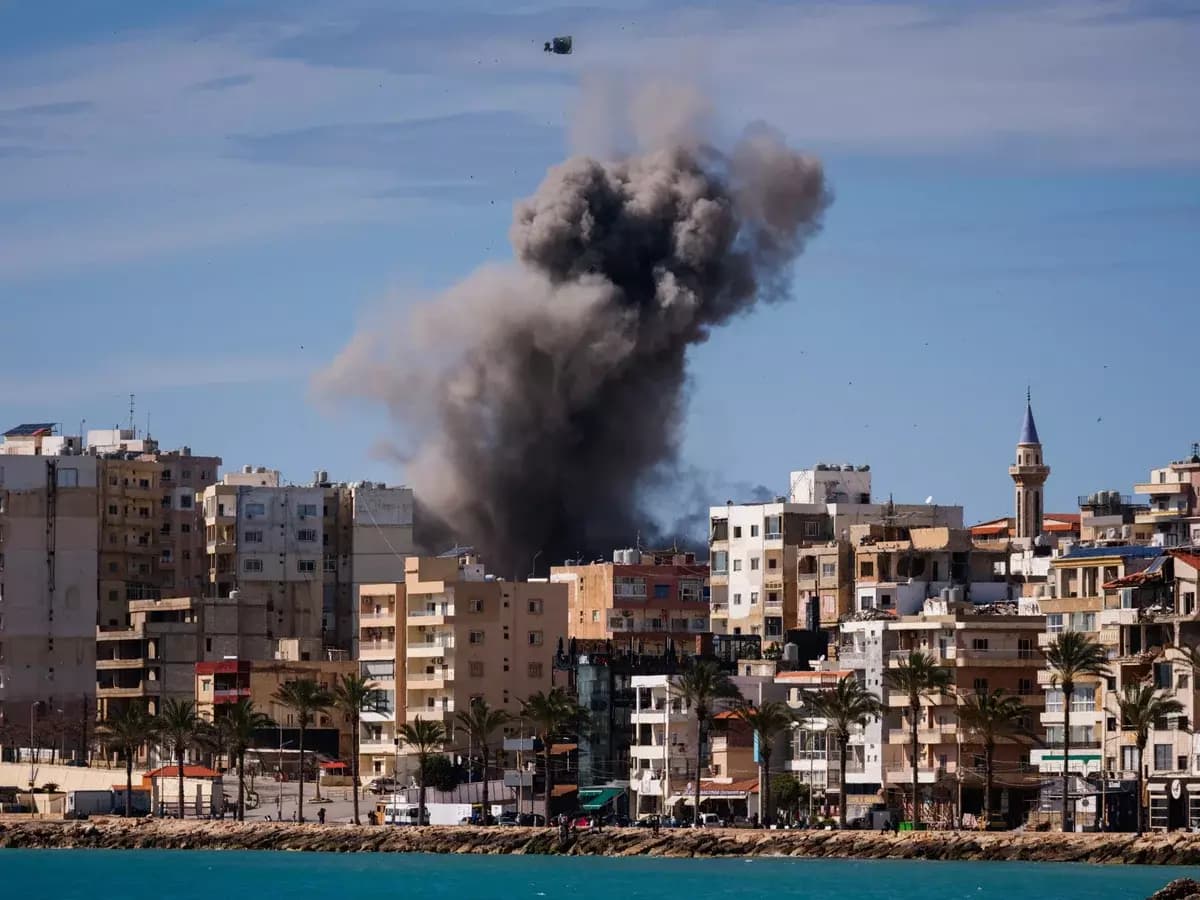
Since March 2, when Hezbollah fired rockets into northern Israel, tensions have escalated, prompting an Israeli ground invasion that has captured dozens of Lebanese villages. Although a ceasefire is in place since April 17, Israel continues to advance, targeting more homes and military infrastructure.
Diplomatic Pressure
France requested an emergency meeting of the United Nations Security Council to address the "unacceptable" Israeli incursions into Lebanon. Lebanese Parliament Speaker Nabih Berri warned that Hezbollah's commitment to a ceasefire is conditional on Israel halting its aggression.
UNESCO previously boosted protection for 34 cultural sites in Lebanon, including Beaufort Castle, to shield them from conflict damage. The expanded operation by Israeli forces could deepen regional tensions and impact upcoming negotiations in Washington.
The seizure of Beaufort marks a significant shift in the ongoing Israel-Hezbollah war, with both sides continuing intense exchanges along the border despite ceasefires.