Indian Faces of Global Luxury: Redefining Trends and Market Strategy
The rise of Indian faces of global luxury, such as Priyanka Chopra Jonas and Ananya Panday, reflects a major shift in brand strategy. With the Indian luxury market projected to reach $19 billion by 2034, brands are prioritizing cultural relevance to reach sophisticated local consumers.
Highlights
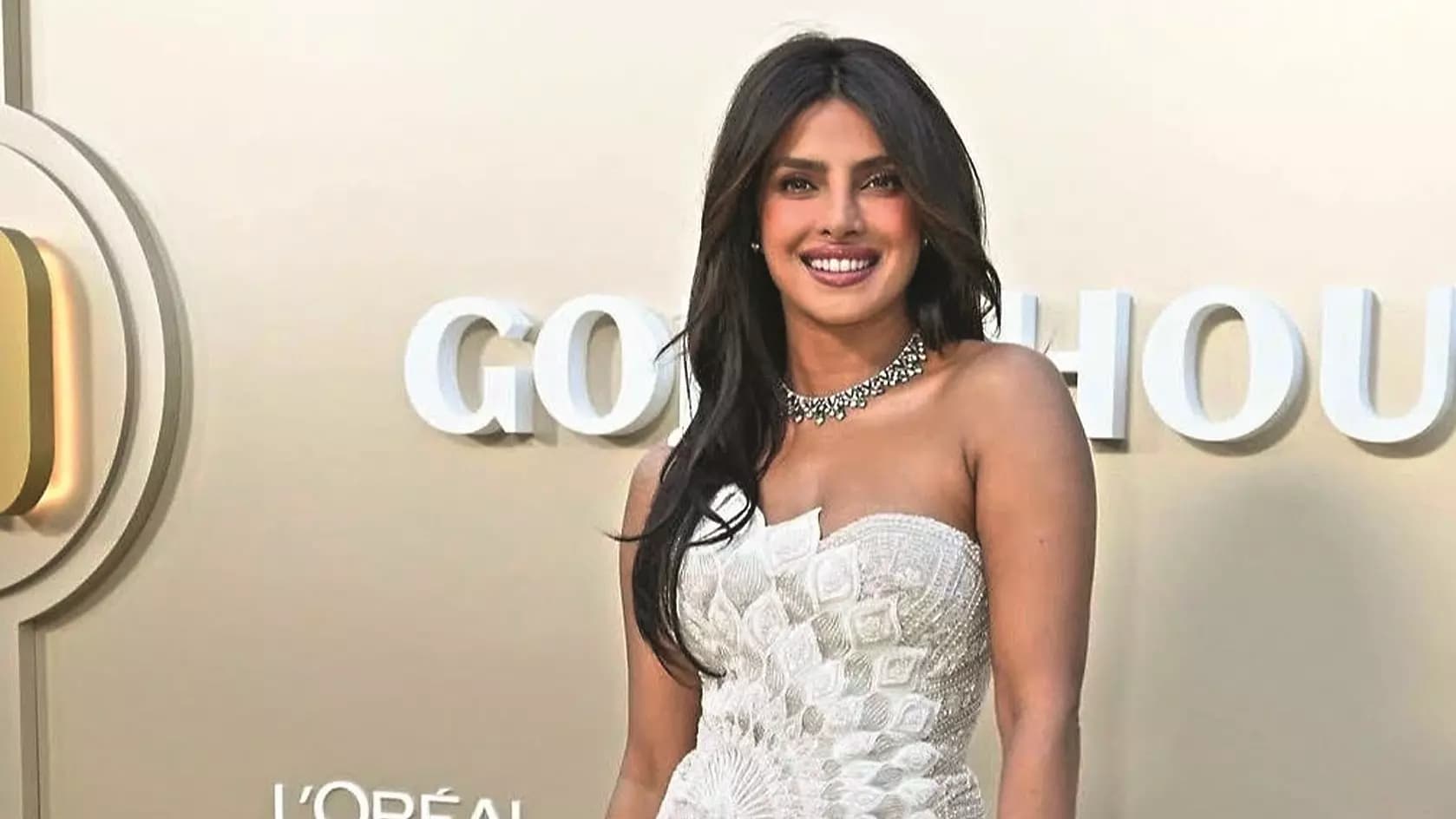
- •Rolex has appointed Priyanka Chopra Jonas as a global brand ambassador, signaling a shift in luxury marketing strategy.
- •The Indian luxury market is projected to reach $18-19 billion by 2034, drawing significant attention from global brands.
- •Celebrities like Deepika Padukone, Alia Bhatt, and Ananya Panday are increasingly shaping global luxury narratives.
- •Brands are moving beyond simple representation to build deep emotional connections with sophisticated Indian consumers across Tier 2 and 3 cities.
The rise of Indian faces of global luxury marks a significant transformation in international brand strategies. Recent moves, such as Rolex appointing Priyanka Chopra Jonas as a global brand ambassador, highlight how premier houses are recalibrating their approach to connect with emerging market dynamics and cultural capital. This transition signifies that India is no longer just a spectator but a central driver in the evolving world of luxury.
Shaping Global Luxury Narratives
Historically, iconic watchmakers and fashion houses aligned themselves primarily with figures from Western cinematic, sporting, and exploration backgrounds. The recent inclusion of Priyanka Chopra Jonas into the Rolex universe, alongside her ongoing role with Bvlgari, demonstrates a shift towards what industry experts describe as “borderless credibility.” She possesses the unique ability to influence audiences simultaneously in cities like Mumbai, Los Angeles, and Dubai.
This trend is not isolated. A broader rebalancing is evident across the industry, with stars like Deepika Padukone representing Louis Vuitton and Cartier, Alia Bhatt partnering with Gucci, and Ananya Panday recently joining Piaget as a global “Friend of the Maison.” These partnerships indicate that global brands are actively seeking personalities who can bridge cultural divides and resonate with diverse consumer bases.
Commercial Potential and Market Sophistication
The primary driver behind this shift is the explosive growth of the Indian luxury market. Currently valued at approximately $10–11 billion, the sector is projected to climb toward $18–19 billion by 2034. This expansion is supported by a rising population of high-net-worth individuals and a notable increase in luxury consumption beyond major metropolitan centers into Tier 2 and Tier 3 cities.
Brands are learning the nuanced vocabulary of the Indian market, which expertly blends traditional values with modern aspirations. The strategy involves more than just face value; it is about building deep emotional connections with a sophisticated demographic that understands heritage and luxury craft. By investing in prominent Indian figures, these global houses are establishing long-term relevance and integrating themselves into the unique cultural fabric of the nation. As the market continues to mature, Indian ambassadors will likely play an even more vital role in guiding the future direction of international luxury branding, proving that influence is defined by where a narrative resonates rather than where it originates.