India To Drive Next Phase Of Global Steel Demand: Lakshmi Mittal
ArcelorMittal Executive Chairman Lakshmi Mittal states that India will drive the next phase of global steel demand, supported by rapid urbanization and massive infrastructure projects. The industry continues to evolve, adapting to faster, more data-driven, and environmentally constrained global markets.
Highlights
- •Lakshmi Mittal identifies India as the primary engine for future global steel demand.
- •Growth is driven by massive Indian infrastructure, urban housing, and energy transition projects.
- •ArcelorMittal reflects on 20 years of resilience following the merger of Mittal Steel and Arcelor.
- •The modern steel industry must adapt to faster markets, data-driven processes, and environmental constraints.
India is poised to become the primary catalyst for the upcoming surge in global steel demand, according to recent insights from industrial leadership. As the international market shifts, significant infrastructure developments and rapid urbanization within the nation are expected to define the next era of growth for the steel sector.
The Future of Global Steel Demand
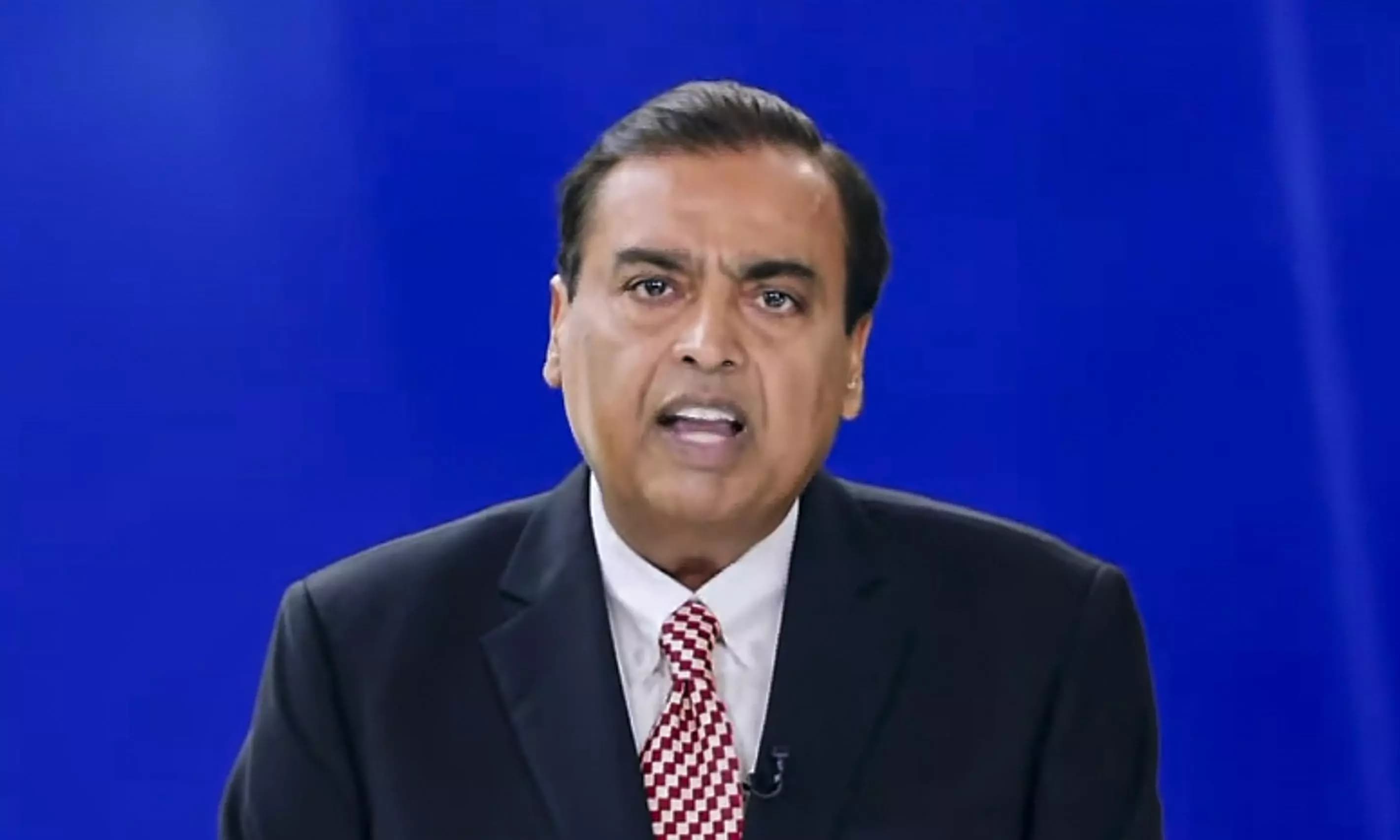
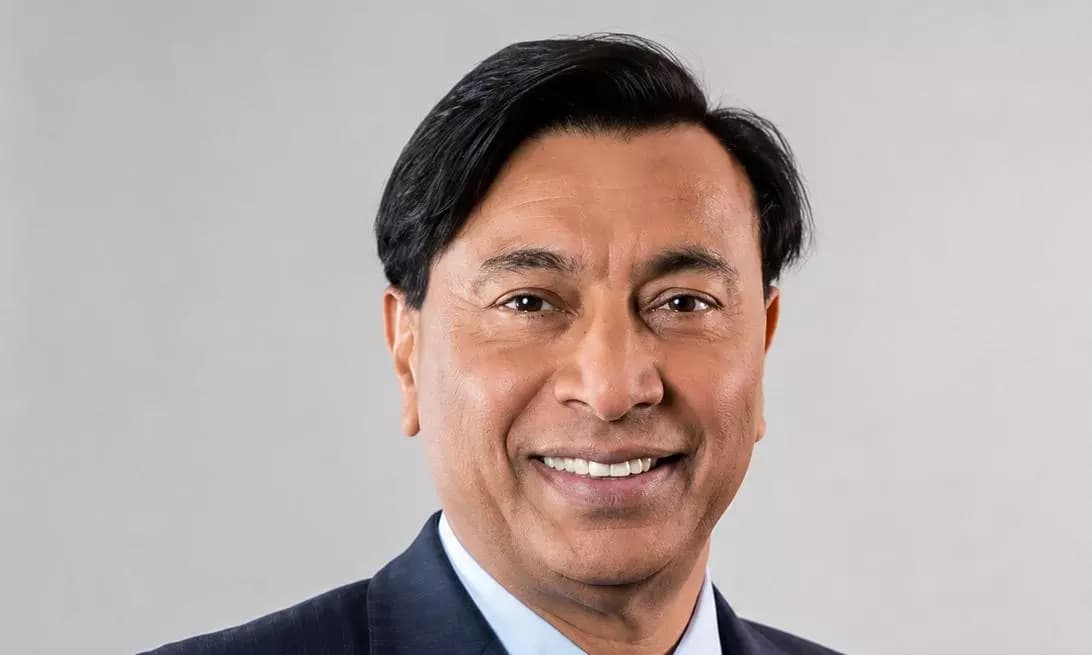
Lakshmi Mittal, the Executive Chairman of ArcelorMittal, emphasized this outlook during his address at the World Steel Dynamics annual forum held in New York in 2026. While the previous two decades were heavily influenced by China's remarkable industrial expansion, the current trajectory points toward a new chapter centered on the Indian subcontinent. The country's ambitious plans for massive infrastructure expansion, coupled with extensive urban housing projects and critical energy transition infrastructure, are identified as the key drivers for global steel demand.
Reflecting on the organization's history ahead of its 20th anniversary on July 31, 2026, Lakshmi Mittal highlighted the resilience gained through the merger of Mittal Steel and Arcelor. He noted that the combined entity successfully navigated numerous unpredictable global challenges, including the aftermath of the Global Financial Crisis and the profound disruptions caused by the COVID-19 pandemic. These experiences have fostered a more robust, diversified, and strategically sound business model capable of adapting to a complex global landscape.
Evolving Industrial Landscape
The operational environment in 2026 presents a stark contrast to that of 2006. Today’s industrial sector is characterized by faster market movements, heightened global competition, constant technological advancements, and the necessity to operate within stricter environmental constraints. Despite these complexities, Lakshmi Mittal expressed unwavering optimism regarding the future. He noted that even traditional sectors like steelmaking are now significantly more data-driven and dynamic than they were two decades ago.
Looking forward, the long-term prospects for the industry remain strong, supported not only by emerging markets like India but also by ongoing infrastructure renewal efforts in developed economies. The role of domestic industrial policy remains crucial in maintaining a competitive and stable steel industry globally. Having dedicated 50 years to the field, the ArcelorMittal leadership remains committed to navigating the challenges of this faster, more intricate operating world to capitalize on the sustained need for high-quality steel production.