How Wall Street is Driving Electric Utility Consolidation and Profits
The U.S. energy sector is undergoing major consolidation, highlighted by NextEra Energy's $66.8 billion deal to acquire Dominion Energy. Driven by AI data center power needs and investor demands, utility companies are focusing on infrastructure investment and regulatory influence to maximize profits.
Highlights
- •NextEra Energy to acquire Dominion Energy for US$66.8 billion to create the largest regulated electric utility in the U.S.
- •Rising electricity demand from artificial intelligence data centers is a key driver for industry consolidation.
- •Private utility companies focus on infrastructure investment to secure guaranteed profit margins, often around 10%.
- •Market consolidation and aggressive regulatory lobbying are central strategies for enhancing shareholder value in the utility sector.
The energy sector in the United States is currently experiencing a significant shift as electric utilities prioritize consolidation and profit, driven largely by the surging power requirements of artificial intelligence data centers. A major development in this trend occurred on May 18, 2026, when NextEra Energy announced a definitive agreement to acquire Dominion Energy in a transaction valued at US$66.8 billion. This massive merger is designed to create the largest regulated electric utility business in the country, signaling a broader strategy among energy providers to expand their scale and influence.
Strategic Drivers of Utility Consolidation
While the industry often cites customer service as a priority, market analysts point to the strategic maneuvering of Wall Street investors as a primary catalyst for these corporate actions. Unlike municipal utilities or member-owned cooperatives, which primarily focus on affordable and reliable power for their communities, large private holding companies are fundamentally motivated by shareholder returns. In regions across the U.S., these entities are actively restructuring to capture financial growth opportunities.
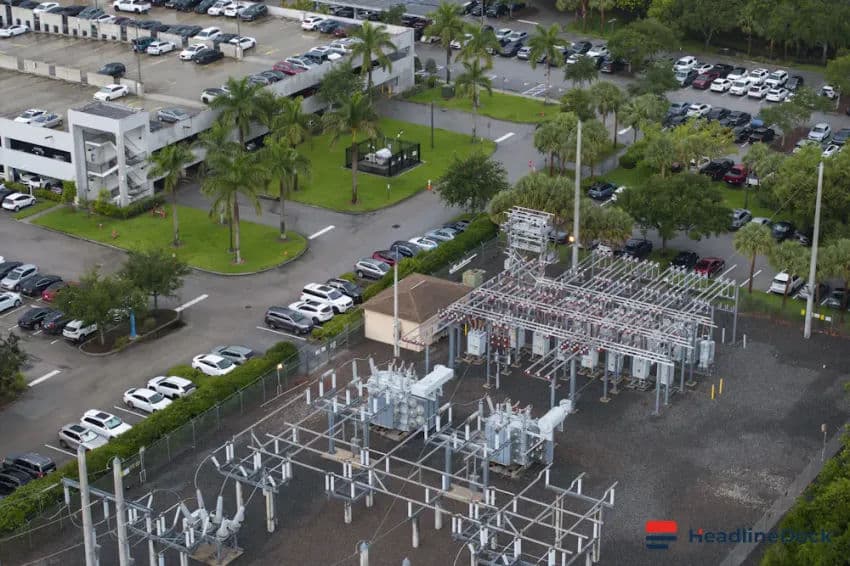
Profit generation for these private electric utilities typically follows specific models. In regulated markets, companies earn profits by investing in infrastructure such as power lines, substations, and generation facilities. Regulators often allow these firms to recover these costs plus a set margin—frequently around 10%—through consumer electricity bills. Consequently, utilities are incentivized to forecast high demand, which justifies expensive capital projects even if future loads do not meet those projections.
Market Expansion and Regulatory Control
The industry is also evolving through participation in deregulated markets, where profit margins are not strictly capped but involve greater volatility and financial risk. Companies like NextEra Energy have sought to mitigate these risks by diversifying their portfolios, such as investing heavily in large-scale renewable energy projects. These ventures allow firms to provide energy into high-demand areas while securing long-term contracts that mirror the stability of regulated returns.
Furthermore, the ability to navigate the regulatory landscape remains a cornerstone of corporate strategy. Success for these large holding companies depends on securing approvals for rate increases and influencing policies that protect or enhance their profit margins. As demand for electricity continues to rise, particularly with the proliferation of AI infrastructure, the trend toward consolidation is expected to continue. Large utilities are positioning themselves to dominate these growing energy needs, effectively leveraging their increased size and lobbying power to maximize financial performance for investors. Whether these large-scale mergers ultimately benefit residential customers remains a subject of ongoing debate within the industry.