India-Pakistan Women's Cricket Handshake Controversy Highlights Deep Geopolitical Tensions
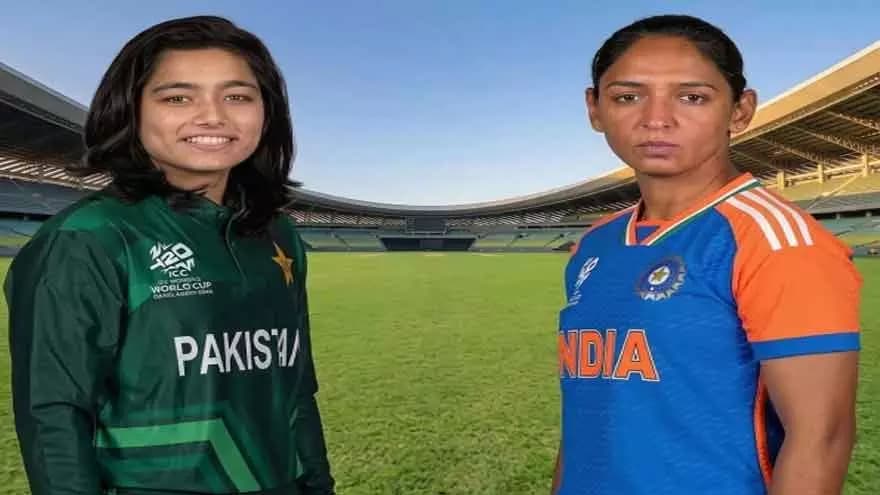
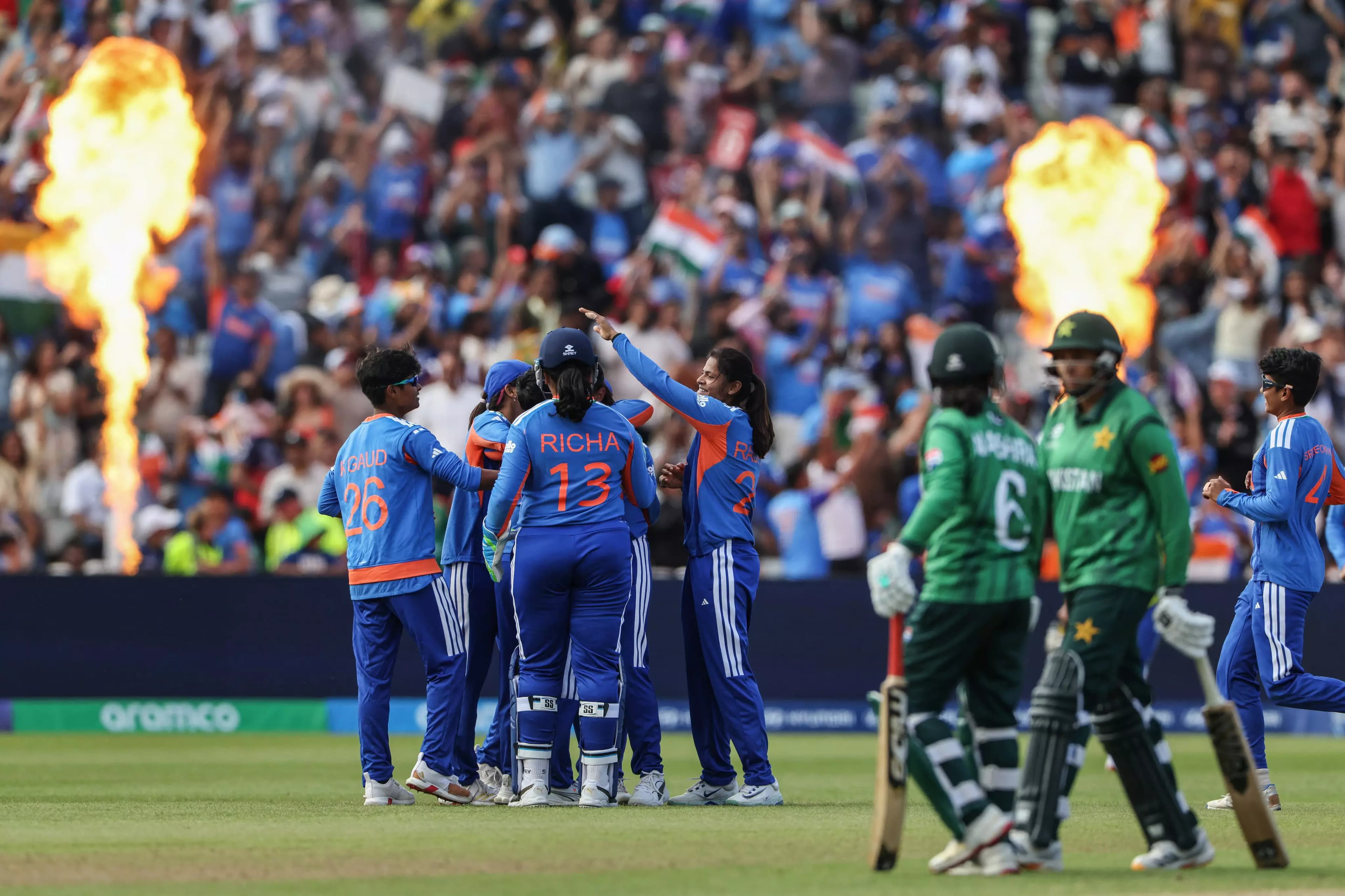
The India and Pakistan women's cricket teams refrained from traditional handshakes during the ICC Women’s T20 World Cup. The event has sparked debate over whether sporting etiquette should remain isolated from the complex geopolitical tensions defining the India-Pakistan rivalry.
Highlights
- •The India and Pakistan women's cricket teams skipped traditional handshakes at the ICC Women’s T20 World Cup.
- •The gesture reflects complex, long-standing geopolitical tensions affecting the India-Pakistan cricket rivalry.
- •Former cricket figures offer divided opinions, with some emphasizing the quality of play over symbolic rituals.
- •The incident highlights how national sentiment continues to influence professional sporting etiquette in South Asia.
The ICC Women’s T20 World Cup recently became the backdrop for a significant moment that transcended sports, as the teams from India and Pakistan chose not to engage in the traditional pre-match and post-match handshakes. This departure from standard sporting etiquette has ignited a broader discussion regarding the intersection of international politics and the India-Pakistan cricket rivalry.
Symbolism and Sporting Tradition
In the world of cricket, the ritual of the handshake is widely regarded as a fundamental expression of the spirit of the game, symbolizing mutual respect and sportsmanship between competitors. The decision by the captains and players to bypass this custom on a global platform like the World Cup was highly noticeable. This shift reflects the ongoing and complex geopolitical tensions that have long influenced the sporting relations between these two neighboring nations.
Observers have noted that the Board of Control for Cricket in India (BCCI) has, in recent years, informally steered clear of encouraging overt gestures of goodwill between the two countries. By opting out of the handshake, the women's national team appears to have aligned itself with the broader stance maintained by their male counterparts, reflecting national sentiments rather than merely adhering to conventional athletic traditions.
Perspectives on the Field
The cricketing fraternity remains divided on whether political issues should influence on-field behavior. While some former prominent figures in Indian cricket have opted not to weigh in on the matter, others advocate for a pragmatic focus. Purnima Rau, a former coach, suggested that maintaining the spirit of the game during competition remains paramount, noting that the focus should stay on the quality of play itself. Similarly, former cricketer Nilima Joglekar (Barve) emphasized that the primary focus should be the match, suggesting that customary rituals are secondary to the players' performance and adherence to the rules of cricket.
The ongoing India-Pakistan cricket controversy highlights how profoundly national identity and political history remain intertwined with sporting events in South Asia. Supporters of the players' decision argue that high-level sports cannot be completely isolated from geopolitical realities. Conversely, critics express concern that the loss of these traditional bridges diminishes the role of athletics in fostering international dialogue. Despite these varied opinions, the incident underscores the intense scrutiny placed on the India-Pakistan cricket dynamic, where even small gestures are interpreted through a lens of history and national pride. Ultimately, the debate continues to revolve around whether cricket can serve as an independent arena for cooperation or if it must inevitably reflect the deeper divisions present within the regional political landscape.