ICC Trial of Pink Balls in Day Tests Met With Enthusiasm by Indian Coach Gambhir
Gautam Gambhir, India's head coach, has welcomed ICC's pink ball trial in Test matches, particularly as it benefits eastern parts of India with earlier sunsets. The move seeks to maximize play time despite bad light conditions, ensuring teams have more chances for qualification and results.
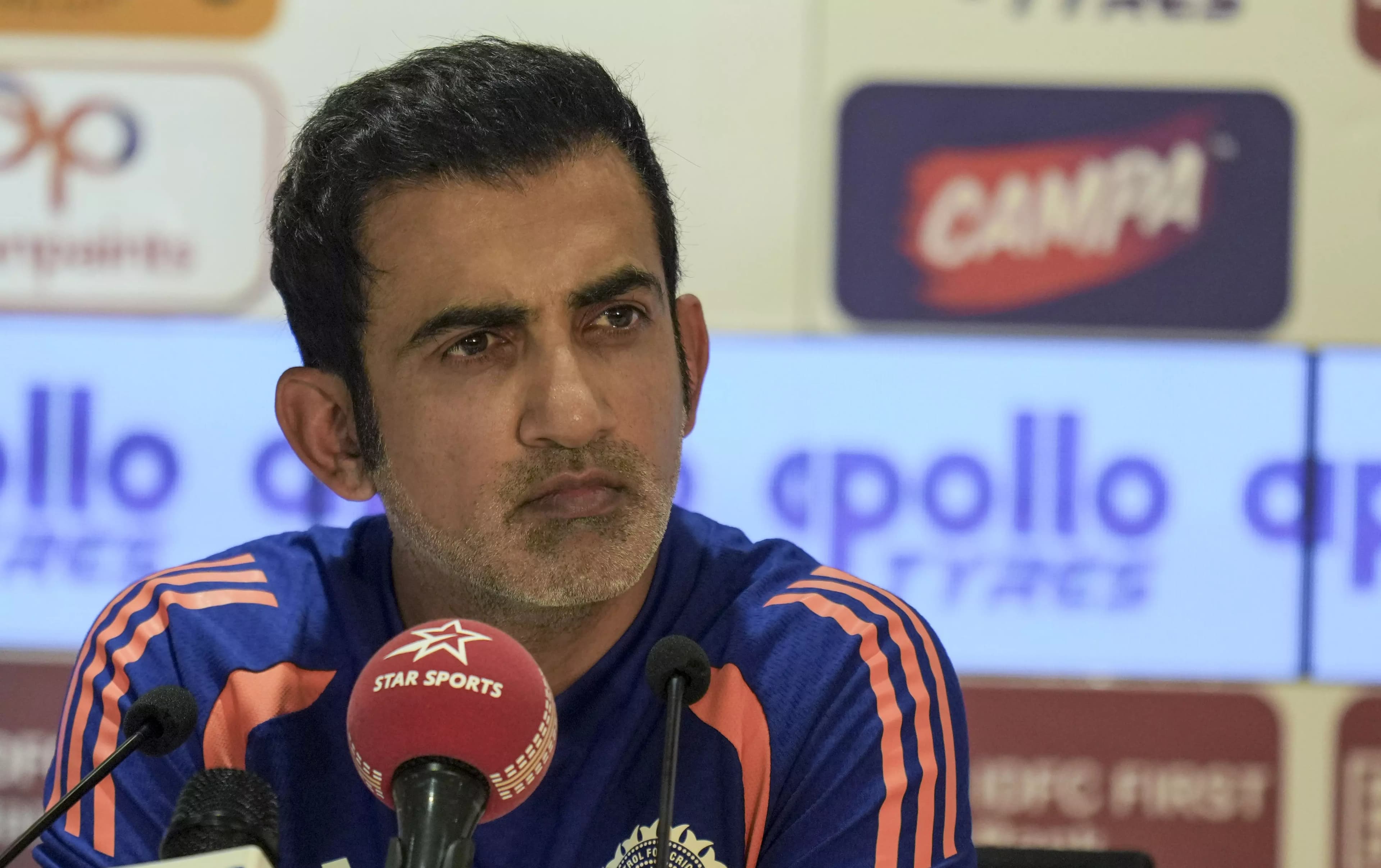
Highlights
- •Gautam Gambhir supports the decision to use pink balls during day Tests
- •The trial starts in October 2023
- •Sunset times in eastern India like Guwahati and Ranchi pose logistical challenges
- •Teams must agree on using floodlights and changing to pink balls for better play time
Gautam Gambhir, the head coach of India's national cricket team, has endorsed a new ICC trial allowing the use of pink balls in day Test matches. This move aims to maximize play during anticipated bad light conditions and provide teams with more opportunities to secure results. Gambhir's support is particularly driven by upcoming Test series, including the Border-Gavaskar Trophy, scheduled for February-March where the setting sun poses a significant challenge.
The Impact of Sunsets in Eastern India
The decision comes into effect from October 1. Gambhir highlighted that the pink ball trial is necessary as sunset times in eastern parts of India, such as Guwahati and Ranchi, typically occur around 4 pm, leading to a loss of valuable overs. He believes that if teams have an opportunity to secure results during these matches, they should take it. The change could especially benefit teams on the brink of qualification for major tournaments like the World Test Championship (WTC).
Gambhir acknowledged that players might struggle initially with a transition from red balls to pink ones within the same game but emphasized that flexibility is key in high-stakes matches.
Ensuring Fair Play and Flexibility
If the light deteriorates or match schedules are disrupted due to weather conditions, teams will be able to adapt by using floodlights and switching to pink balls, providing an opportunity to complete the match. Gambhir stressed that both teams must agree on these changes, ensuring fairness and consistency.
The coach elaborated that allowing this flexibility can make a significant difference in crucial matches where results could determine qualification for major tournaments. He also noted the potential downsides of playing fewer days due to bad weather but believed that such changes are progressive and beneficial overall.