How Do Beta Blocker Heart Drugs Actually Work for Anxiety?
Beta blockers are frequently used to manage the physical symptoms of stress by blocking adrenaline. While they help with performance anxiety, they are not a long-term treatment for generalized anxiety and carry risks, requiring professional medical guidance for safe use.
Highlights
- •Beta blockers manage anxiety by blocking adrenaline's physical effects, like racing heart and tremors.
- •They are not 'chill pills' and do not address the root psychological causes of anxiety.
- •Side effects include dizziness, fatigue, cold extremities, and potential sleep disturbances.
- •Abruptly stopping these medications can cause dangerous heart palpitations and blood pressure spikes.
Recent discussions surrounding the use of beta blockers for anxiety have sparked significant interest and public debate. While these medications are widely recognized for their role in managing heart-related conditions, their application in addressing anxiety symptoms has become a topic of increasing conversation, particularly following public claims by high-profile figures regarding their effects on emotional regulation.
Understanding How Beta Blockers for Anxiety Function
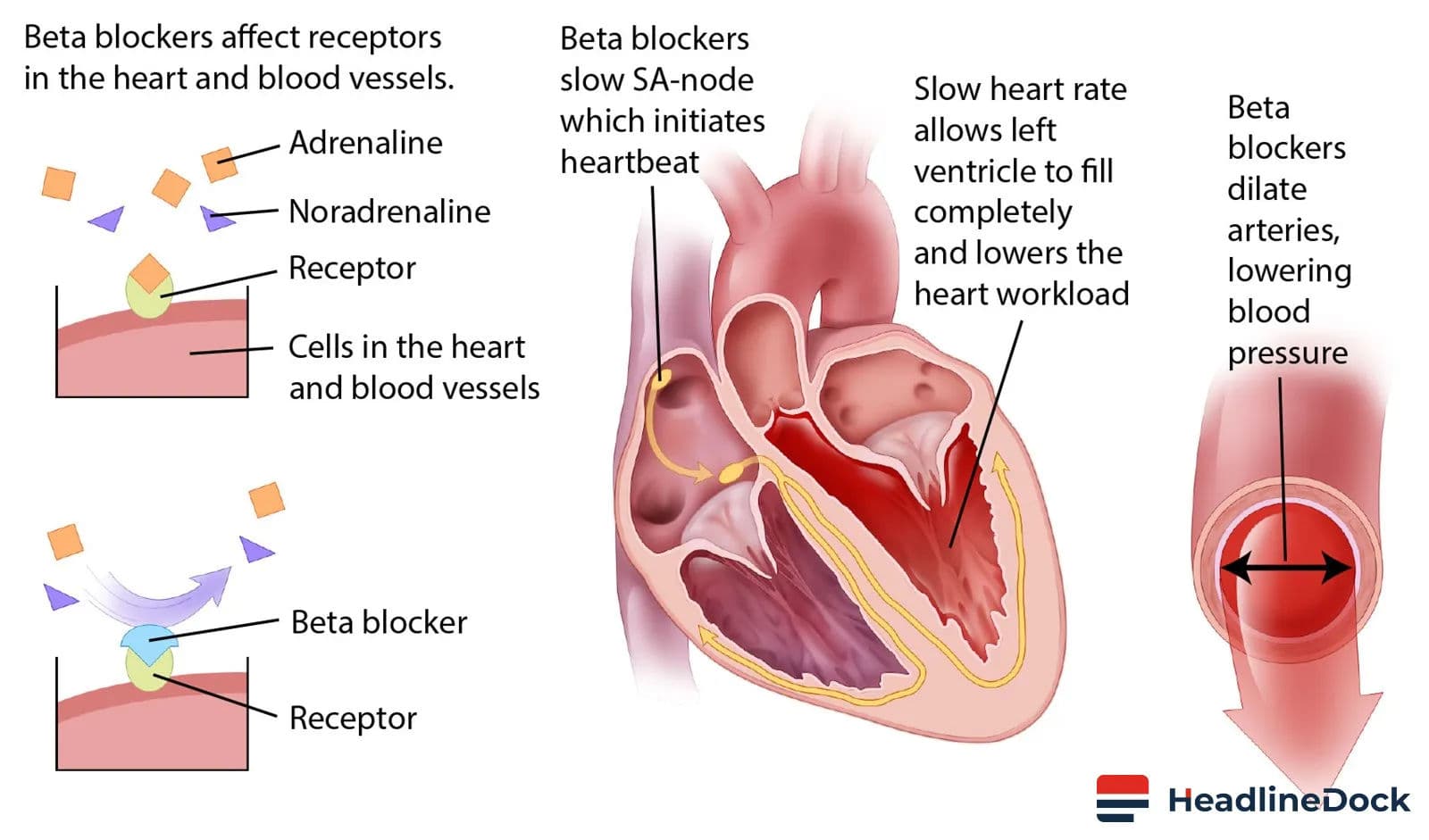
At their core, beta blockers are a class of pharmaceuticals primarily designed to counteract the body’s physiological "fight-or-flight" response. By inhibiting the action of adrenaline, these drugs effectively lower heart rate and reduce physical manifestations of stress, such as trembling, palpitations, and excessive sweating. Because these symptoms often exacerbate feelings of panic, individuals in high-pressure environments—such as public speakers or performers—sometimes utilize these medications to maintain outward composure during specific, one-off events.
It is crucial to distinguish between beta blockers for anxiety and traditional psychiatric medications like SSRIs. While antidepressants and related therapies are intended to treat the underlying psychological feeling of anxiety over the long term, beta blockers do not alter one’s emotional state or cognitive thought patterns. They act strictly on the physical symptoms triggered by the stress response, making them unsuitable for chronic or generalized anxiety management.
Important Considerations and Risks
Patients considering beta blockers for anxiety must remain aware of potential side effects, which are typically associated with their impact on blood pressure. Common adverse reactions include lightheadedness, dizziness, persistent fatigue, and physical sensations like cold hands or feet. Furthermore, some users have reported sleep disturbances, including insomnia and vivid nightmares.
Medical professionals emphasize that individuals currently prescribed these medications should never discontinue their use abruptly. Stopping daily beta blockers without medical supervision can lead to a dangerous rebound effect, characterized by sudden spikes in blood pressure and irregular heart palpitations. Given these risks, they should only be used under the guidance of a physician who can determine if they are the appropriate choice for a patient's specific health needs.
For those managing ongoing or general anxiety, other evidence-based approaches—such as cognitive behavioural therapy or standard anxiety-reducing medications—often prove more effective and safer. If you are exploring options for managing acute stress or anxiety, it is essential to have an open discussion with your healthcare provider to weigh the benefits against the potential health implications.