Former Kerala Minister Alleges Corruption Over Proposed Alcohol Tax Cut Policy
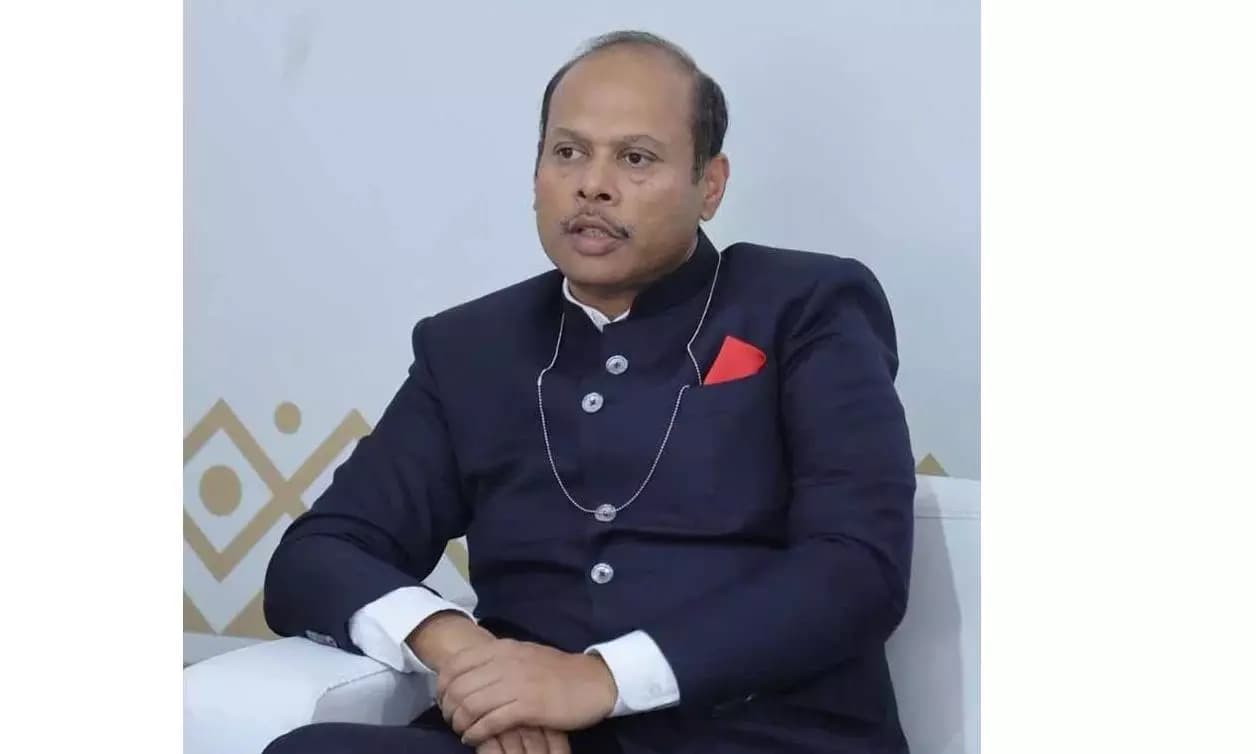
Former Kerala excise minister MB Rajesh has leveled allegations of corruption against the UDF government regarding a proposed tax cut on low-alcohol beverages. He claims the policy shift favors corporate liquor companies and could lead to a significant revenue loss for the state.

Highlights
- •Former excise minister MB Rajesh has alleged corruption regarding a proposed alcohol tax cut in Kerala.
- •The government plans to reduce sales tax on low-alcohol beverages across two new, lower slabs.
- •Critics argue the policy change will primarily benefit corporate liquor companies and increase alcohol accessibility.
- •Rajesh estimates the tax reduction could result in a revenue loss of approximately Rs 600 crore to the state.
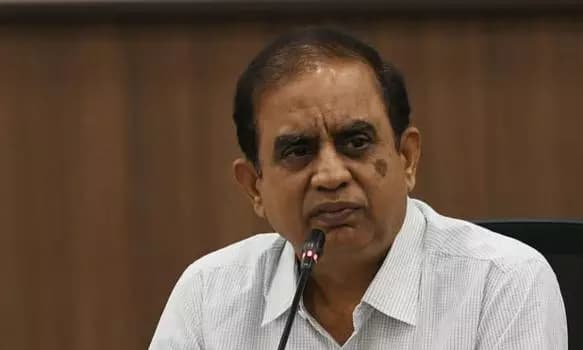
A significant controversy has emerged in Kerala following allegations of alcohol tax cut corruption made by the former state excise minister, MB Rajesh. During a recent press conference held in Palakkad, Rajesh voiced strong criticism regarding a budget proposal introduced by the UDF government. He argued that the suggested reduction in taxes on low-alcohol beverages is designed to benefit corporate liquor entities rather than the public interest.
Allegations of Policy Manipulation
The core of the dispute centers on the government’s plan to modify the tax structure for low-alcohol products. MB Rajesh expressed concerns that this alcohol tax cut corruption initiative would lead to the widespread availability of beverages that can be consumed as easily as soft drinks. He specifically noted that such products would become readily accessible through existing Bevco outlets, potentially increasing consumption across the state. According to his claims, the move could result in a substantial revenue loss for the state treasury, estimated at approximately Rs 600 crore.
Furthermore, Rajesh suggested that the proposal was influenced by a Karnataka-based liquor lobby. He directly challenged opposition figures to clarify the financial implications of the policy, questioning how much money might have been exchanged in connection with this decision. The former minister emphasized that the UDF administration must provide a transparent explanation regarding the rationale behind granting these specific tax concessions.
Policy Discrepancies and Economic Impact
Contrasting the current situation with the previous LDF government's approach, Rajesh highlighted that earlier policies allowed for the production of low-alcohol beverages derived from fruits and vegetables. That initiative was specifically intended to support the local farming sector and create new markets for agricultural produce, with these items taxed similarly to wine. He argued that the current proposal differs significantly by allowing the manufacture of such beverages using spirit, rendering them more commercially lucrative for private corporations.
The ongoing debate highlights the complex intersection of industry policy and public health concerns in Kerala. The UDF government’s proposal includes moving from a flat 251% sales tax rate to two new brackets: 120% for beverages containing 0.5% to 10% alcohol, and 175% for those containing 10% to 20% alcohol. This adjustment encompasses the majority of beer and wine varieties available in the market. The accusations of alcohol tax cut corruption continue to fuel intense political discussion as the government seeks to implement these broader revenue and industry-related policy changes.