Evidence of Medieval Graffiti: Did People Tag Walls in the Middle Ages?
Evidence shows that graffiti was not merely a modern phenomenon but a routine practice during the Middle Ages. From religious symbols to protective amulets, historical sites reveal that individuals frequently used walls and altars to leave lasting personal and spiritual marks.

The concept of medieval graffiti challenges the modern perception that street art is a recent phenomenon confined to spray paint and contemporary urban landscapes. While the Italian term graffiti is now inextricably linked with artists such as Jean-Michel Basquiat, Keith Haring, or the elusive Banksy, the practice of leaving unsolicited marks on public and private structures has existed for millennia. Historians have found extensive evidence that marking surfaces was a routine part of daily life during the Middle Ages.
Understanding Medieval Graffiti and Artistic Expressions
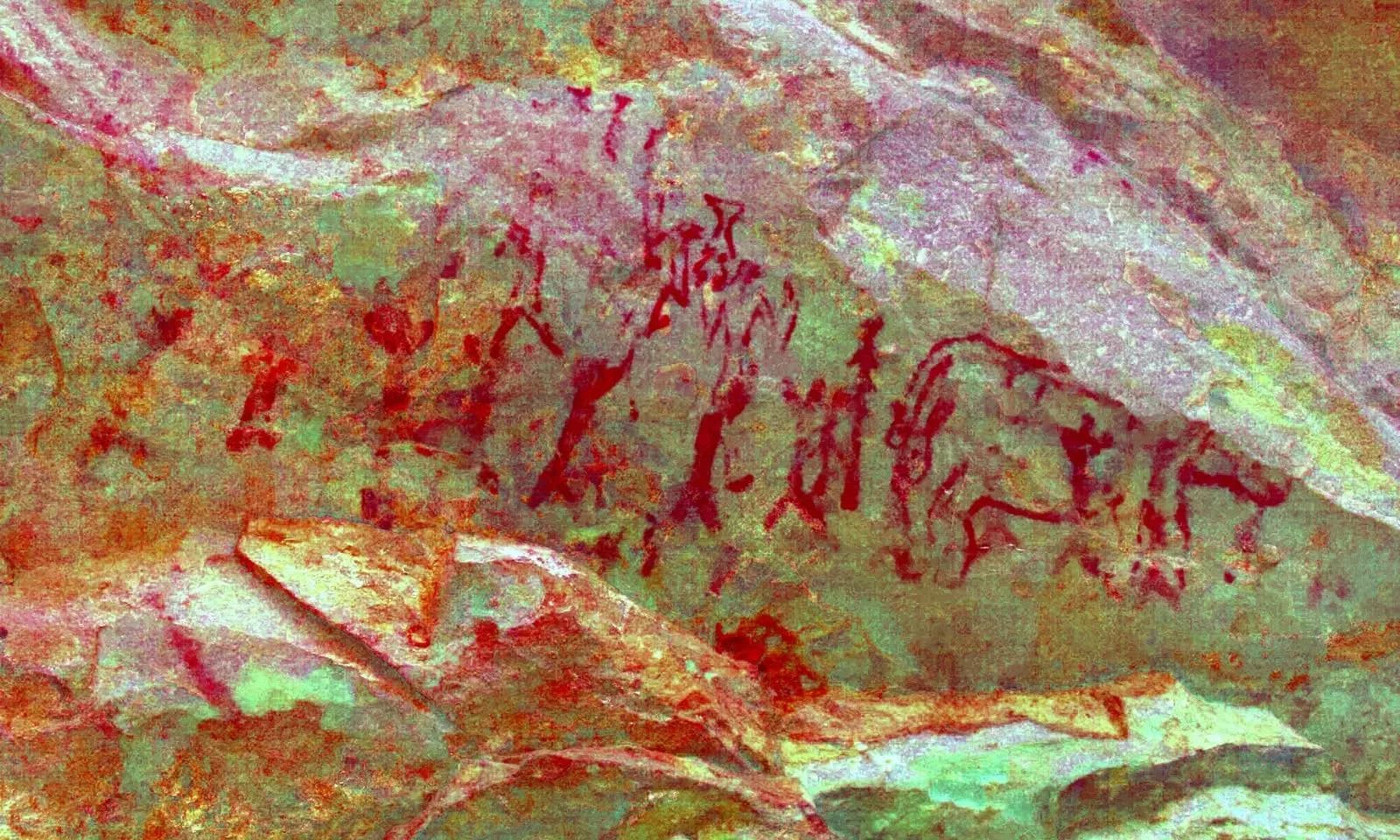
Long before the advent of aerosol, human beings used natural pigments, charcoal, ink, and metal tools to etch messages into their surroundings. From Paleolithic cave drawings to the explicit political and sexual messages found in Roman Pompeii, the urge to leave a personal mark is deeply embedded in history. During the nearly thousand-year span of the Middle Ages, this tradition continued within castles, monasteries, and necropolises, documenting the lives of those who inhabited these spaces.
One of the most prevalent forms of medieval graffiti was the cross. As a primary emblem of the Christian faith, these symbols appeared frequently in religious settings. At the church of Santa María in Quintanilla de las Viñas in Burgos, over twenty crosses were etched into the exterior walls to sanctify surrounding burial sites. Furthermore, crosses were often carved into altar stones. In portable altars, such as the one from the Hermitage of Saints Centola and Elena of Siero now held in the Museum of Burgos, an incised cross fulfilled a practical liturgical function, allowing for the celebration of mass without needing a separate physical cross.
Authorship and Symbolism in Religious Spaces
While the authors of most markings remain anonymous, some evidence suggests that monks were active contributors. For instance, the choir walls of the Church of Santiago de Peñalba in León feature various incised figures, including lions, hunting scenes, and human forms dressed as bishops. Similarly, at the Monastery of San Miguel de Escalada, the names of two monks, Monioni and Fructuoso, were etched onto an interior arch, likely placed during the church's initial construction or via scaffolding.
Beyond artistic expression, some markings served a protective purpose. Medieval society was fraught with uncertainty, leading individuals to use symbols like five-pointed stars or Solomon’s knots as amulets. These protective marks, found on the door stones of the Church of San Pedro de Tejada, were meant to safeguard those who entered. Far from being viewed as vandalism, these markings were an accepted habit of the population, demonstrating that medieval graffiti was a natural, integrated element of the era's architecture and social history.