Who Was the First Transgender Person? A Historical Perspective on Gender Identity
While the first transgender person in history cannot be identified, evidence shows that gender non-conformity has existed since the dawn of civilization. Archaeological and historical records consistently reveal individuals who crossed traditional gender boundaries across global societies.
Highlights
- •The concept of transgender individuals has existed across diverse cultures throughout human history.
- •Ancient societies interpreted gender through various lenses, including legal, social, and philosophical frameworks.
- •Archaeological findings from 7,000-year-old Stone Age burials in Hungary show clear evidence of individuals crossing binary gender boundaries.
- •There is no single 'first' transgender person because gender diversity has been a constant element of the human experience.
The quest to identify the first transgender person in human history is a complex endeavor that highlights the evolution of gender identity and social categorization. While modern terminology defines being transgender as individuals whose gender identity differs from the sex they were assigned at birth, historians note that the concept of individuals crossing gender boundaries has existed across nearly every civilization throughout time.
Historical Perspectives on Gender Identity
In antiquity, societal understanding of gender varied significantly from contemporary views. Before the scientific discovery of hormones in 1849 and DNA in 1869, gender was often interpreted through different lenses, including legal privileges, social roles, and philosophical theories. Philosophers like Aristotle categorized individuals based on physical attributes, while others analyzed gender roles through the lens of legal rights and duties.
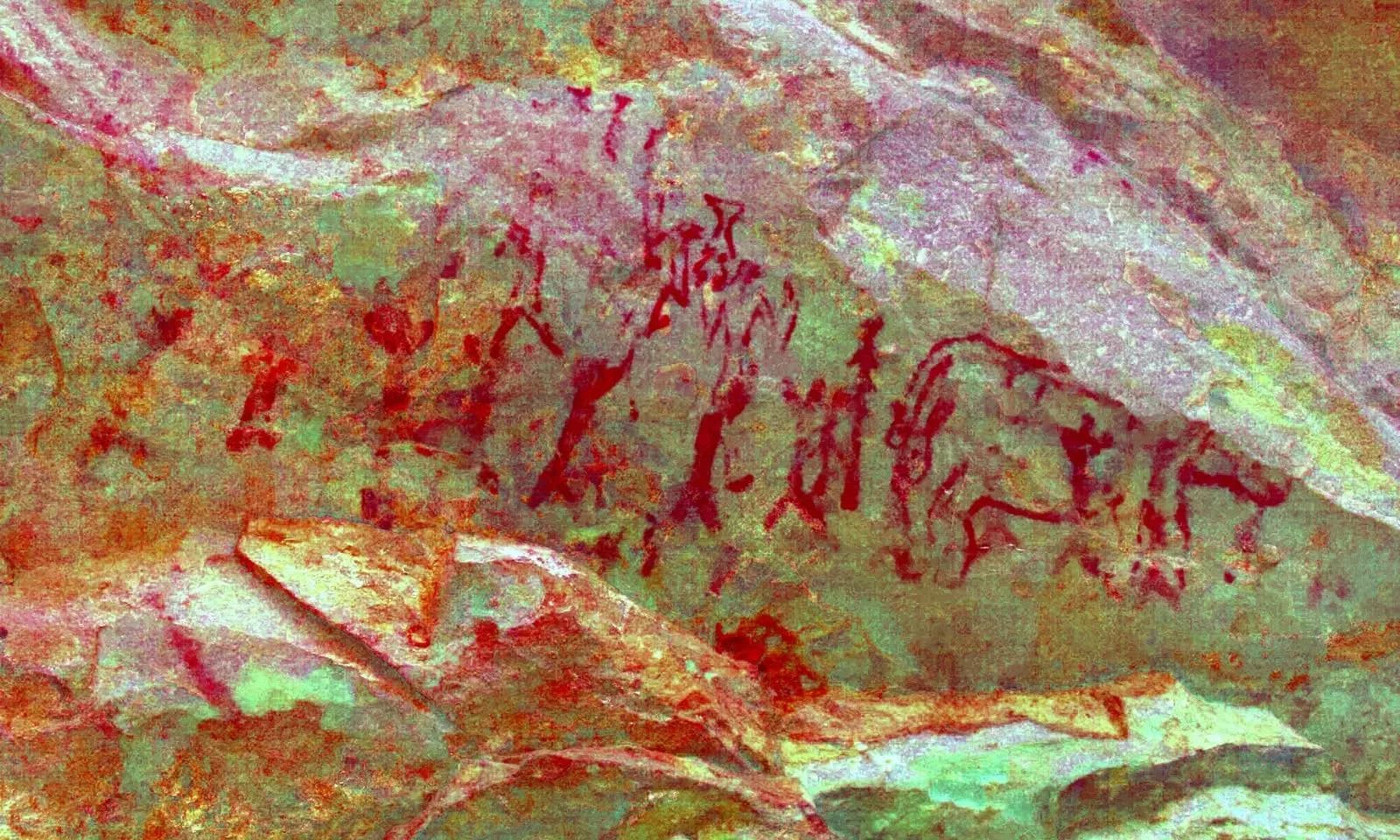
Evidence of individuals challenging traditional gender roles appears throughout history. For instance, in the fifth century B.C.E., ancient writers such as Herodotus and Hippocrates documented the Anarieis of Scythia, a group whose gender roles mirror modern descriptions of transgender women. Similar patterns of gender fluidity are noted in diverse cultures, ranging from ancient Egypt—where the pharaoh Hatshepsut was depicted with traditional masculine symbols of authority—to Imperial China and Mesoamerican societies.
Insights from Archaeological Discoveries
Archaeological evidence further underscores the presence of gender non-conformity in the distant past. A study published in March 2026 examined 125 burials from a Stone Age civilization in modern-day Hungary. By utilizing DNA analysis and skeletal examination, researchers identified individuals whose lives and burial customs did not align with the gender assigned to them based on their biology.
One specific grave contained a skeleton assigned female at birth, yet the individual was interred with stone tools typically associated with male burials and displayed physical stress patterns common to the male labor force of that era. This suggests that 7,000 years ago, individuals were already adopting roles that transcended binary gender norms. While modern researchers cannot definitively state how such individuals self-identified, these findings illustrate that the existence of people who cross established gender boundaries is a recurring theme in human history.
Ultimately, the search for the absolute first transgender person is an impossible task, as gender diversity has been a consistent aspect of human civilization. Throughout history, these individuals have been an integral part of their communities, demonstrating that the human experience has always included a broad spectrum of gender identities beyond simple binary labels.