Electric Cars in 2026: Tata Motors, Hyundai & More Drive Forward into the Future
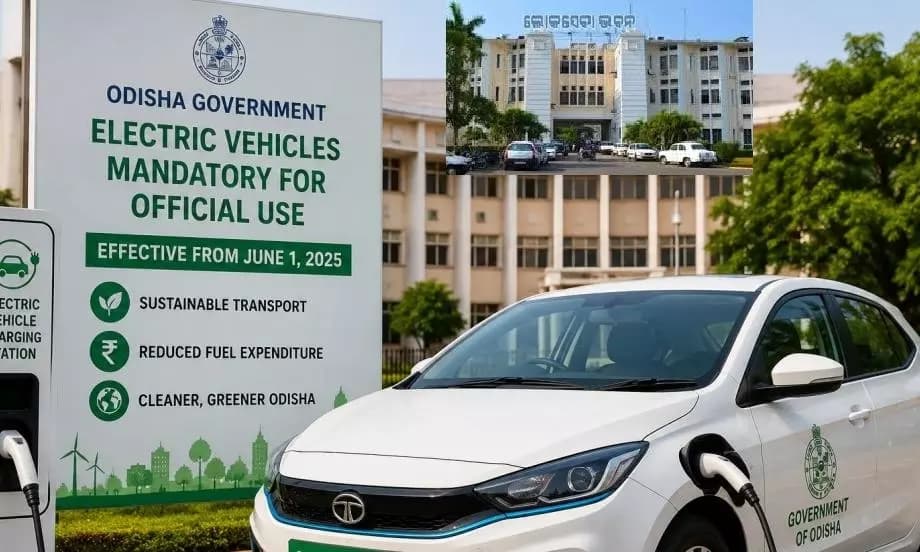
The future of driving is electric as Tata Motors, Hyundai, Toyota, and others are gearing up to launch their latest electric car models in India by 2026. With impressive range and cutting-edge features, these vehicles are set to transform the market.
Highlights
- •- Tata Motors to remake its iconic Sierra SUV as an EV with powerful battery options
- •- Hyundai Creta EV excels with advanced features and a competitive price point
- •- Honda's 0 Alpha is being developed for late 2026 or early 2027 launch
- •- Toyota Urban Cruiser Ebella targets safety-conscious buyers with Level 2 ADAS
The electric vehicle (EV) revolution continues to gain momentum in India as leading automakers gear up for a major transition. The Indian auto sector is witnessing an unprecedented shift towards electric mobility, driven by the desire to alleviate rising fuel costs and support environmental sustainability.
Tata Motors Revamps Sierra EV
In 2026, Tata Motors plans to launch its reincarnated Sierra EV, a premium SUV with enhanced technology. Expected in May 2026, this all-electric version of the classic Sierra will sport a more modern five-door design and a striking glass rear window. The new model will feature two battery options: a 55kWh pack offering a range of around 400-450 km and a larger 65kWh pack that should extend that range by another 50 km. With an estimated price range of between ₹20 lakh to ₹25 lakh, the Sierra EV aims to challenge other high-end SUVs in the market.
Hyundai Creta Ev Dominates Electric Segment
Hyundai has announced that its popular Creta model will soon join India's electric fleet as a fully-electric variant. The Creta EV is set to hit Indian roads with two battery options: 45kWh and 51.4kWh, delivering ranges of 420 km and 510 km respectively. These impressive figures make it competitive against the Tata Nexon EV in both performance and pricing, starting at around ₹18 lakh and going up to ₹24 lakh. Inside, the Creta EV features modern amenities such as twin 10.25-inch screens and ventilated seats, enhancing both comfort and connectivity.
Honda's Revolutionary 0 Alpha
Honda is preparing to unleash its first all-electric SUV, the 0 Alpha, which could launch late in 2026 or early 2027. Built on Honda's global 0 Series platform, this SUV promises a long-range option with a battery capacity ranging from 65kWh to 75kWh, providing an estimated range of 480 km per charge. The 0 Alpha offers Level 2 Advanced Driver-Assistance Systems (ADAS) and is designed to challenge established EV manufacturers like Maruti Suzuki in the Indian market.
Toyota's Urban Cruiser Ebella
Taking steps towards an all-electric future, Toyota unveils its upcoming Electric Urban Cruiser Ebella. Set for a launch in April 2026, this impressive SUV will come with two battery options: 49kWh and 61kWh packs, estimated to provide a real-world range of approximately 543 km (based on ARAI certification). The Ebella features Toyota's iconic hammerhead front design and is equipped with advanced safety measures including Level 2 ADAS and seven airbags. With a starting price around ₹20 lakh, this new model aims to appeal to safety-conscious families.
These exciting developments mark a significant shift in India's automotive industry as traditional players like Tata Motors, Honda, Toyota, Mahindra, Skoda, and Kia all prepare to launch innovative electric vehicles. These EVs promise not only green alternatives but also advanced technology that could change how Indians drive in 2026.