Ebola Pioneer Jean-Jacques Muyembe Continues Leading Front-Line Fight at Age 84
At 84, Dr. Jean-Jacques Muyembe, who helped identify the Ebola virus in 1976, continues to lead the response against the latest outbreak in the Democratic Republic of Congo, emphasizing the importance of public health measures and advancements in medical research.
Highlights
- •Dr. Jean-Jacques Muyembe, aged 84, continues to lead the fight against the 17th Ebola outbreak in the DRC.
- •The virologist played a key role in identifying the Ebola virus during the initial 1976 outbreak in Yambuku.
- •Muyembe pioneered blood transfusion research that led to the development of the first approved Ebola treatment, Ebanga.
- •He highlights that climate change and deforestation are increasing the risk of zoonotic diseases in the region.
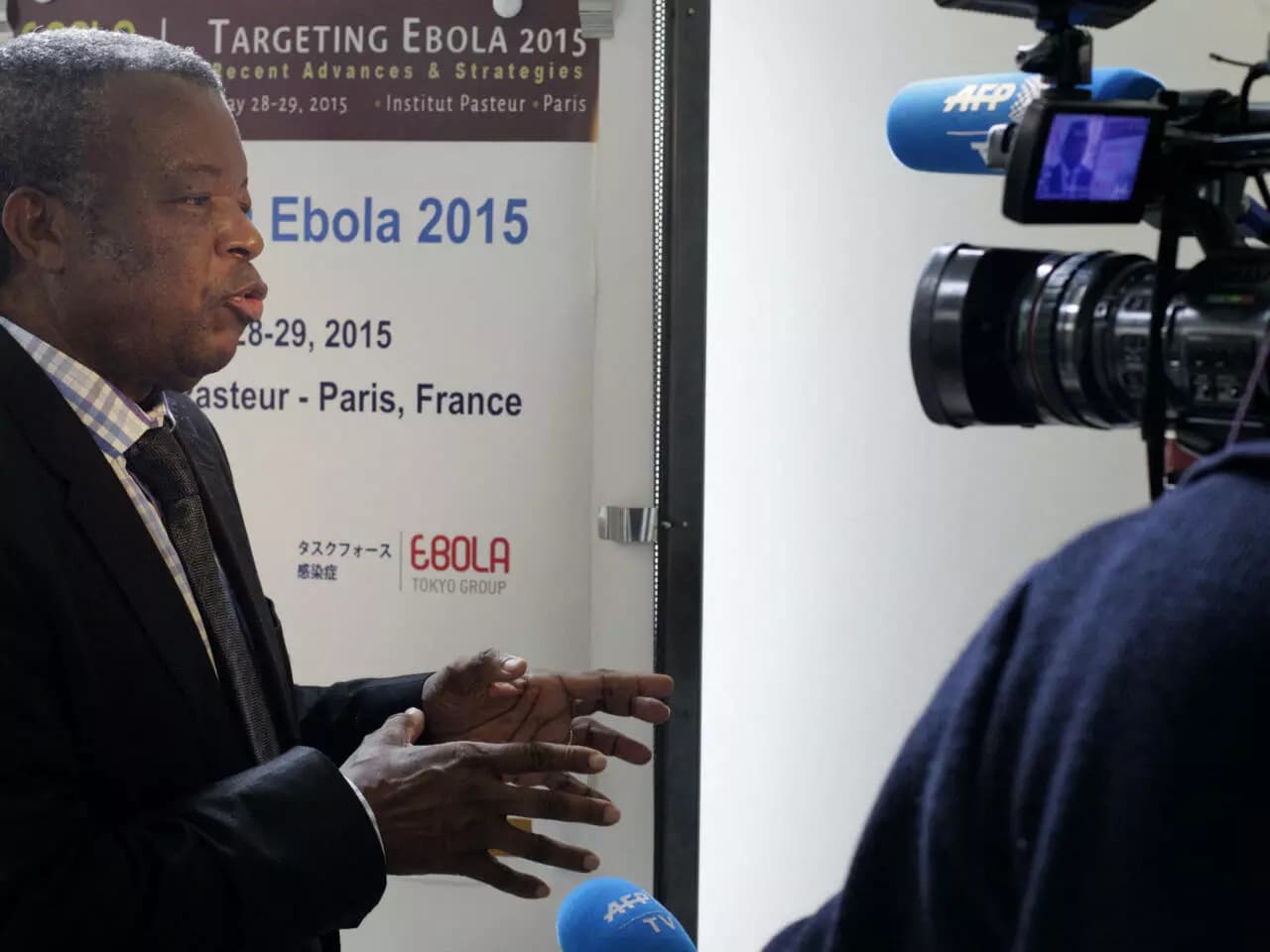
At 84 years old, the pioneering virologist Jean-Jacques Muyembe remains a steadfast guardian against infectious diseases. As the Democratic Republic of Congo (DRC) confronts its 17th outbreak of the deadly Ebola virus, this veteran researcher continues his tireless work on the front lines, proving that decades of experience are as vital as modern technology in containing health crises.
In 1976, while serving as a young physician, Jean-Jacques Muyembe was dispatched to a remote village named Yambuku to investigate a mysterious illness that initially baffled local medical experts. It was there that he first encountered what would later be identified as Ebola. During those early days, the medical community lacked even basic safety gear; he recalled handling infected blood samples without the protection of gloves, gowns, or masks, marking the beginning of a lifetime commitment to battling the virus.
The Evolution of Ebola Response
Despite the current scale of the health emergency, which has resulted in hundreds of infections and deaths according to the World Health Organization, Jean-Jacques Muyembe maintains a resolute perspective. Having led the state-run National Institute of Biomedical Research (INRB), he emphasizes that the nation has successfully overcome 15 previous outbreaks through diligent public health measures, long before modern vaccines were developed.
While the present Ebola strain, known as Bundibugyo, currently lacks a specific vaccine, researchers are applying decades of accumulated knowledge to contain the spread. Furthermore, Jean-Jacques Muyembe has been instrumental in shifting the paradigm of medical research in Africa. He pioneered early experiments using blood transfusions from survivors to treat patients, a concept that laid the crucial foundation for the development of Ebanga, the first officially licensed treatment for the disease.
The veteran scientist also highlights the broader context of regional health security, noting that Ebola is just one component of a larger challenge. He points to rising concerns regarding mpox and argues that the frequent emergence of zoonotic diseases is deeply connected to environmental factors. Increased deforestation and the impact of climate change have brought human communities into deeper contact with wildlife, thereby elevating the risk of pathogens jumping from animals to humans.
Reflecting on his historic career, Jean-Jacques Muyembe views his initial discovery of the virus as the most significant risk he ever took. Today, as he oversees critical research, he remains a symbol of resilience, confirming that the fight against Ebola is a battle the medical community is committed to winning through science, observation, and persistent dedication.