Donald Trump Warns Iran of Consequences if Nuclear Deal Fails
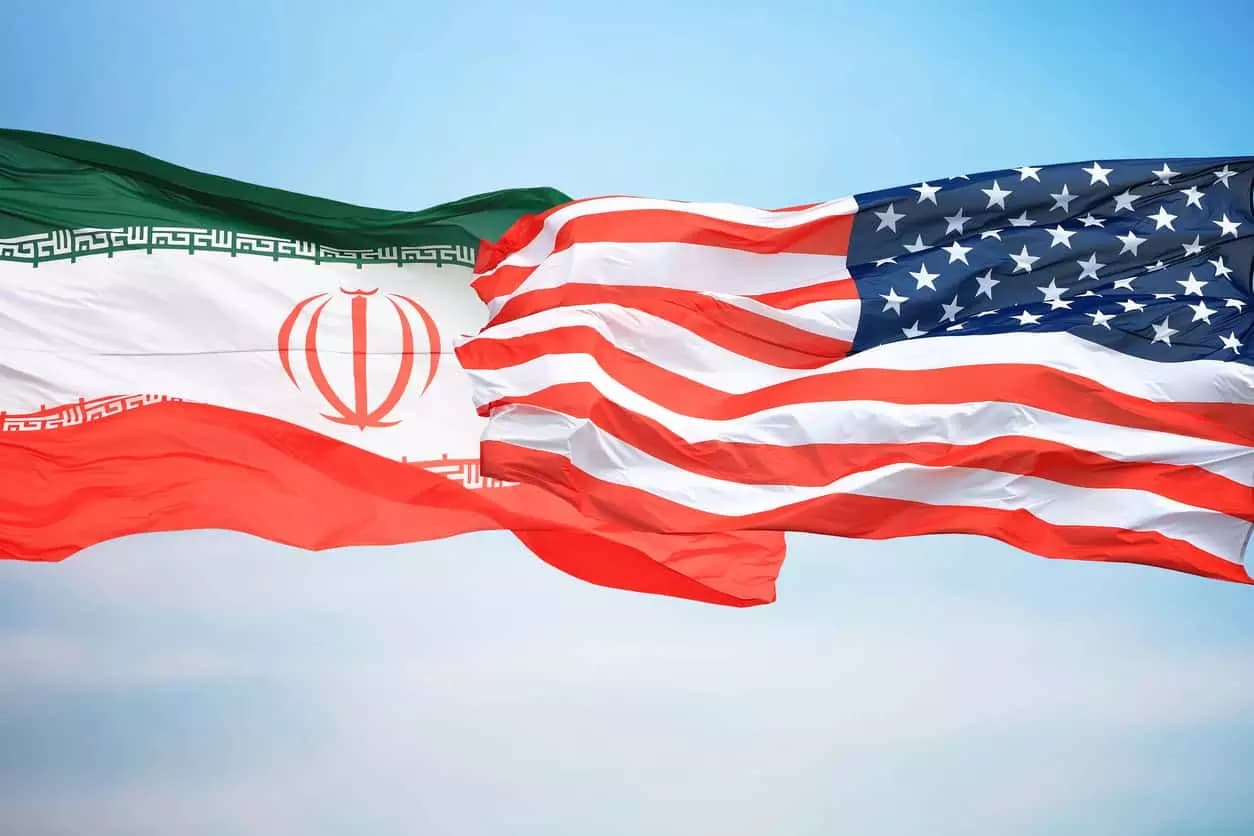
President Donald Trump has warned that he will take necessary action if Iran does not comply with potential nuclear agreements. While the U.S. remains optimistic about diplomatic progress, Tehran insists its cooperation with the IAEA will continue only within the framework of its existing domestic laws.
Highlights
- •President Trump warns of decisive action if Iran fails to adhere to a potential nuclear agreement.
- •The administration prioritizes preventing nuclear proliferation over concerns of global economic fallout.
- •Vice President JD Vance claims Iran is open to major weapons inspections, though Tehran disputes the details.
- •Iran confirms its IAEA engagement will strictly follow domestic laws and Supreme National Security Council decisions.
Following the conclusion of initial technical negotiations in Switzerland, United States President Donald Trump has issued a stern warning regarding the necessity of a nuclear deal with Iran. President Trump emphasized that he is prepared to take whatever decisive action is required should Tehran fail to honor its commitments, prioritizing the prevention of nuclear proliferation above potential global economic concerns.
Enforcement and Diplomatic Stance
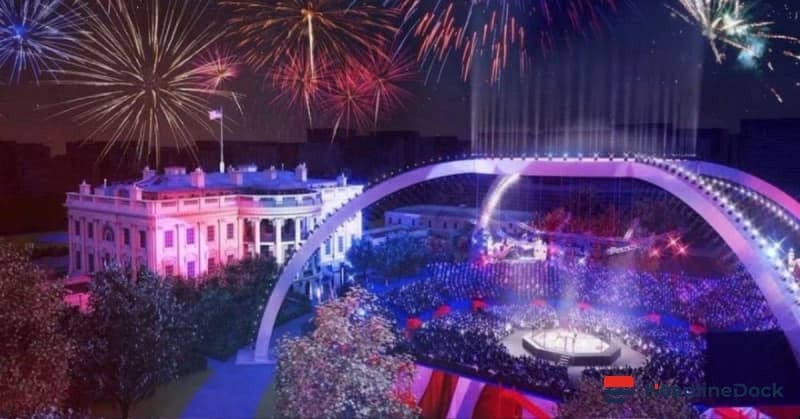
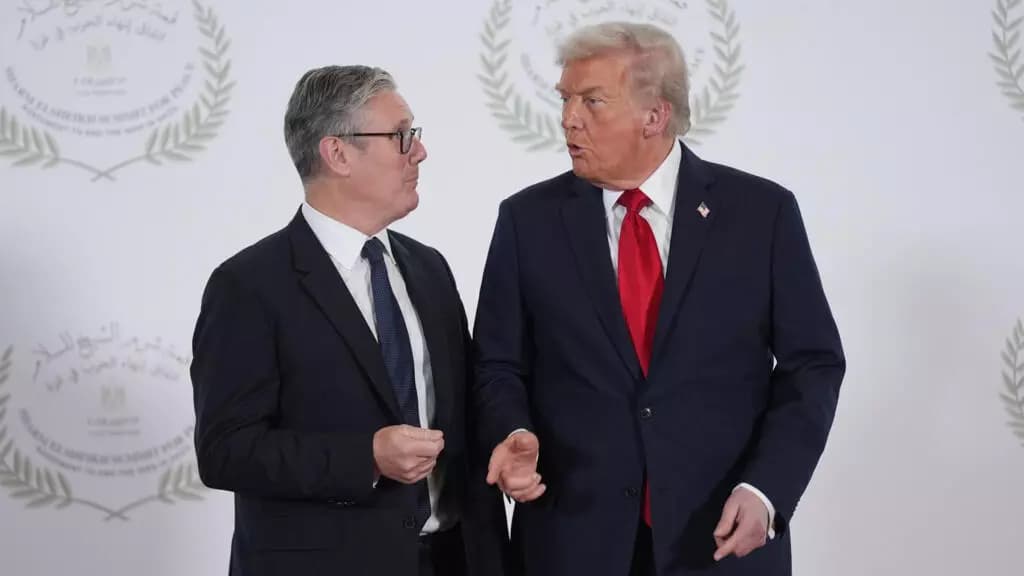
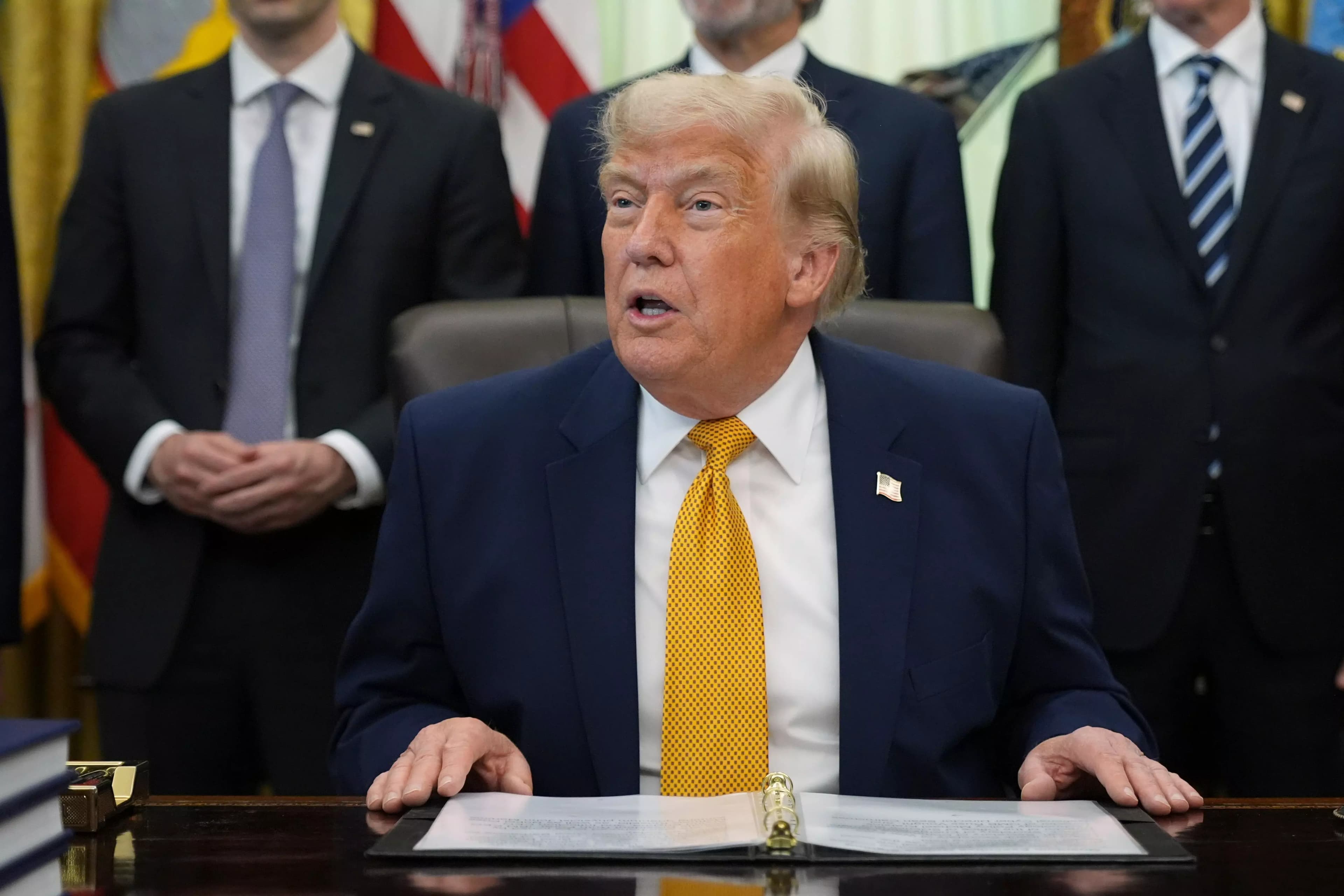
During a signing ceremony for executive orders concerning quantum technology held at the White House, President Trump was clear about his administration's position. Addressing the potential for a US-Iran nuclear deal, he stated, "If Iran doesn't live up to their agreement, or if they're not behaving, I will do what I have to do." He maintained that stability would be preserved as long as Tehran shows mutual respect, though he reiterated that military options remain on the table should diplomacy fail.
The President directly addressed concerns that his hardline approach might trigger global economic instability. Dismissing suggestions of a potential worldwide depression, Trump argued that the threat posed by nuclear weapons is far more significant. "If they don't abide by -- well, nuclear weapons supersede depression," he asserted. "Depression is real bad... a nuclear weapon will cause depression much more quickly."
Negotiations and Inspection Disputes
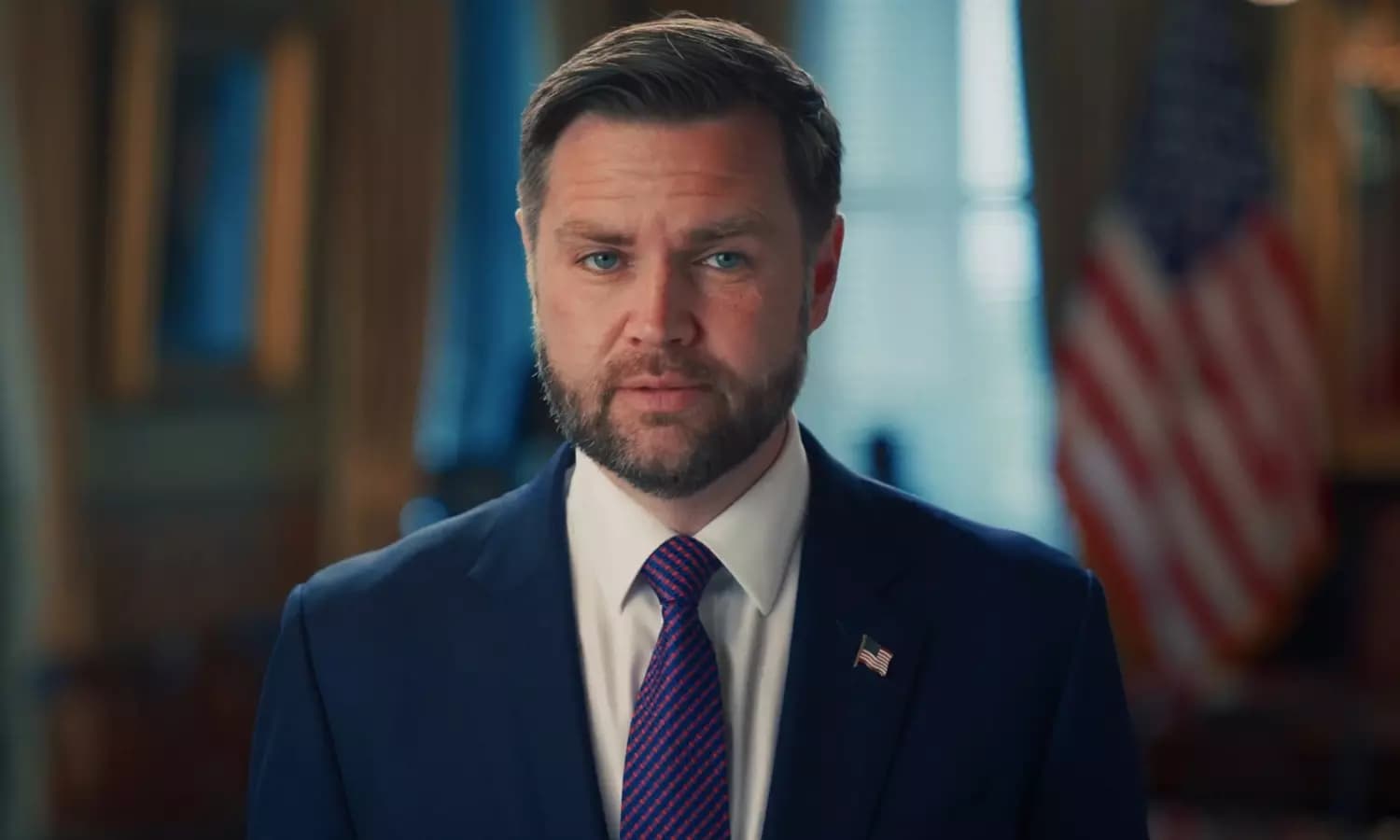
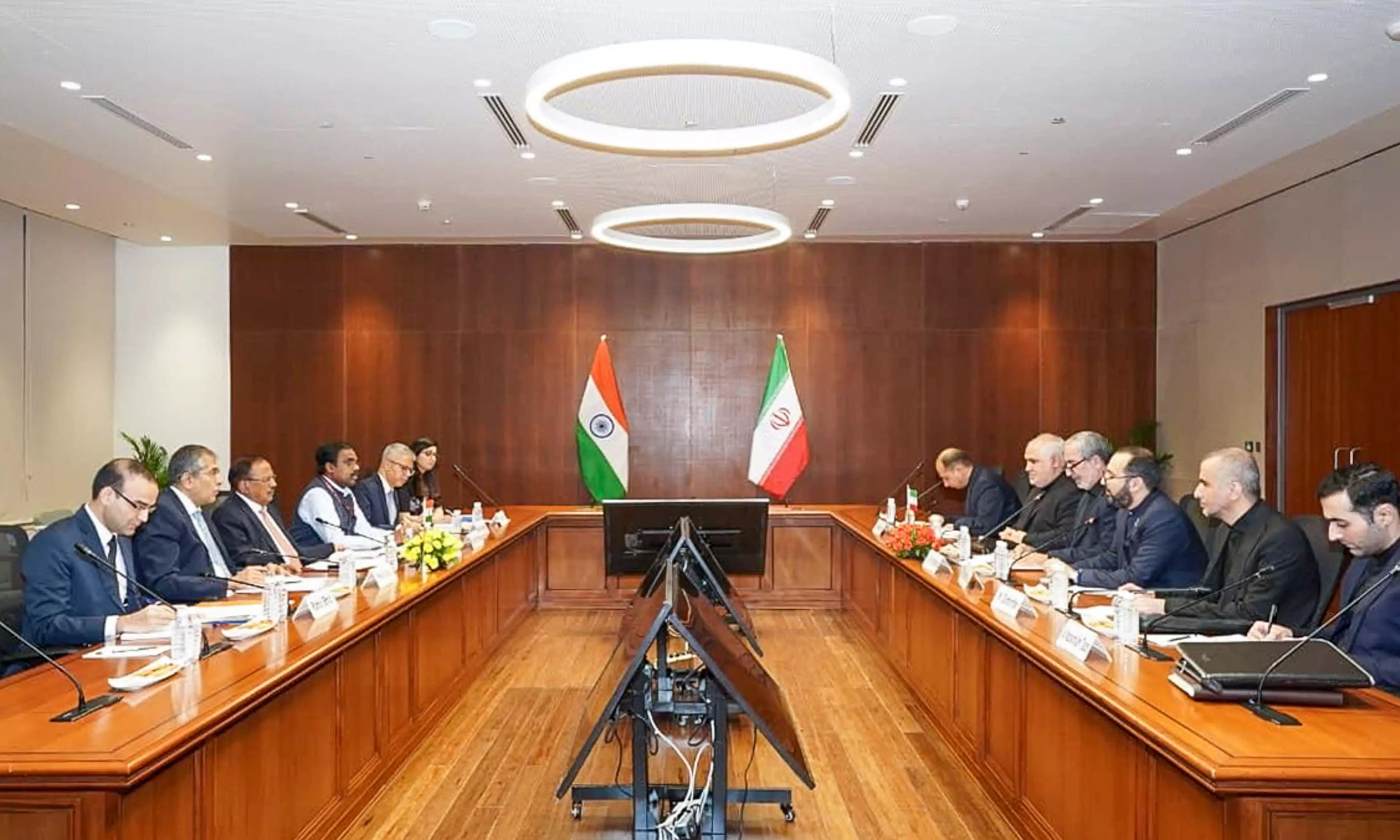
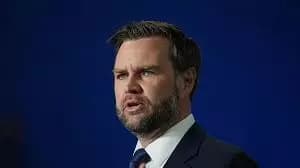
These remarks follow recent 14-point memorandum of understanding (MoU) discussions in Switzerland. Vice President JD Vance, who was present at the Burgenstock resort, expressed optimism about the progress of these US-Iran negotiations, noting that a solid foundation has been laid. According to Vance, Iran had indicated a readiness to permit extensive weapons inspections to ensure transparency regarding its nuclear program.
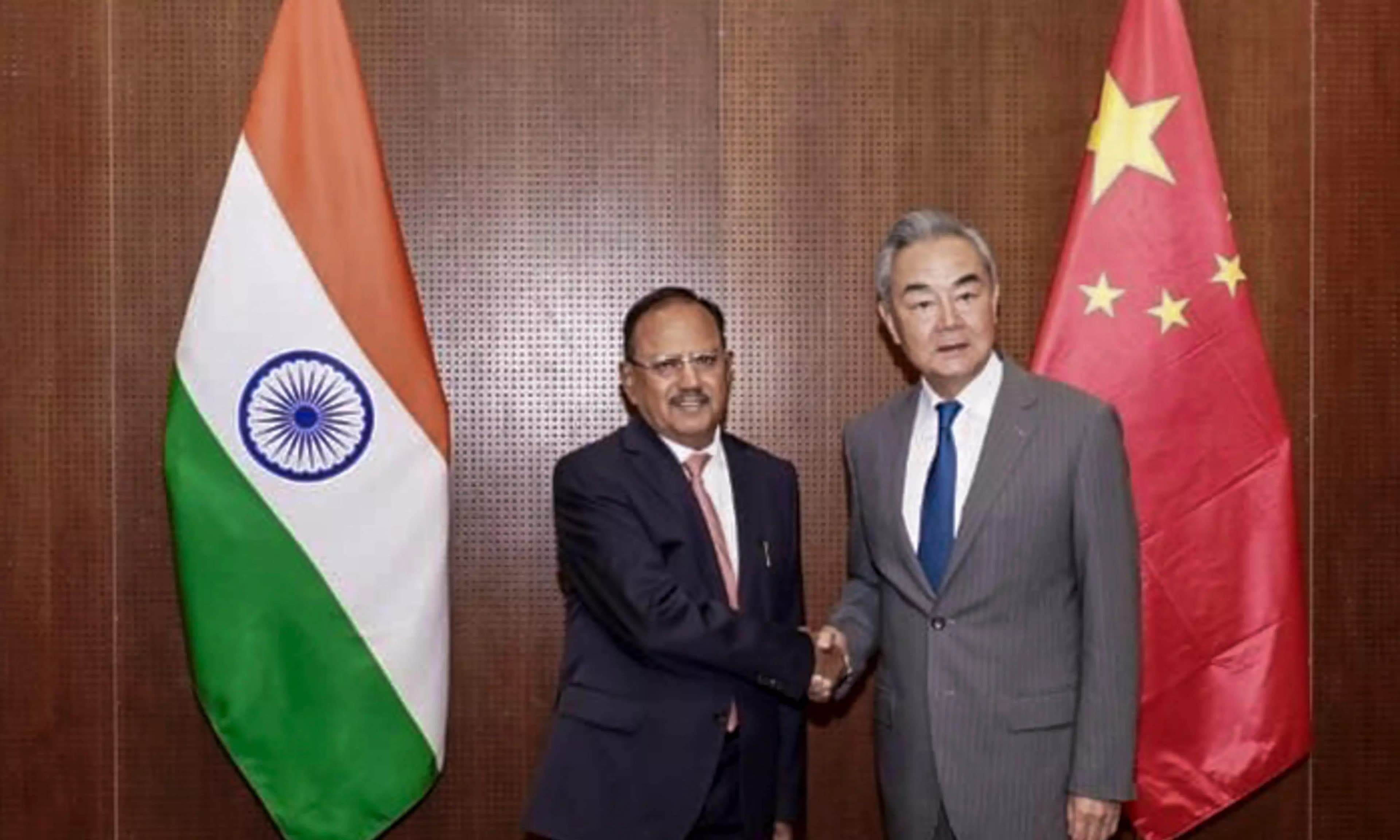
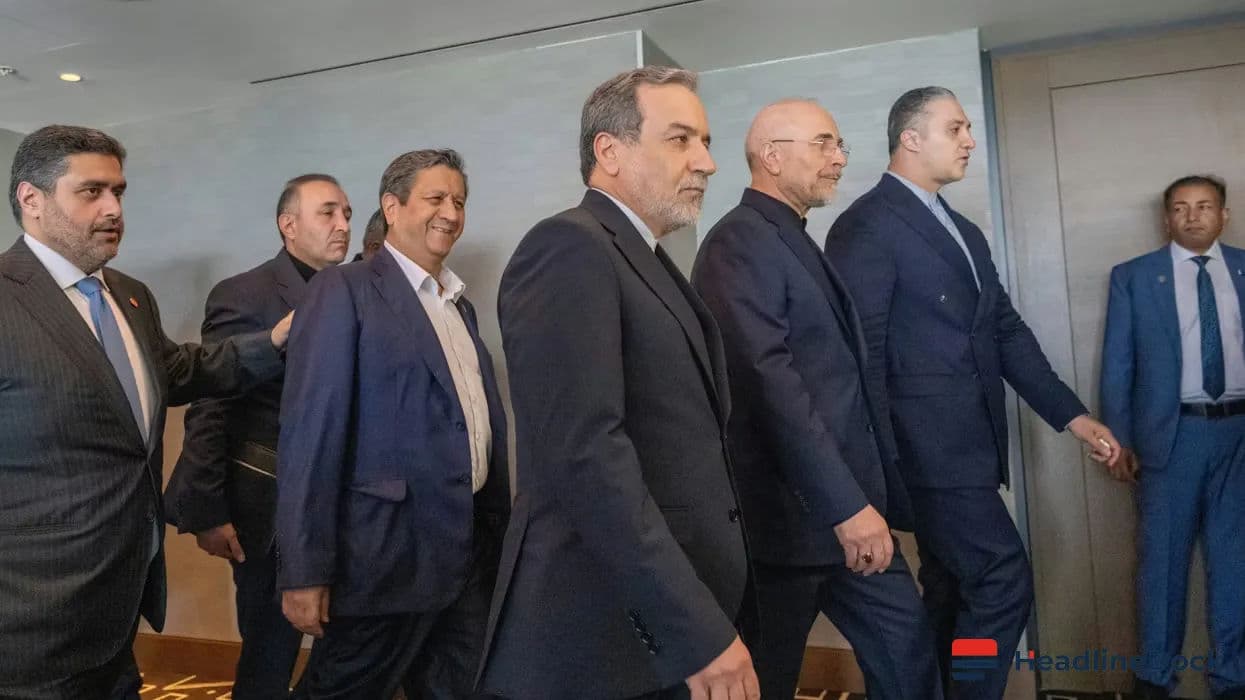
However, this narrative has been challenged by officials in Tehran. Esmaeil Baqaei, the spokesperson for the Iranian Foreign Ministry, stated that Iran would continue its cooperation with the International Atomic Energy Agency (IAEA) solely under existing safeguards. He clarified that all interactions remain subject to the specific laws enacted by the Islamic Consultative Assembly (Majlis) and the directives issued by the Supreme National Security Council (SNSC).
As the diplomatic process continues, the international community remains focused on the efficacy of these nuclear inspections and the ability of both nations to reach a binding agreement. The administration continues to emphasize a rigid policy designed to curtail any escalation in nuclear activity, keeping all potential countermeasures under active consideration.