Delhi High Court Reserves Verdict on Telegram Plea Before NEET-UG Re-test
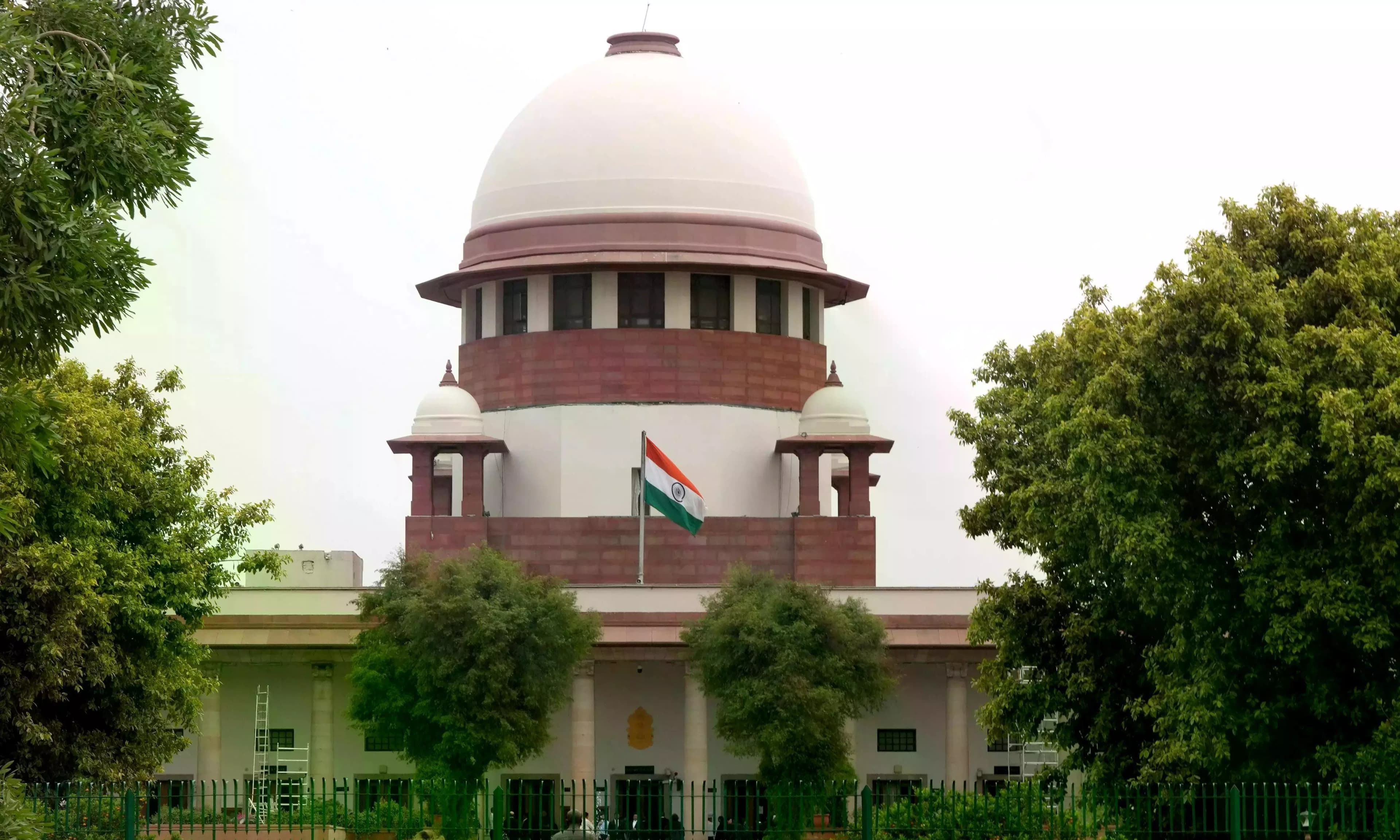
The Delhi High Court has reserved its verdict on a petition filed by Telegram challenging a government order to restrict the app's access ahead of the June 21 NEET-UG re-examination. Legal teams for both sides are submitting final written arguments to the court.

Highlights
- •The Delhi High Court has reserved its verdict on Telegram's plea against a temporary access ban.
- •The ban was proposed by the government ahead of the NEET-UG re-examination on June 21.
- •Legal counsel for both Telegram and the Central Government presented their arguments before Justice Tejas Karia.
- •Parties have been ordered to submit written arguments by 7 pm for final judicial consideration.
The Delhi High Court has officially reserved its judgment regarding a legal challenge brought forward by Telegram. The messaging platform is seeking to contest the central government's recent directive, which aims to temporarily restrict access to the application in the lead-up to the NEET-UG re-examination scheduled for June 21.
Legal Proceedings Over Telegram Access
During the court proceedings, a vacation bench presided over by Justice Tejas Karia conducted an extensive hearing involving arguments from both legal representatives of the messaging platform and the central government. Representing Telegram, senior advocate Dhruv Mehta presented the company's arguments against the government's restriction order. On the opposing side, Attorney General R Venkataramani and Solicitor General Tushar Mehta defended the government’s stance, emphasizing the necessity of these measures ahead of the significant academic event.
The judicial bench concluded the hearing by directing both involved parties to formalize their arguments into written submissions. The court has set a strict deadline of 7 pm for these documents to be submitted, after which the bench will deliberate on the matter. The ongoing legal battle underscores the broader intersection of national security, digital infrastructure, and large-scale public examinations, as authorities strive to ensure the integrity of the NEET-UG process.
Context of the NEET-UG Re-examination
The government's push to curb access to the messaging app is part of a wider effort to maintain transparency and security for the upcoming NEET-UG re-test. Given the sensitivity surrounding the examination and previous concerns regarding potential leaks or unauthorized distribution of information, administrative bodies are taking proactive steps to minimize risks. The Delhi High Court's involvement reflects the tension between corporate operational rights and the regulatory measures authorities deem necessary for maintaining educational standards. As the nation prepares for the re-examination on June 21, the final verdict on Telegram's access remains a focal point for those monitoring the intersection of technology and law.
The decision to restrict specific digital platforms during critical periods of national importance highlights the evolving regulatory landscape in the country. With the judiciary now tasked with reviewing the legality of this temporary ban, both students and technical stakeholders are awaiting the court's final order to understand the broader implications for digital communication services during high-stakes public events. The court's prompt handling of this petition demonstrates the urgency of the situation as the exam date approaches.