Supreme Court Considers Plea for National Digital Registry of Lawyers
The Supreme Court of India is evaluating a petition for a National Digital Registry of Lawyers. The initiative aims to provide unique advocate identifiers and a digital conduct code to enhance transparency, curb fraudulent practices, and modernize the legal profession across the country.
Highlights
- •The Supreme Court is reviewing a plea for a National Digital Registry of Lawyers to verify credentials.
- •The initiative proposes a unique national advocate identifier to eliminate fraudulent legal practitioners.
- •The Bar Association of India seeks a formal code of conduct for lawyers on social media platforms.
- •The court emphasized supporting young legal professionals and scheduled further hearings for July.
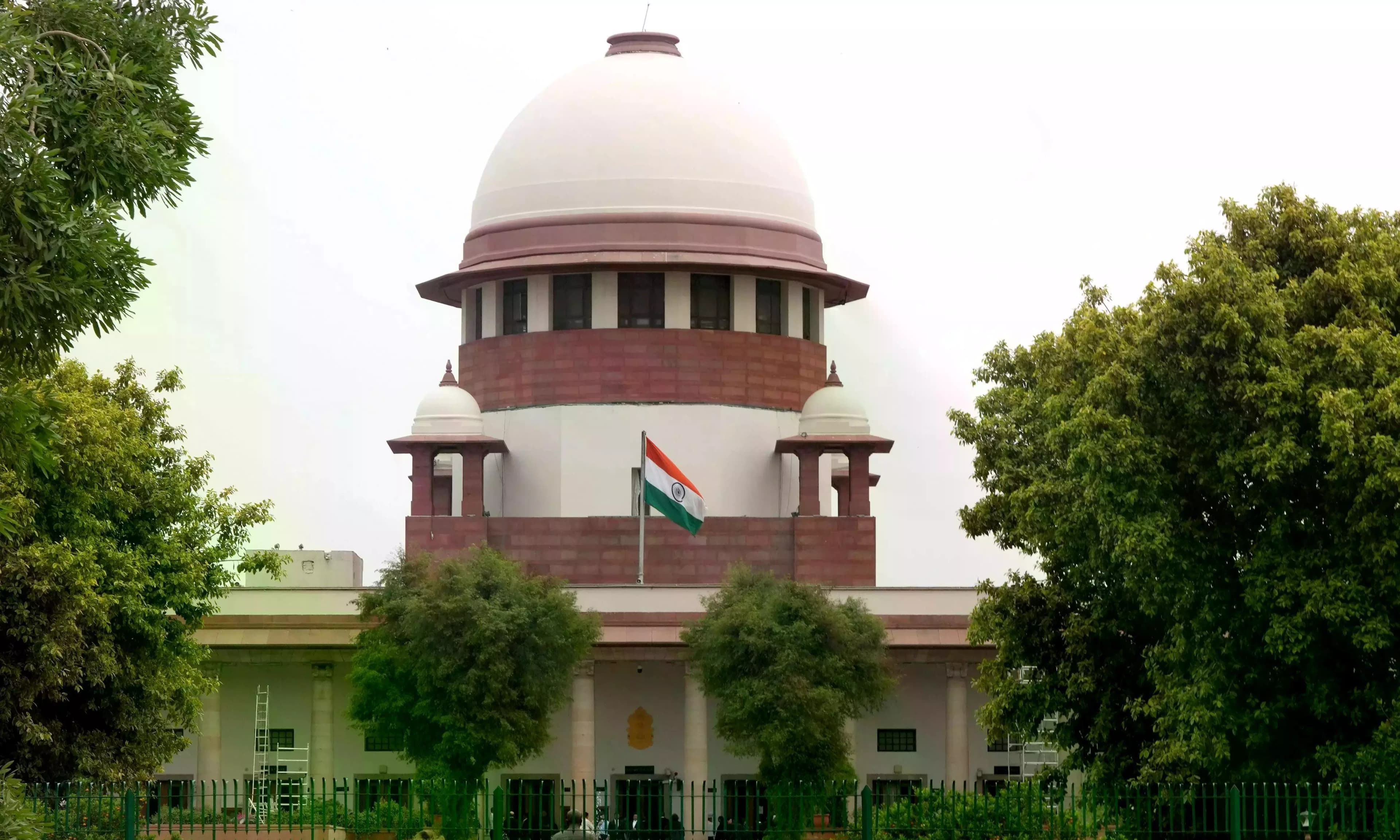
The Supreme Court of India has officially requested formal responses from the central government, the Bar Council of India (BCI), and other pertinent stakeholders regarding a significant petition. This legal challenge advocates for the establishment of a National Digital Registry of Lawyers, a technological initiative aimed at introducing a unique national advocate identifier for every registered legal professional to combat the prevalence of fraudulent practitioners.
Addressing Professional Accountability and Digital Conduct
A bench led by Chief Justice Surya Kant and Justice V Mohana noted that the proposal for a National Digital Registry is an innovative concept that leverages modern technology to improve professional transparency. The petition, brought forward by the Bar Association of India (BAI), argues that the current system of maintaining lawyer records is fragmented across 23 state councils, lacking the necessary interoperability to verify credentials in real-time. This structural opacity has reportedly allowed fraudulent enrollments to bypass scrutiny.
Furthermore, the BAI has requested that the Bar Council of India implement a strict digital conduct and social media code under Section 49 of the Advocates Act, 1961. During the proceedings, Chief Justice Surya Kant highlighted the concerning rise of inappropriate comments on digital platforms, which detract from the dignity of the profession. The court emphasized that while legal practitioners are expected to uphold professional ethics, those defaming the field through unprofessional social media activity may not be genuine legal experts. The court noted that it would review examples of such digital misconduct.
Modernizing Legal Infrastructure in India
The proposed National Digital Registry for the Legal Profession of India (NDRLP) aims to provide a centralized, publicly accessible, and QR-verifiable profile for every attorney. This system would consolidate verified qualifications, disciplinary histories, and current enrollment statuses. To facilitate this, the court suggested that University Grants Commission (UGC)-linked portals for law degree verification could be integrated into the registry’s framework. The petition also calls for the Ministry of Law and Justice to allocate a specific corpus for this national rule-of-law infrastructure project.
The bench expressed strong support for the younger generation of the legal community, stating that the future of the profession relies on their constructive academic and legal contributions. The court has scheduled the matter for further hearing in July, stressing the necessity of involving law universities as parties in this comprehensive digital transformation effort. By establishing a robust National Digital Registry, the judiciary hopes to restore public trust and modernize the oversight of India's approximately 1.8 million enrolled advocates, ensuring that only qualified individuals represent litigants in the nation's courts.