Can Luigi Mangione Successfully Use Mental Health Defense in CEO Murder Trial?
Luigi Mangione faces significant legal challenges as he attempts to use an 'extreme emotional disturbance' mental health defense in his murder trial for the death of UnitedHealthcare CEO Brian Thompson, despite evidence suggesting a premeditated and carefully executed plan.
Highlights
- •Luigi Mangione faces trial for the December 2024 murder of UnitedHealthcare CEO Brian Thompson.
- •The defense aims to use an 'extreme emotional disturbance' argument to potentially downgrade murder to manslaughter.
- •Legal experts argue that evidence of meticulous planning and identity concealment undermines the mental health defense claim.
- •The judge will determine if sufficient evidence exists to allow the jury to consider a lesser manslaughter charge.
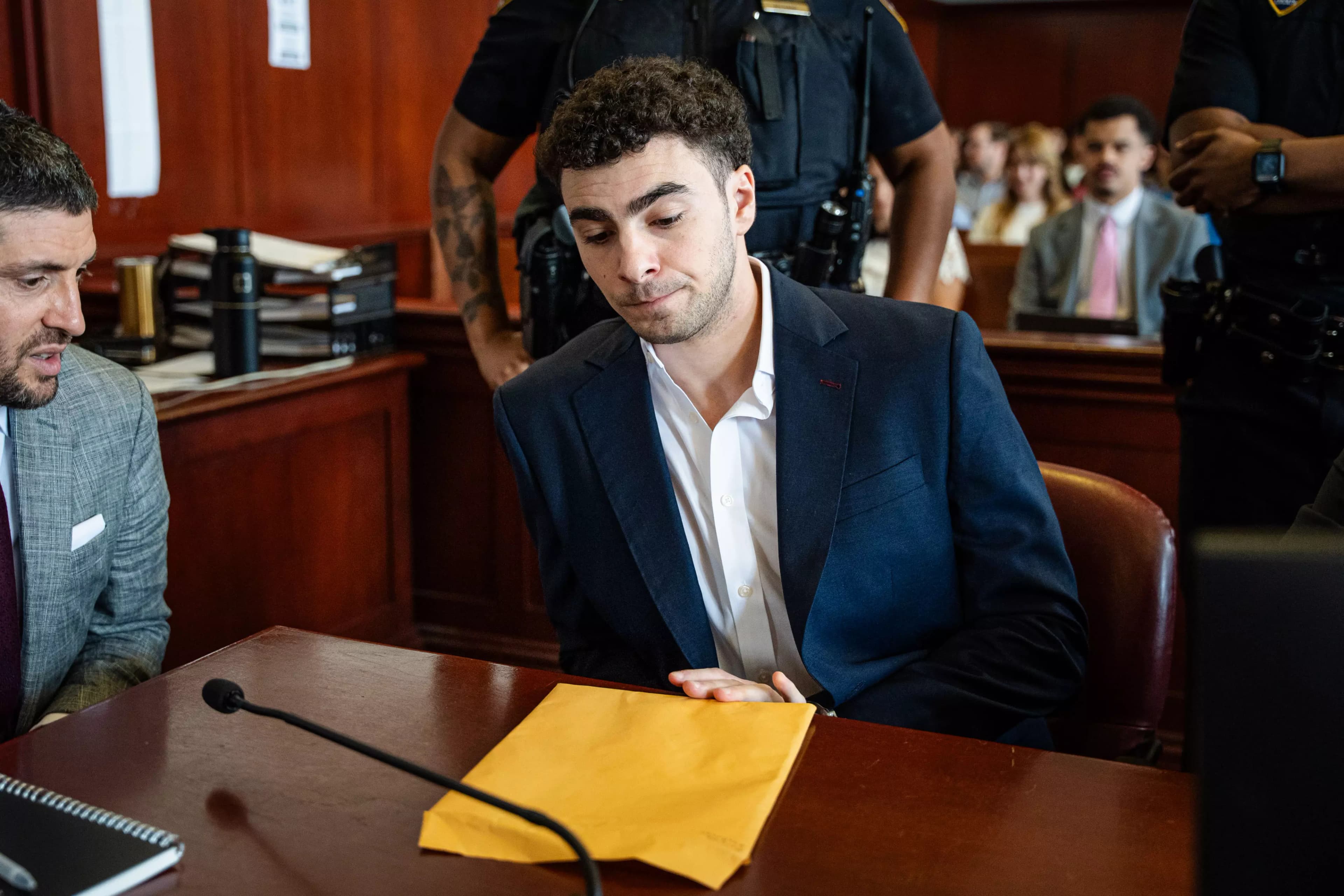
In the upcoming legal proceedings, the mental health defense strategy adopted by Luigi Mangione regarding the high-profile assassination of a prominent executive faces significant hurdles. Mangione stands accused of the December 2024 fatal shooting of UnitedHealthcare CEO Brian Thompson outside a hotel in Midtown, New York. As the trial approaches in September, legal experts are scrutinizing the feasibility of the defense's plan to reduce potential charges.
The defense team has indicated plans to argue that Mangione was suffering from an “extreme emotional disturbance” at the time of the incident. Under New York state law, this type of defense can potentially allow a jury to downgrade a murder charge to manslaughter if they are convinced the defendant lost control of their actions due to overwhelming emotional distress. Unlike an insanity plea, this approach does not require a formal psychiatric diagnosis or proof that the defendant was unaware of their actions being wrong.
Evaluating the Mental Health Defense Strategy
However, achieving success with a mental health defense in this case is considered a formidable challenge. Former Manhattan prosecutor Gary Galperin, now a law professor at Cardozo School of Law, noted that the meticulous planning involved in the assassination complicates the defense's position. Prosecutors have pointed to evidence of a notebook belonging to Mangione, which contained criticisms of the healthcare industry and explicit mentions of targeting an executive. This suggests a premeditated effort rather than a sudden, uncontrollable breakdown.
The prosecution's evidence indicates that Mangione took specific steps to conceal his identity and successfully evaded law enforcement for five days following the incident. Legal experts argue that this conduct contradicts the claim of a loss of self-control. Anna Cominsky, a professor at New York Law School, suggested the defense may try to portray the events as an extended crisis triggered by Mangione's chronic back pain and broader frustrations with the insurance industry. Yet, establishing that such frustrations constitute a “reasonable explanation or excuse” for lethal violence remains a major hurdle for the defense.
Ultimately, the presiding judge will determine if the defense has presented sufficient evidence to permit the jury to consider the manslaughter downgrade. While many people may empathize with grievances regarding health insurance claim denials, legal analysts emphasize that justifying a homicidal act through such a lens is legally problematic. The trial remains a focal point for public interest, especially given the intense scrutiny surrounding corporate practices in the healthcare sector. Mangione, who has entered a plea of not guilty to charges of murder, weapons possession, and forgery, will soon face a jury that must weigh these complex legal arguments against the factual evidence presented by the prosecution.