CM Revanth Reddy Demands Accountability for Lapses in 99-Day Action Plan
Chief Minister A. Revanth Reddy has ordered an inquiry into officials who failed to conduct field visits under the state's 99-day action plan. The government is introducing stricter monitoring by appointing senior IAS officers to districts and launching a dashboard to track progress and public feedback.
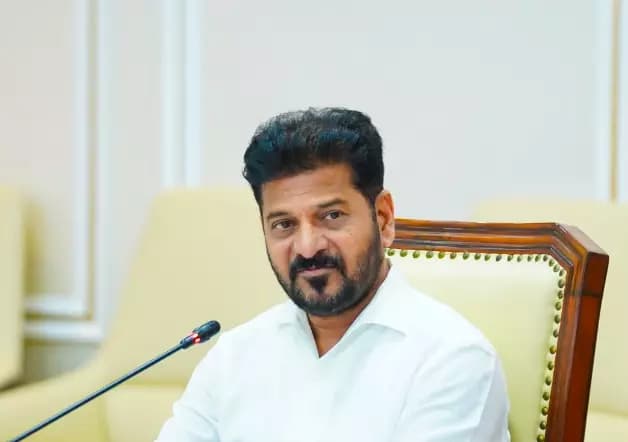
Highlights
- •Chief Minister A. Revanth Reddy demanded an explanation from officials who skipped mandatory field visits.
- •A 99-day action plan, Praja Palana – Pragathi Nivedika, was reviewed for implementation effectiveness.
- •Senior IAS officers will now be assigned to districts to monitor development and welfare initiatives.
- •The government is launching a digital dashboard to track welfare schemes and progress at all administrative levels.
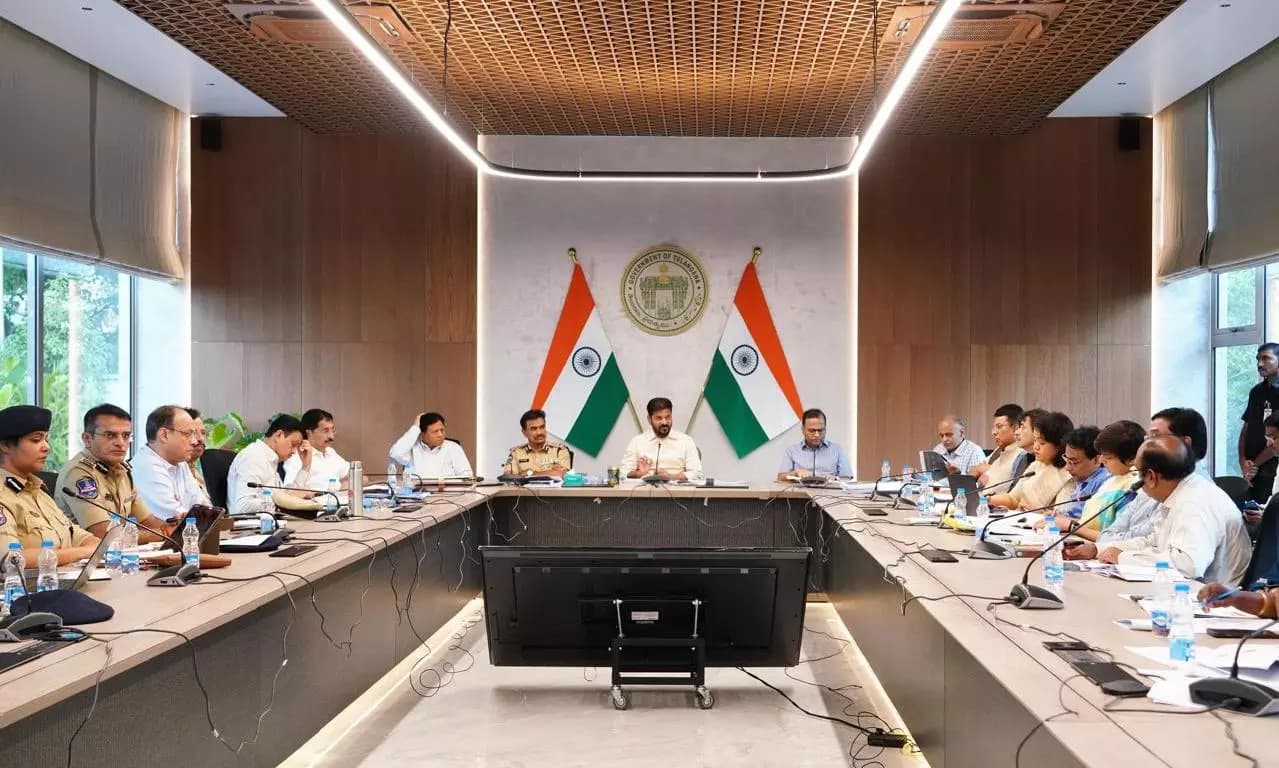
Chief Minister A. Revanth Reddy has expressed strong dissatisfaction with officials who failed to conduct necessary field visits as part of the state's 99-day action plan, known as Praja Palana – Pragathi Nivedika. During a recent review meeting, the Chief Minister directed Chief Secretary K. Ramakrishna Rao to submit a comprehensive list of all officers, including district collectors, who did not adhere to the government's mandatory guidelines for field inspections.
The government emphasized that the 99-day action plan, which ran from March 16 to June 12, was critical for monitoring development projects and public welfare initiatives. Officials who failed to comply are now required to provide immediate explanations regarding their lack of participation. The state administration has warned that disciplinary action will be taken against those who ignored these directives, underscoring that non-compliance with official policies will not be tolerated.
Accountability and Performance in the 99-Day Action Plan
During the review meeting, Chief Minister Revanth Reddy assessed the overall progress of various departments. While he commended the teams that actively participated, he also instructed the planning department to prepare a detailed report on the status of promises made at the assembly constituency level. Furthermore, the meeting addressed the need for better communication, as some departments reportedly failed to adequately publicize their achievements through conventional and digital media.
To improve oversight, the government has decided to appoint senior IAS officers as special supervisors for each district. These officers, working in tandem with district collectors, will be responsible for reviewing special programs, monitoring the quality of development works, and assessing direct public feedback. The administration plans to establish a centralized dashboard to track welfare schemes, beneficiaries, and development milestones at the district, constituency, mandal, and village levels.
The state is also prioritizing infrastructure improvements, such as the installation of solar power plants on school buildings and the implementation of facial recognition-based attendance systems across educational institutions and healthcare facilities like Osmania Hospital and Gandhi Hospital. Additionally, the Panchayat Raj department has been tasked with identifying villages that lack formal gram panchayat buildings and formulating a concrete construction plan to address this gap. By formalizing these monitoring processes and ensuring stricter accountability, the state aims to bring the government closer to its citizens and ensure that public promises are effectively fulfilled.