Central Government Employees Receive 2% DA Hike, Total Allowance Now 60%
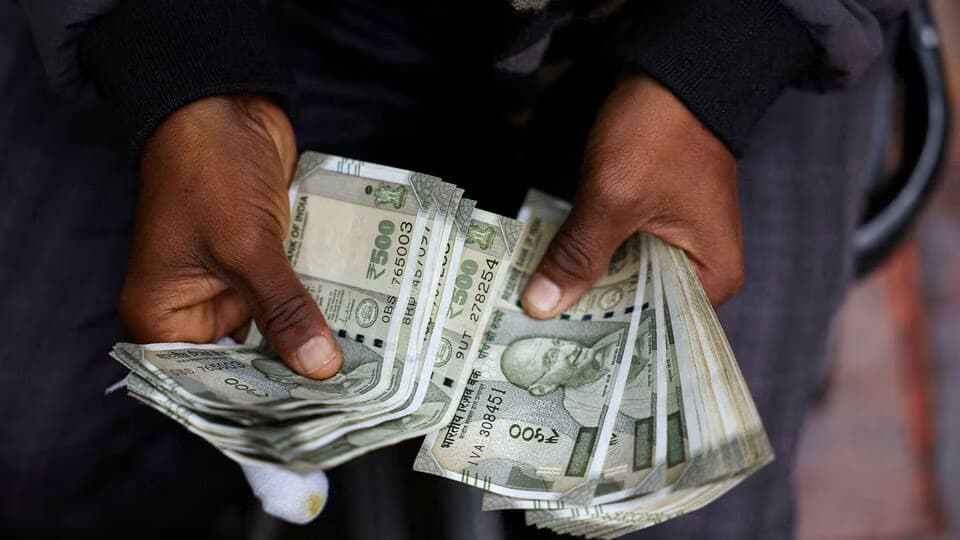
The central government has officially increased the Dearness Allowance (DA) by 2%, raising the total to 60% effective from January 2026. This move benefits over 50 million employees and 68 million pensioners, including the disbursement of accrued arrears in upcoming pay cycles.
Highlights
- •The central government has approved a 2% DA hike for employees and pensioners.
- •The new DA rate is 60%, with the policy effective from January 1, 2026.
- •Employees will receive arrears for the past months alongside their regular salary.
- •Future reviews in July 2026 may see an additional increase of 3% to 4%.
The central government has officially announced a significant DA hike, bringing welcome relief to millions of employees and pensioners across the country. This latest adjustment in the Dearness Allowance (DA) and Dearness Relief (DR) is aimed at mitigating the financial impact of persistent inflation. The decision follows the guidelines established by the 7th Pay Commission, ensuring that government personnel receive timely updates to their compensation packages.
In a recent meeting chaired by Prime Minister Narendra Modi, the Union Cabinet provided formal approval for a 2% increase in the dearness allowance. Following this upward revision, the total allowance for central government employees has risen from 58% to 60%. This policy change is officially effective from January 1, 2026. Consequently, eligible individuals are set to receive arrears covering the preceding months, which will be disbursed alongside their upcoming monthly paychecks.
Understanding the Impact of the DA Hike
The implementation of this DA hike will have a direct impact on the take-home salary and monthly pensions of over 50 million central government employees and more than 68 million pensioners. The financial commitment required for this increase is estimated to place a burden of approximately ₹6,791.24 crore annually on the government exchequer. For individual employees, the actual benefit is calculated based on their respective Basic Pay.
To illustrate the financial benefit, an employee earning a monthly basic salary of ₹18,000 will see a monthly increase of ₹360. Similarly, senior personnel with a basic salary of ₹56,100 will experience a monthly income boost of ₹1,122. Beyond direct salary adjustments, this increase also positively impacts other components of compensation, such as travel allowances, providing further support to the workforce.
As the government moves forward, attention is already shifting toward the next scheduled review in July 2026. Economic analysts are closely monitoring the All India Consumer Price Index (AICPI-IW) to forecast future trends. Current projections suggest that the upcoming July revision could potentially see an additional increase of 3% to 4%, which might push the total dearness allowance beyond the 63% to 64% threshold. Simultaneously, there is growing momentum among various employee unions advocating for the establishment of the 8th Pay Commission. The introduction of a new pay matrix remains a key area of interest, with many anticipating that the administration will soon address these long-standing demands to further streamline the compensation structure for public sector workers.