Telangana Government Seeks Major Revisions to VB G RAM G Act 2025
The Telangana government is challenging the proposed VB G RAM G Act 2025, advocating for amendments to protect rural livelihoods. Officials argue the new framework threatens state autonomy and demand the restoration of the proven MGNREGA structure.
Highlights
- •Telangana government opposes the new VB G RAM G Act 2025 citing potential threats to rural livelihoods.
- •Minister N. Uttam Kumar Reddy calls for the withdrawal of the new act and restoration of the MGNREGA framework.
- •The state cabinet sub-committee warns of increased financial burdens and reduced flexibility for state-led employment programs.
- •Concerns were raised regarding the proposed removal of Mahatma Gandhi's name from the established rural employment scheme.
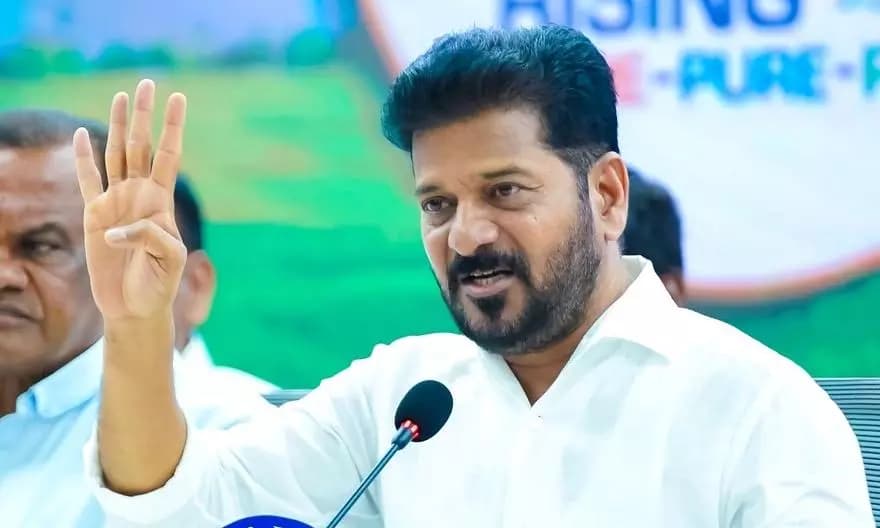
The Telangana government has taken a firm stance regarding the upcoming Viksit Bharat-Guarantee for Rozgar and Ajeevika Mission (Gramin) (VB G RAM G) Act, 2025. A cabinet sub-committee, led by Irrigation Minister N. Uttam Kumar Reddy, recently convened to analyze the potential impacts of this proposed legislation. The state administration is preparing to demand significant amendments to the framework to better protect vulnerable rural communities.
Concerns Over the VB G RAM G Act
During the meeting held at the Secretariat, officials expressed deep reservations about how the new VB G RAM G Act might influence rural employment stability. The committee observed that certain provisions within the proposed law could weaken the autonomy of state governments in designing their own employment schemes. Furthermore, there are significant worries regarding the potential increase in fiscal liabilities imposed on states, which could negatively impact the accessibility of essential livelihood support for the rural poor, small farmers, and self-help groups.
The state is actively exploring formal channels to convey its dissent before the scheduled implementation of the new framework on July 1. Minister N. Uttam Kumar Reddy highlighted that MGNREGA has been a cornerstone of social protection in India, originally envisioned during the UPA era. He strongly criticized the proposal to remove the name of Mahatma Gandhi from the program, labeling the decision as unnecessary and unfortunate. The state government remains steadfast in its demand for the central administration to withdraw the proposed legislation and instead reinforce the existing MGNREGA structure.
Push for Cooperative Federalism
The Telangana government intends to emphasize the vital principles of cooperative federalism in its response to the center. Leaders argue that states must retain the necessary flexibility to implement programs that are specifically tailored to local socio-economic requirements. The committee noted that multiple other states, including non-BJP ruled territories and parts of the Northeast, have also raised objections regarding the potential for added financial burdens under the new VB G RAM G Act framework.
Key officials, including Ministers Danasari ‘Seethakka’ Anasuya, Tummala Nageswara Rao, and G. Vivek Venkatswamy, participated in the deliberations virtually. They were joined by the Special Chief Secretary of the Panchayat Raj and Rural Development department, M. Dana Kishore, among other senior officials. As the deadline approaches, the state’s clear opposition underscores a growing national debate over the future of rural employment security and the balance of power between central and state governments in policy implementation.