Can BJP Government Tackle Corruption in West Bengal?
In West Bengal, the fight against corruption remains a significant challenge for the new BJP government. The legacy of 'Kolkata Corruption' and the controversial State Bank of Sikkim case highlight how systemic issues persist despite governmental initiatives.

Highlights
- •Legacy of 'Calcutta Corruption'
- •State Bank of Sikkim's financial irregularities
- •Controversy around demonetisation impact on SBS
- •BJP's focus on transferring welfare schemes
The concept of "Kolkata (Calcutta) Corruption" has long haunted Bengali politics, with Nirad C. Chaudhuri famously working for the Calcutta Corporation in the 1920s under such a reputation. While West Bengal's new chief minister may hope to change this legacy, tackling corruption is only part of the challenge.
Clean-up Efforts Must Also Address Bank Frauds
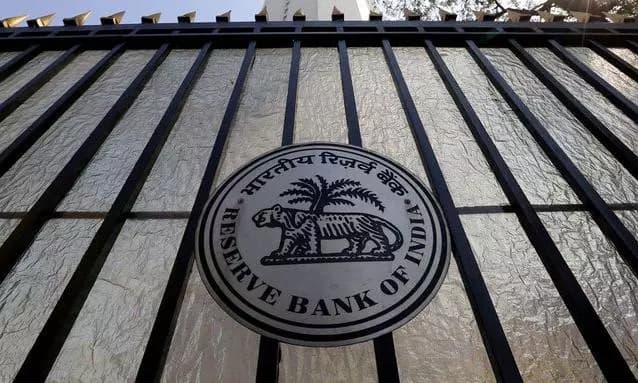
The State Bank of Sikkim, set up in 1968 with a royal proclamation, has faced its own scrutiny. Investigative journalists Paranjoy Guha Thakurta and Ayush Joshi revealed that the SBS was not subject to Reserve Bank of India (RBI) audits for decades, potentially leaving it vulnerable to misuse.
Pawan Chamling, the former chief minister of Sikkim, wrote to Prime Minister Narendra Modi in 2016 following the sudden demonetisation of Rs 500 and Rs 1000 notes. The panic could have led the State Bank of Sikkim to go bankrupt, impacting thousands of account holders.
The investigation also uncovered a hidden layer of corruption. In September 2017, Ashok Kumar Jain alleged that SBS was functioning like an "onshore-offshore" bank, offering secrecy and potentially acting as a haven for illegal funds. This has raised questions about the role of such banks in perpetuating financial malfeasance.
The Broader Context of Corruption and Policy Neglect
Beyond the State Bank scandal, there is growing unease over the new BJP government in West Bengal under Suvendu Adhikari. The narrative of waste management accusations has been used to justify these efforts, but a focus on petty policies like transferring welfare schemes suggests a shallower approach.
The absence of tangible reforms in basic infrastructure and social services indicates that addressing deeper issues may be politically challenging. Changing beneficiary names or institutions, as proposed by the government, offers scant relief to those genuinely in need.