Adivasi Communities Keep Muharram Traditions Alive With Traditional Tiger Dance Displays
Adivasi communities across the erstwhile Adilabad district are preserving the tradition of observing Muharram. By performing unique tiger dances and conducting shared rituals alongside Muslim Mujawars, these tribes continue to uphold cultural legacies that foster communal harmony and regional heritage in their local settlements.
Highlights
- •Adivasi communities in Adilabad celebrate Muharram alongside Muslim Mujawars.
- •Tribal groups like Kolams and Gonds perform a unique tiger dance during the festival.
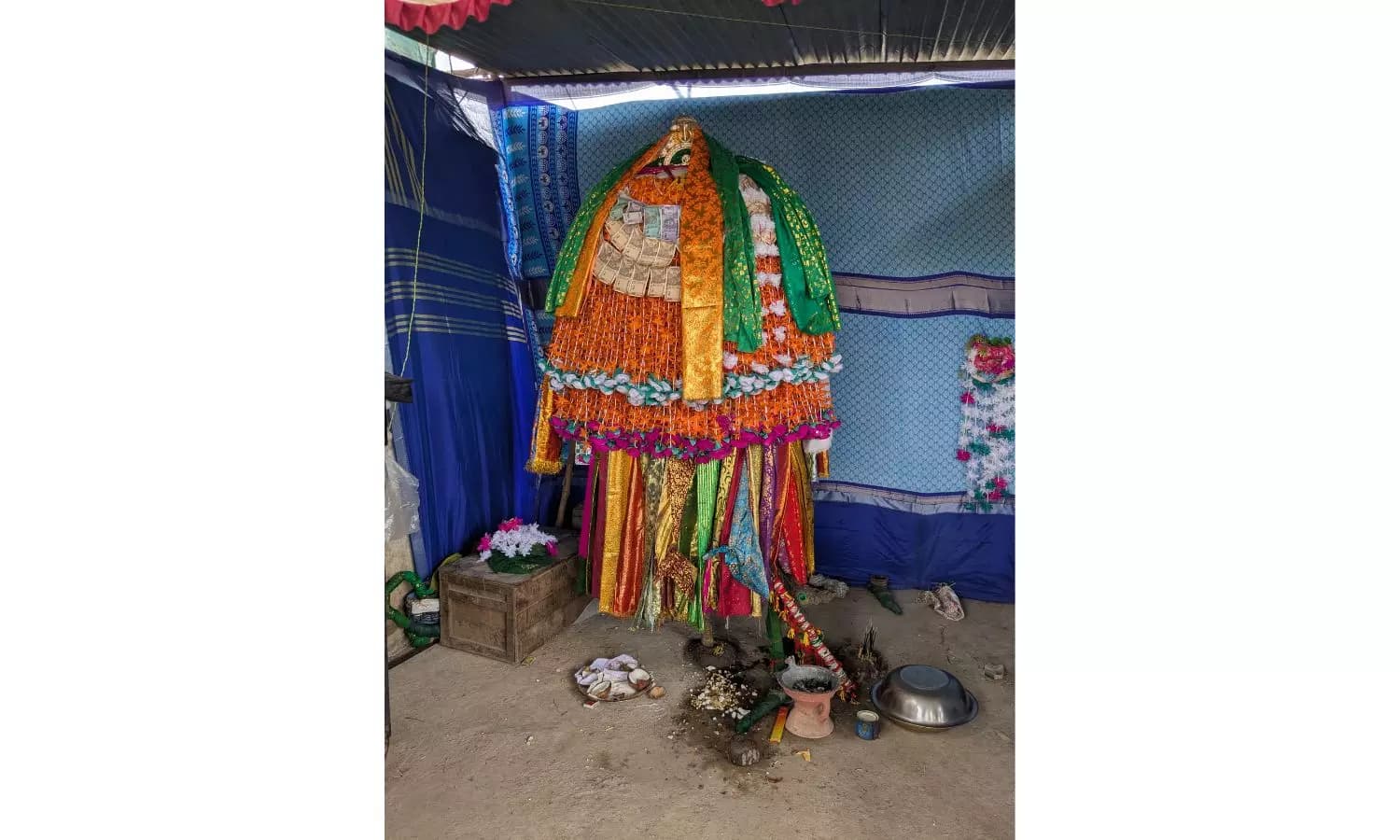
- •Peerilu are transported between villages to maintain long-standing ancestral traditions.
- •Special rituals like Udu Dhoopam and communal meals are central to the observance.
Across the erstwhile Adilabad district, indigenous Adivasi communities are demonstrating deep cultural harmony by actively observing Muharram traditions. This long-standing practice sees various tribal groups come together to perform sacred rituals alongside local Muslim Mujawars, highlighting a unique example of communal integration and shared faith in the region.
Celebrating Muharram Traditions in Adivasi Gudems
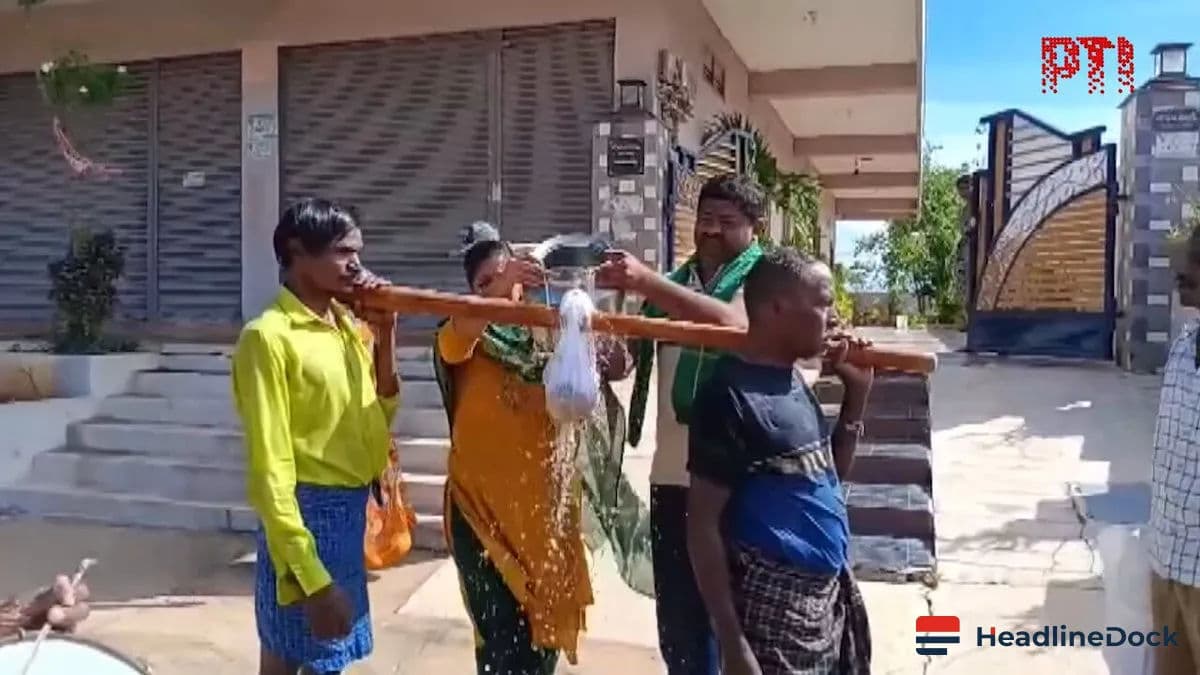
The observance of Muharram is not limited to any single community in these villages, as individuals from Scheduled Caste (SC), Scheduled Tribe (ST), and Backward Class (BC) groups also participate in the veneration of the Peerilu. Among the active participants are the Kolams, a Particularly Vulnerable Tribal Group, who join Pardhans, Andhs, Gonds, and Naikpods in carrying out these traditional rites that have been passed down through generations.
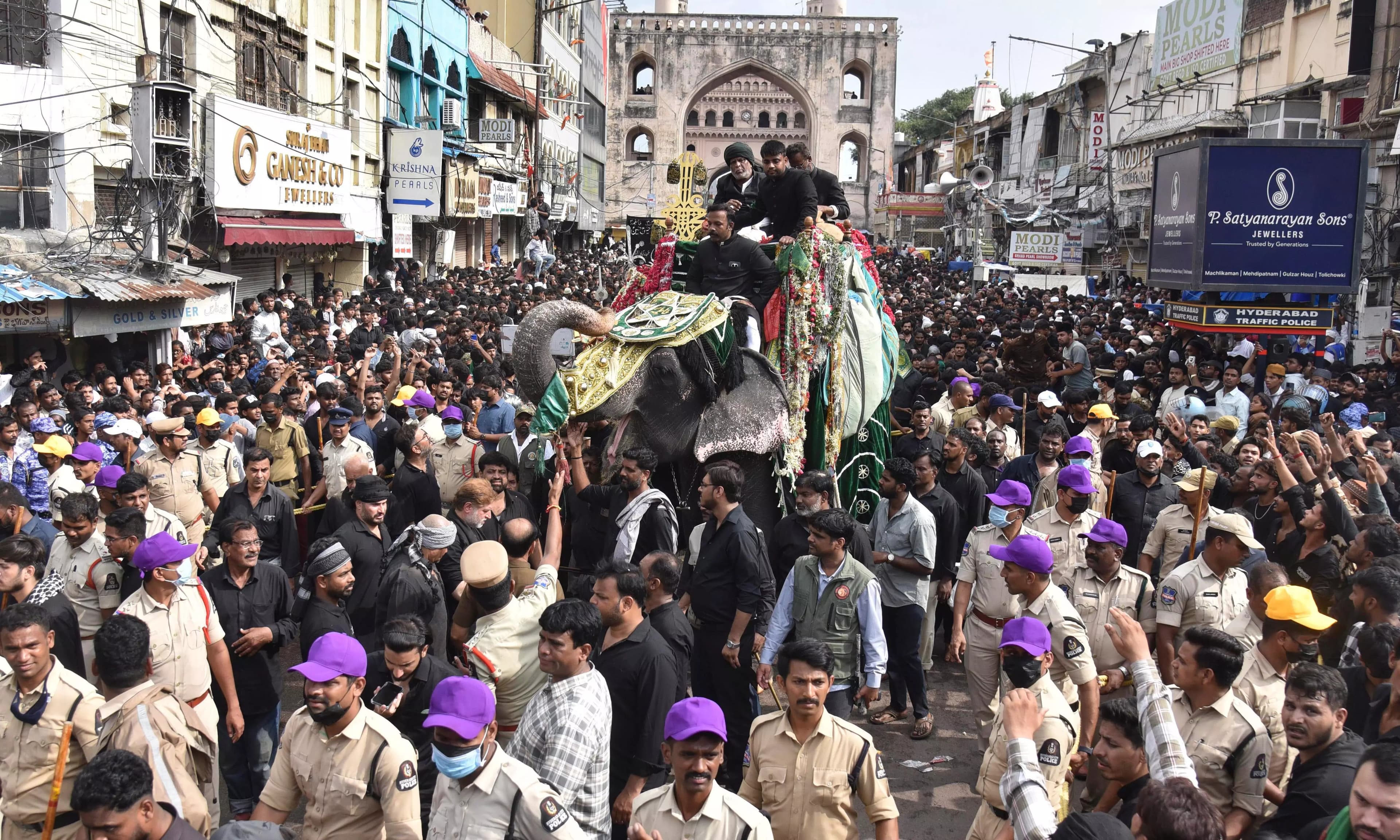
A major highlight of these festivities is the traditional tiger dance performed by members of the Adivasi community. This vibrant performance adds a unique cultural layer to the solemnity of the occasion, attracting many spectators as villagers transport the Peerilu between settlements to continue the legacy established by their forefathers.
Community Participation and Sacred Rituals
On June 25, the village of Chinchughat became a focal point for these celebrations as Peerilu from Chinthalbhori, Tekidigudem, Chinna Chinchughat, and Pedda Chinchughat were brought together. Residents performed the traditional Assaydhoola ritual around the gudem, creating a festive environment. According to local resident Mesram Purushotham, the community maintains these practices diligently, including the offering of Udu Dhoopam—known as Dhupera in the Gondi language—accompanied by the prayers of Mujawar Sulthan. Devotees also share traditional meals, including Malinda Muddalu and kichidi.
Many of these villages feature Savari Bungalows, which serve as sacred repositories for the Peerilu or Savarilu once the Muharram observances conclude. Devotees often tie the Datti to the Peerilu as a sign of their faith. Political leaders frequently visit these sites to participate in the local events, showing the widespread significance of these rituals. Notable observances also take place in regions such as Ruyyadi in Talamadugu mandal, as well as Kanchanpalli, Gonduguda, Boddiguda, Anji, and Ankoli, illustrating the deep roots of Muharram traditions across the landscape of the former Adilabad district.