World Cup 2026: Addressing Risks of Domestic Violence During the Tournament
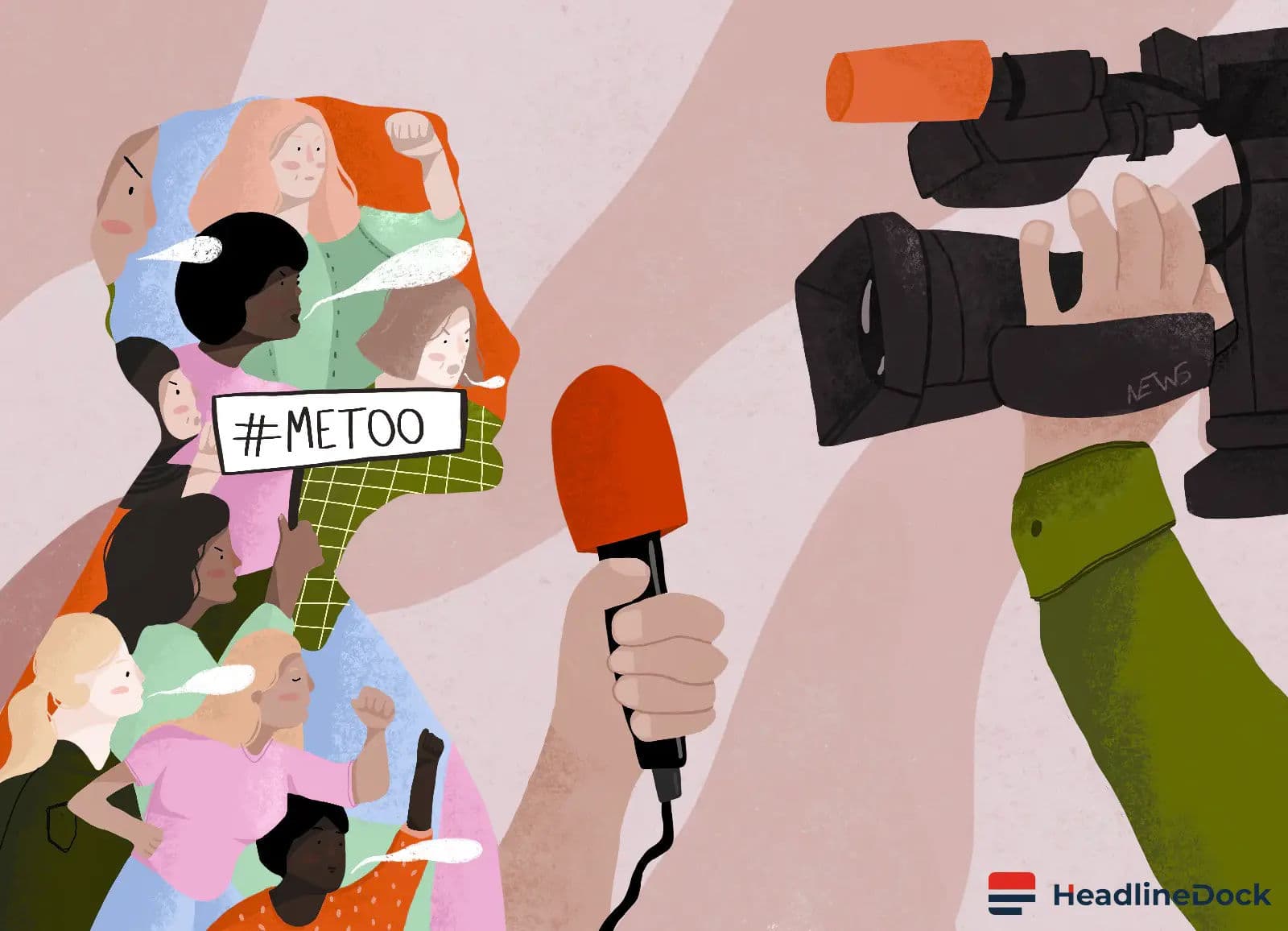
The 2026 FIFA World Cup, while a major sporting celebration, has raised concerns regarding potential increases in domestic violence. Authorities and organizations across host nations have implemented dedicated support services and awareness campaigns to ensure the safety of women throughout the tournament.
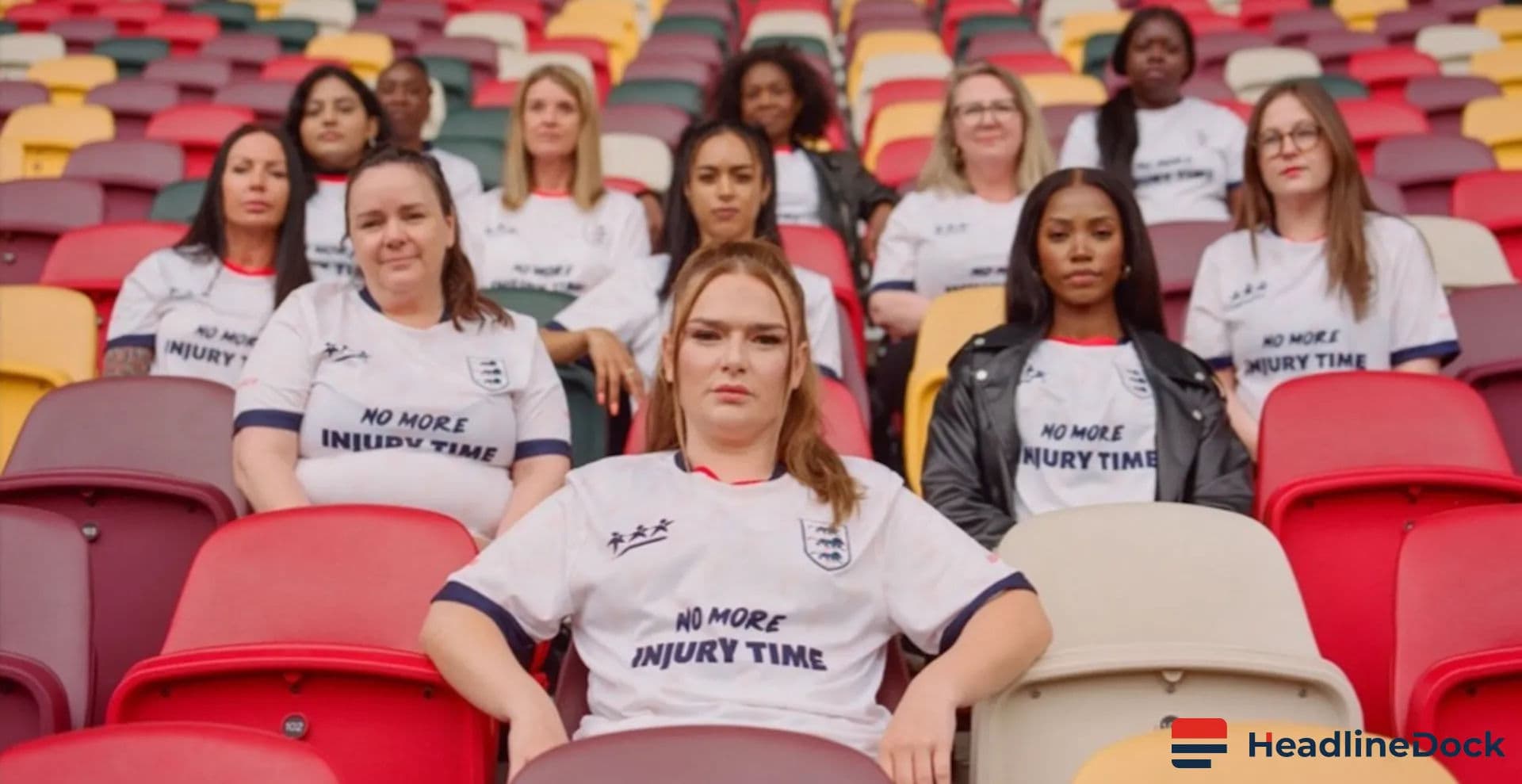
Highlights
- •Major sporting events like the World Cup are historically linked to spikes in domestic violence.
- •The expanded 2026 tournament format increases the number of matches, potentially escalating risks.
- •Host nations have established 24/7 helplines and coordinated awareness campaigns to protect vulnerable individuals.
- •Associations are implementing reporting systems in public viewing areas to support and protect female fans.
The 2026 FIFA World Cup, currently being hosted across Canada, Mexico, and the United States, has generated immense global excitement. However, concerns regarding a potential rise in domestic violence linked to this major sporting event have prompted authorities and various organizations to launch protective initiatives. Studies consistently indicate that significant football tournaments often see a troubling increase in cases of intimate partner violence.
Rising Concerns Over Domestic Violence During World Cup 2026
Research suggests that domestic violence rates often climb during major football competitions. Investigations conducted in the United States, particularly involving the National Football League (NFL), have shown spikes in reported incidents on match days. Furthermore, data from the United Kingdom regarding previous international tournaments reveals that domestic abuse cases can surge by up to 38% depending on the outcome of a match. This trend appears consistent globally, with major sporting events frequently serving as a catalyst for heightened aggression within households.
Several factors, including the consumption of alcohol and the intensification of emotions surrounding the games, contribute to this phenomenon. The 2026 World Cup introduces a new, larger format featuring 48 national teams and 104 total matches, extending over five weeks. This increased volume of televised games could potentially heighten the risks associated with domestic violence. Additionally, the high costs of tickets and travel, which may exclude some fans from attending, are identified as potential sources of frustration that could manifest as aggression.
Protective Measures and Awareness Campaigns
In response to these risks, the host nations—Canada, Mexico, and the United States—have collaborated on comprehensive awareness campaigns titled, \"Violence against women is not a game.\" These initiatives ensure that support services, such as 24/7 helplines, are accessible to those in need throughout the tournament. Various national networks have reinforced their commitment to providing shelter and guidance to victims.
Across Europe, particularly in the United Kingdom, organizations such as Women’s Aid have introduced impactful campaigns to highlight the dangers faced by many women during match broadcasts. Their messaging specifically addresses the \"other kick-off time,\" referring to the hours when supporters typically return home after matches. In France, the association Her Game Too has implemented specialized training and reporting mechanisms within bars and public venues to support female fans. These efforts underscore a growing societal awareness that the passion for football must be balanced with safety and respect for all individuals, ensuring that the celebration of the 2026 World Cup does not come at the cost of human welfare.