Why South Africa’s Anti-Migrant Campaigns Pose a Serious Democratic Threat
Anti-migrant campaigns in South Africa are using democratic language to justify the exclusion of foreigners. By blaming migrants for socioeconomic hardships, these groups risk normalizing violence and ignoring the deeper structural failures currently affecting the nation.
Highlights
- •Anti-migrant campaigns in South Africa are increasingly using democratic language to justify the exclusion of foreigners.
- •Protest groups link socioeconomic hardships like unemployment and crime directly to the presence of undocumented migrants.
- •Vigilante actions have led to dangerous consequences, including the targeted harassment and death of migrants.
- •Experts argue that addressing structural economic issues is essential to prevent the rise of xenophobic scapegoating.
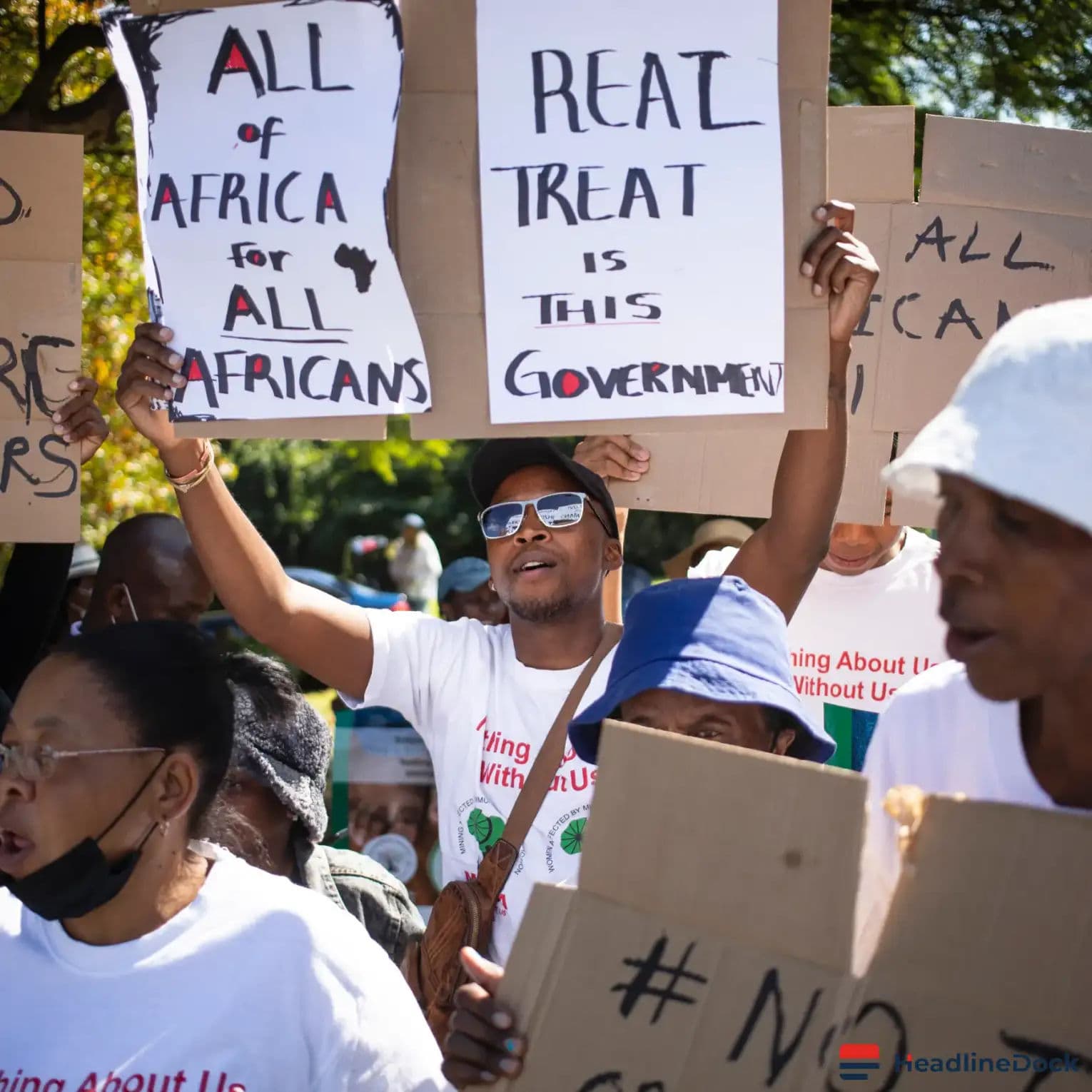
In South Africa, a growing number of anti-migrant campaigns are increasingly utilizing the rhetoric of democracy to frame their activities as legitimate forms of community protection. By appealing to public anxieties regarding unemployment, rising crime, and the deterioration of public services, organizers are effectively directing socio-economic frustration toward the nation’s migrant population. This trend, while cloaked in the language of civic duty, represents a dangerous escalation in exclusionary politics.
Campaign leaders argue that inadequate border enforcement and the presence of undocumented migrants are central to the country’s current hardships. Under labels such as "clean-ups" or "community safety initiatives," these groups have actively targeted foreign-owned businesses and individuals. These actions, which often cross into vigilantism, include citizens' arrests and the forced closure of shops, deepening social divisions and increasing the risk of physical violence.
The Impact of Anti-Migrant Mobilization
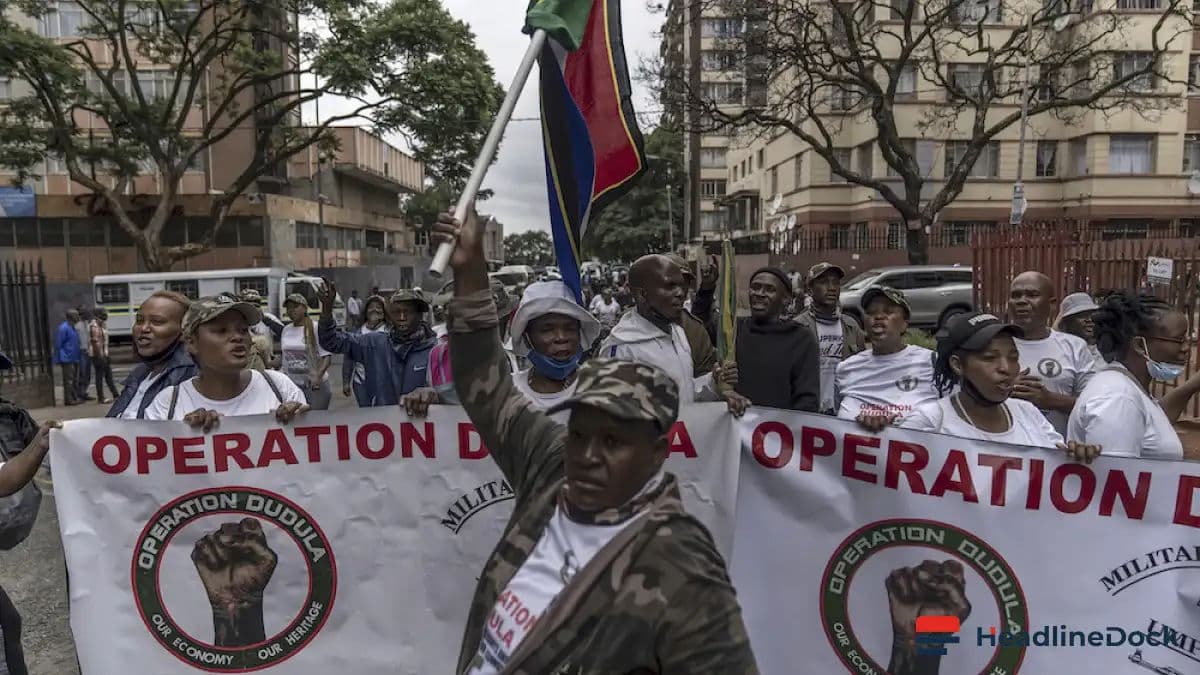
The rise of these anti-migrant campaigns is not an isolated phenomenon but rather a continuation of long-standing patterns of xenophobic tension that have persisted since the mid-2000s. Organizations such as Operation Dudula and the March and March group in Durban have successfully mobilized public support by simplifying complex structural problems into a single, harmful narrative: that migrants are the primary obstacle to the prosperity of local citizens.
The consequences of this rhetoric are severe. As seen in the tragic killing of Elvis Nyathi in Diepsloot, when segments of the population are systematically labeled as outsiders or threats, it creates an environment where violence becomes an accepted tool for enforcing community boundaries. By positioning the exclusion of migrants as a democratic right, these campaigns mask the underlying issues of poor governance, economic inequality, and stagnant growth that actually drive the nation’s struggles.
Experts and researchers note that the thin line between community advocacy and organized exclusion is dangerously permeable. Once society begins to normalize the policing of who belongs based on nationality, it sets a precedent that can eventually be turned against any vulnerable group. This was starkly demonstrated during the 2008 xenophobic violence, where the victims of such sentiment included many South African nationals alongside migrants.
To address this, observers emphasize that the focus must shift toward structural solutions that tackle poverty and unemployment for everyone. Treating the migrant population as a scapegoat for broader socio-economic failures ultimately weakens the security and social fabric of the entire country. Promoting solidarity between working-class residents and migrants, rather than encouraging division, remains the most viable path toward achieving lasting peace and stability in South Africa.