The Evolution of the Fan-Zone: From Security Tool to Global Phenomenon
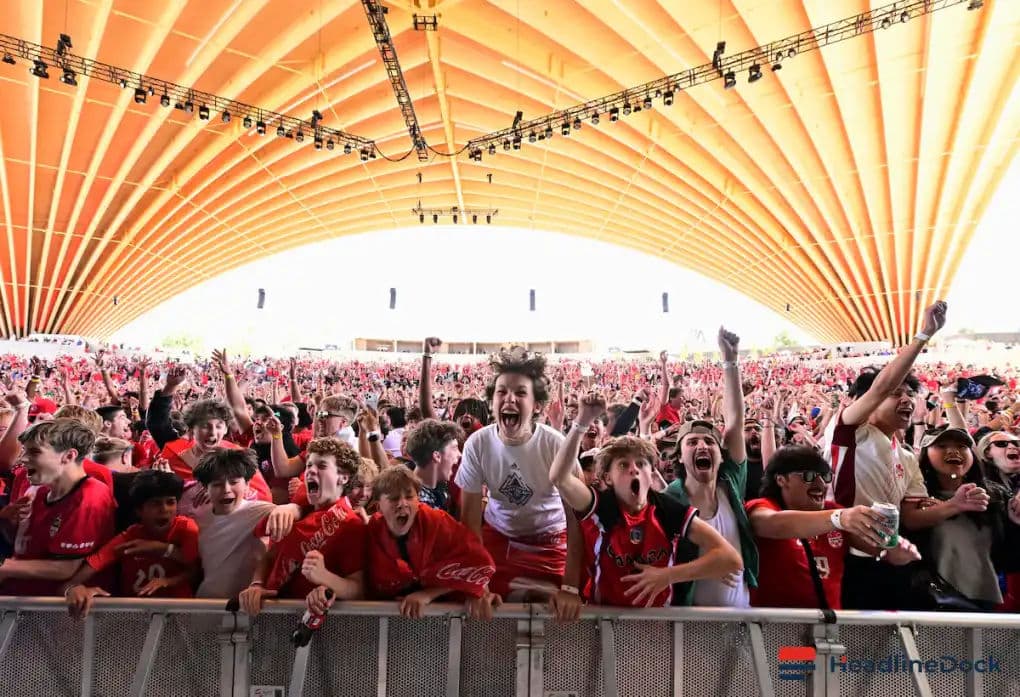
The fan-zone has evolved from a security measure in the 1990s into a diverse, commercialized space for sports spectators. While institutional versions remain popular for crowd management, fans are increasingly creating their own informal gathering spaces for major international sporting events.
Highlights
- •The concept of the fan-zone originated in the 1990s as a security and engagement strategy for major sports.
- •Institutional fan-zones serve to manage crowd safety, generate revenue, and boost marketing for host cities.
- •Supporters have increasingly appropriated the term for spontaneous, informal gatherings during events like the Tour de France.
- •Commercialization by bars and agencies has led to a wider, more varied application of the term across the industry.
In recent years, the fan-zone has emerged as a central component of major international sporting events. While the term is frequently used by organizers, media outlets, and local authorities, it often encompasses a diverse range of environments and experiences, leading to some confusion regarding its exact definition. These designated areas, intended for supporters to gather, have evolved significantly since their inception.
Understanding the Evolution of the Fan-Zone
The concept of the fan-zone initially surfaced during the 1990s, gaining prominence in Formula 1 racing to enhance spectator engagement and during the 1992 UEFA European Championship in Sweden as a security measure to mitigate hooliganism. By the time of the 2008 European Championship, these spaces were strategically designed to maintain public order through enjoyment. Their popularity surged globally, particularly following the 2016 UEFA European Championship in France and the 2018 FIFA World Cup.
Historically, organizers and host cities have implemented these zones to serve four primary purposes: managing crowd safety, increasing marketing attractiveness, generating commercial revenue through services like food and merchandising, and fostering social inclusion for those without event tickets. As such, they are effectively utilized as tools for the securitization and commercialization of large-scale athletic spectacles.
Shifting Perceptions and Informal Gatherings
However, the contemporary application of the term has expanded well beyond its initial institutional roots. Supporters have begun to adopt the language of the fan-zone to describe independent, informal gatherings that occur spontaneously along race routes or trails, such as those famously seen during the Tour de France. This shift indicates that the concept is gradually breaking free from its strictly regulated, institutional definition.
Furthermore, the fan-zone model is now heavily commercialized. Economic actors, including event management agencies, equipment rental companies, and local bars, frequently market their own versions of these spaces. By offering services like giant screens and refreshments, they tailor the experience to a broader audience, including initiatives such as specialized children's zones. Because of this widespread usage by varied entities, establishing a single, precise definition has become increasingly difficult for both researchers and the general public.
To better understand this phenomenon, it is useful to categorize these spaces into two primary types: institutional zones, which are officially sanctioned by event organizers or host cities, and informal zones, which arise spontaneously or through grassroots organization by fans themselves. Recognizing this distinction helps clarify the complex landscape of how communities connect with major international sporting events today.