The Drawer Problem: Why We Keep Old Electronics and How to Recycle
A recent study highlights that most consumers store old electronics in drawers due to data security concerns and lack of knowledge. By following simple steps to wipe data and using available recycling or reselling programs, individuals can effectively manage their e-waste and support environmental sustainability.
Highlights
- •Most consumers choose to store their old electronics rather than recycle or resell them.
- •Data privacy concerns are a primary driver for keeping devices in drawers indefinitely.
- •Many users lack the knowledge of how to securely wipe data or locate recycling options.
- •Properly managing e-waste requires clearing account links and personal data before recycling or reselling.
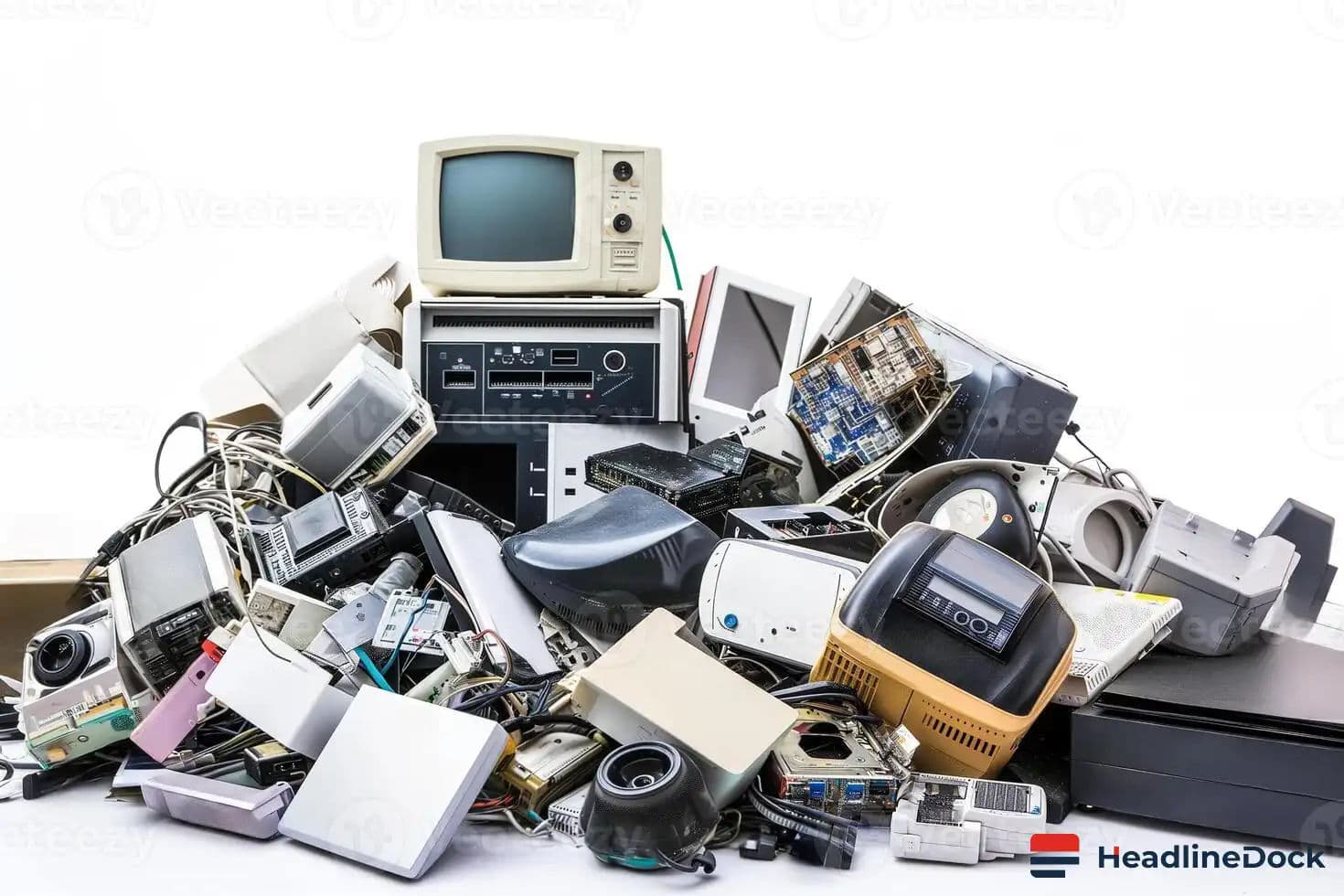
Have you ever wondered about the fate of your previous smartphone, tablet, or wearable tech? The reality for most people is that these gadgets do not reach a recycling facility or a new owner; instead, they are left to languish in a home drawer. This phenomenon, often termed the drawer problem, highlights a widespread issue regarding the lifecycle of consumer electronics and our collective tendency to store rather than discard or recycle them.
Research involving a survey of 4,000 American consumers reveals that storage is the most frequent outcome for retired devices, with 39% of participants opting to keep them. In contrast, only about 10% of users choose to recycle or resell their electronics—actions that are significantly better for the environment. A small 9% of respondents admitted to throwing their old technology directly into the trash, a practice that poses risks to ecological health.
Understanding the Barriers to E-Waste Management
The persistence of the drawer problem is driven primarily by two major obstacles. The first is deep-seated anxiety regarding data security. Users frequently worry that selling or recycling a device might expose their personal information, leading them to store the gadget indefinitely as a form of protection. The second barrier is a lack of awareness about how to safely and effectively dispose of these items. Many consumers hold onto old electronics simply because they are unsure of the proper steps to clear their data or find convenient recycling programs.
It is important to recognize that the process for responsibly managing consumer electronics is more accessible than many realize. Major retail chains such as Best Buy provide dedicated recycling services, and various platforms like Back Market and Gazelle simplify the reselling process. Before parting with a smartphone or computer, users should focus on properly wiping their data and removing the device from their personal accounts, such as Apple or Android portals. Neglecting these steps can keep the device locked and unusable for future owners.
When modeling these behaviors, it becomes clear that perceived data security worries often cause users to store devices at higher rates than they initially intend. The decision to hand off a device to a recycler often triggers a realization of these privacy concerns. Furthermore, while knowing where to recycle increases the likelihood of proper disposal by 47%, it sometimes diverts individuals away from the more sustainable practice of reselling. Addressing these barriers through better information and clear guidance is essential for encouraging more people to move beyond the drawer and give their old technology a new life.