The Congress Party: Navigating Declining Influence and Evolving Opposition Dynamics
As the Congress party navigates a decline in its traditional influence, it is attempting to consolidate a diverse opposition alliance. By addressing public concerns like unemployment and examination scandals, the party aims to build a viable alternative to the BJP ahead of the 2029 general elections.

Highlights
- •The Congress party is working to consolidate a diverse opposition bloc while facing challenges to its historical political influence.
- •Strategic partnerships with regional forces like the TVK and efforts to collaborate with the TMC highlight a shift in coalition-building.
- •Public grievances concerning examination integrity, inflation, and unemployment are central themes currently impacting the political discourse.
- •Building a sustained and cohesive anti-BJP alliance ahead of the 2029 general election remains the party's primary strategic objective.
The Congress party, once a dominant force in Indian politics, is currently navigating a period of significant introspection as its traditional influence appears to be waning. Despite its enduring presence and its current role as the principal Opposition in the Lok Sabha, the party is tasked with steering a diverse and often fractious bloc of regional parties and the combined Left, including its long-standing political rival in Kerala, the CPI(M).
Shifting Political Dynamics and Strategic Alliances
Recent electoral outcomes, particularly the pivotal results in West Bengal and Tamil Nadu, have necessitated a realignment of political strategies. The Congress demonstrated tactical flexibility by forming a partnership with the TVK, led by C. Vijay. This alliance was solidified through the sharing of ministerial positions and a Rajya Sabha seat, driven by a shared ideological opposition to the BJP. Simultaneously, the party has sought to provide moral support to Mamata Banerjee and the Trinamool Congress (TMC) following their defeat in West Bengal, marking a notable shift in inter-party relations.
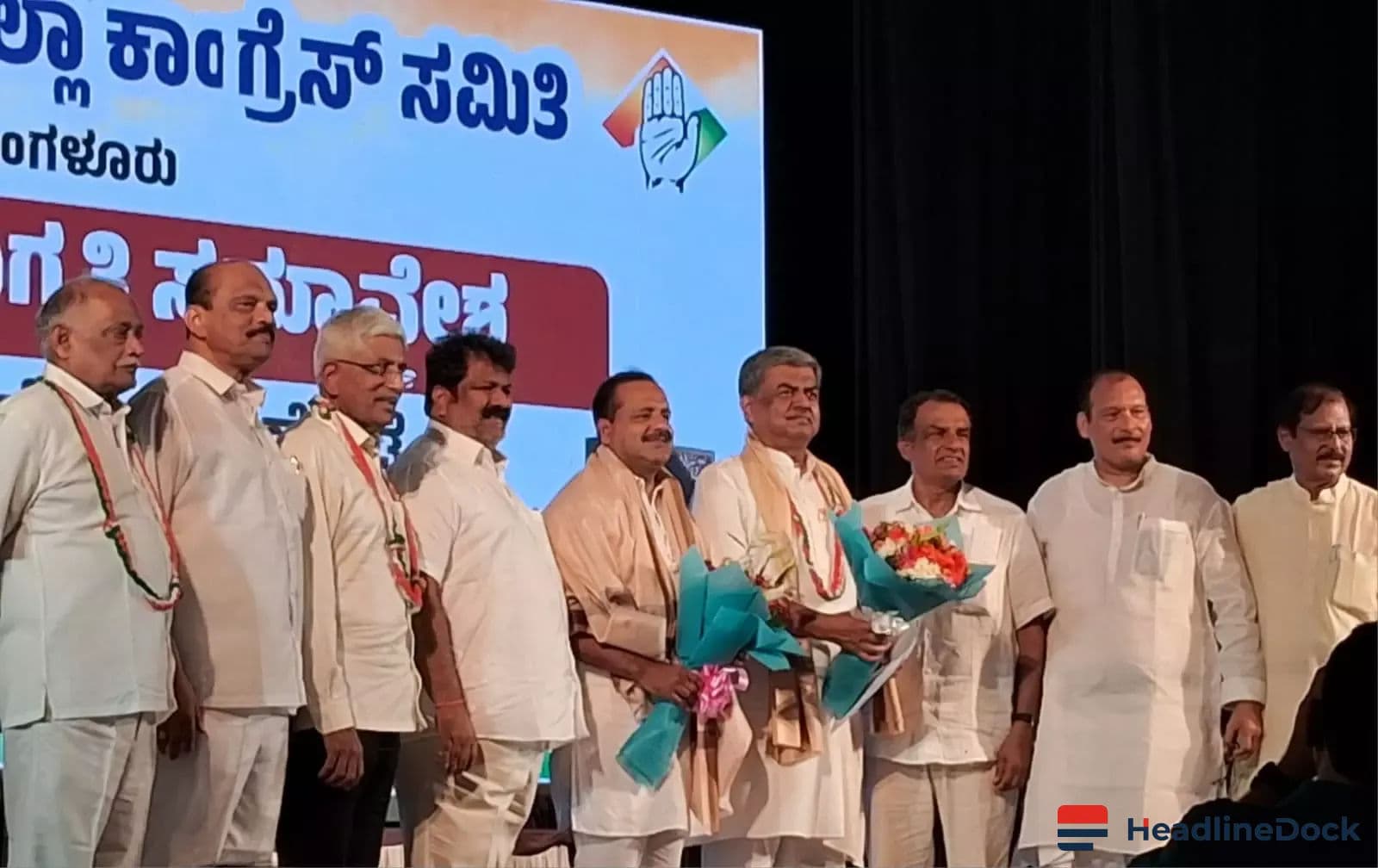
The Congress has also experienced a proactive phase, reflected in its electoral recovery in Kerala, the smooth leadership transition in Karnataka involving D.K. Shivakumar, and the consolidation of opposition forces. However, observers note that the party’s historical tendency to struggle with sustained alliance management and its leadership’s reliance on the personal agenda of Rahul Gandhi could pose risks to the longevity of these new political alignments.
Addressing National Concerns and Future Challenges
Beyond internal organizational matters, the party is attempting to tap into public sentiment regarding national issues. There is growing scrutiny surrounding the BJP-led government’s handling of several crises, including the NEET and CBSE examination scandals of 2026, concerns over food inflation, unemployment, stagnant wages, and the broader economic landscape. The emergence of the Cockroach Janta Party, which gained traction through critiques of educational policies and examination integrity, highlights the public’s frustration.
Looking ahead to the 2029 general election, the success of the Congress in building a credible counter-consolidation against the BJP remains uncertain. While the BJP, which saw its parliamentary majority curtailed in 2024, is actively working to expand the NDA, the Congress and its partners represent the primary hurdle to these efforts. Whether the party can overcome its perceived leadership deficits and maintain a cohesive strategy to form a viable national alternative remains the central question for the future of Indian politics.