The Aftermath of the Hormuz Energy Crisis: A New Era for Energy Security
The reopening of the Strait of Hormuz following a US-Iran agreement marks the end of a four-month energy crisis. The conflict highlighted significant vulnerabilities in global supply chains and established energy infrastructure as a prime target in modern geopolitical warfare.
Highlights
- •The Strait of Hormuz has reopened following a US-Iran protocol mediated by Pakistan.
- •The crisis revealed that traditional OPEC spare capacity is ineffective when transit routes are blocked.
- •Energy infrastructure, including refineries and pipelines, is now being treated as a primary target in modern warfare.
- •Global focus is shifting toward decarbonization as a key strategy for ensuring national energy security.
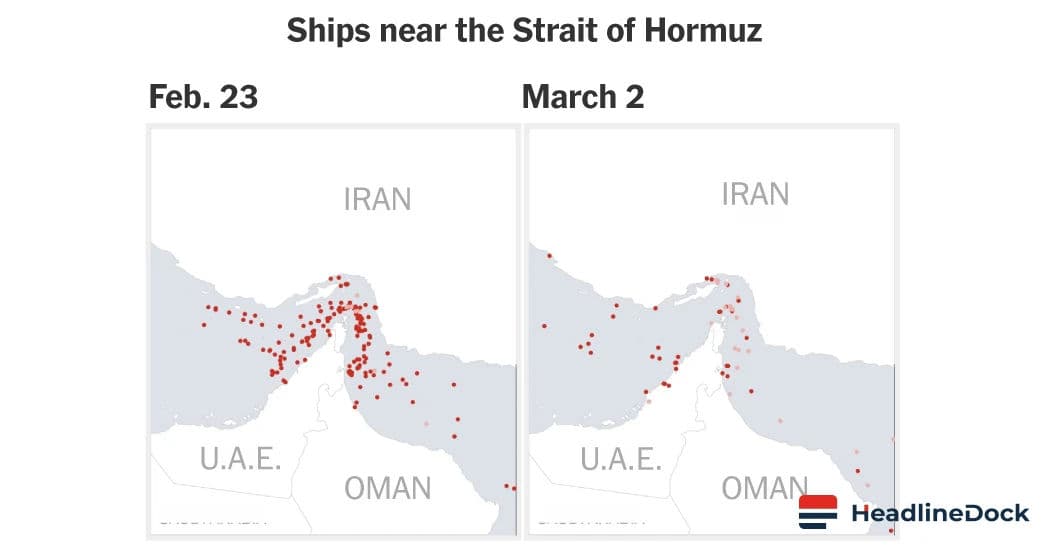
Following a diplomatic agreement mediated by Pakistan in mid-June 2026, the United States and Iran have officially concluded a protocol to end hostilities. The Strait of Hormuz, which had been closed to maritime traffic since February 28, has begun the process of reopening, leading to a stabilization in global oil prices. This resolution marks the end of four months of extreme volatility, prompting a comprehensive review of the Hormuz energy crisis and its lasting impact on the international energy landscape.
The Shift in Global Energy Security
For decades, energy markets relied on the assumption that OPEC could utilize its spare production capacity to mitigate supply disruptions. However, the recent closure of the Strait of Hormuz shattered this confidence. Because a significant portion of this reserve capacity—primarily located in Saudi Arabia, the United Arab Emirates, and Kuwait—was situated behind the blockade, it became inaccessible during the conflict. This event proved that traditional safety margins are ineffective when key transit routes are compromised.
Furthermore, the crisis highlighted the concept of weaponized interdependence. Iran utilized its geographical control over the strait not merely as a defensive measure, but as a deliberate lever to influence global flows. Experts describe this as a new era of rhéopolitique, where the ability to control, regulate, or interrupt logistics networks becomes a primary instrument of power, rather than the traditional focus on territorial conquest.
Infrastructure as a Modern Battlefield
The Hormuz energy crisis also underscores a dangerous transition in modern warfare: the systematic targeting of energy infrastructure. Following the conflict patterns seen in Ukraine, where critical electrical networks were targeted, the tensions in the Gulf saw dozens of energy sites—including refineries, gas terminals, and oil fields—become direct military objectives. Facilities from Iran to Kharg Island were hit, signaling that pipelines, refineries, and storage terminals are no longer protected assets but frontline targets in contemporary conflicts.
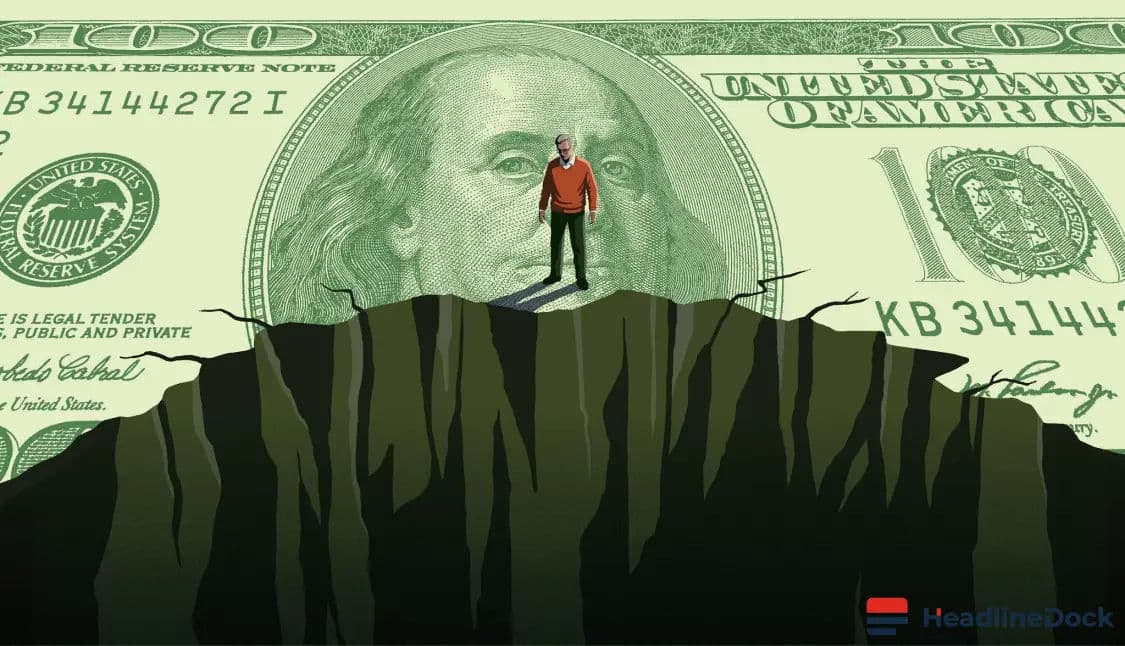
The economic fallout has been disproportionate, with many developing nations facing severe risks to food and energy security. While the United States, bolstered by its position as a major exporter, remained relatively shielded, the European market faced increased pressure and volatility. The reliance on alternative fossil fuel suppliers has only shifted dependencies rather than resolving them. Consequently, global stakeholders are increasingly viewing decarbonization as a vital component of national security. By investing in renewable energy, electrification, and energy efficiency, nations are seeking to build a resilient defense against future geopolitical shocks and volatile fossil fuel markets.