Telegram Restricted in India Ahead of NEET (UG) 2026 Re-Examination
The Indian government has restricted access to Telegram until June 22, 2026, to safeguard the NEET (UG) 2026 re-examination. Authorities have also mandated the disabling of the app's message-editing feature to prevent the spread of fraudulent content and ensure a fair testing environment.

Highlights
- •The Indian government has restricted access to Telegram until June 22, 2026.
- •The measure is implemented under Section 69A of the Information Technology Act.
- •Telegram must disable its message-editing feature in India until June 30, 2026.
- •The move aims to protect the integrity of the NEET (UG) 2026 re-examination.
In a significant move to ensure the integrity of upcoming academic assessments, the National Testing Agency (NTA) has announced that access to the Telegram application will be restricted across India. This decision, mandated by the Ministry of Electronics and Information Technology (MeitY), follows guidelines established under Section 69A of the Information Technology Act, 2000.
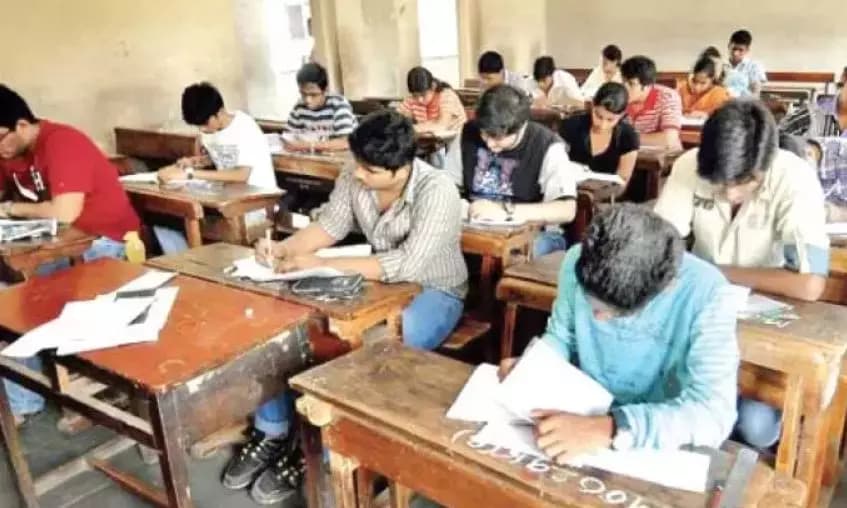
The primary driver behind this temporary blockage is the upcoming NEET (UG) 2026 re-examination. Authorities are aiming to mitigate risks associated with the potential misuse of digital platforms during high-stakes national tests. By limiting accessibility, officials hope to prevent the circulation of unauthorized or misleading information that could compromise the fairness of the testing process.
Restrictions and Timeline for NEET (UG) 2026
The restriction on the Telegram platform is scheduled to remain in effect until June 22, 2026, which encompasses both the date of the re-examination and the immediate period following the test. This proactive measure is part of a broader strategy to uphold the sanctity of the NEET (UG) 2026 examination process.
Furthermore, the government has directed the platform to disable its message-editing functionality for content already posted within India. This specific constraint is set to continue until June 30, 2026. The NTA has expressed concerns regarding the historical abuse of the editing feature, which has allegedly been utilized to generate fraudulent evidence of paper leaks after exams have already taken place.
By implementing these temporary digital safeguards, the NTA and MeitY seek to create a secure environment for students. The goal is to eliminate the spread of manipulated content and rumors that often circulate online, thereby ensuring that the NEET (UG) 2026 re-examination is conducted transparently and without external interference or digital sabotage.
This development highlights the growing focus on digital security in the administration of national-level competitive tests. As technology evolves, regulatory bodies are increasingly adopting stringent measures to protect the authenticity of academic evaluations and to maintain public confidence in the examination system.