Telegram Banned in India Until June 22 Over NEET 2026 Paper Leak Scare
The Indian government has temporarily restricted Telegram until June 22, 2026, to curb misinformation and fraudulent claims regarding the NEET UG 2026 examination. The NTA reported that the app's message-editing feature was misused to falsely suggest that exam papers had been leaked.

The central government has implemented a temporary restriction on the Telegram platform across India, remaining in effect until June 22, 2026. This decisive action was taken primarily to address growing concerns regarding the NEET UG 2026 examination process. The decision follows reports of various groups on the application being allegedly utilized to circulate false claims about leaked exam papers, creating unnecessary panic among students and their parents.
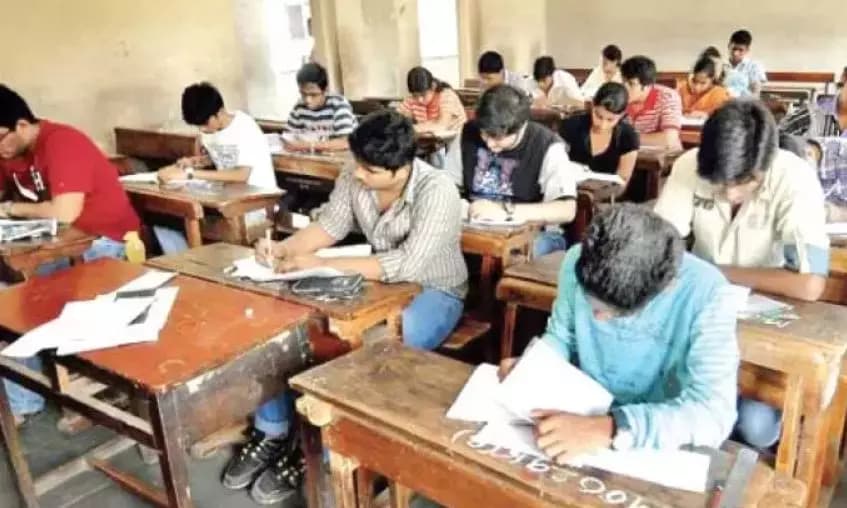
The National Testing Agency (NTA) has expressed support for this move, confirming that the directives are both calibrated and time-bound. By restricting access to Telegram in India, authorities aim to maintain the integrity of the upcoming NEET UG 2026 exam, which is scheduled to take place on June 21, 2026. This measure is intended to prevent any further disruption or fraudulent activity leading up to the examination date.
Understanding the Misuse of Telegram Features
The core issue driving this decision involves the reported misuse of the messaging application's editing functionality. According to the NTA, administrators of certain channels were able to modify previously sent messages without updating the original timestamp. This vulnerability allowed bad actors to add PDF files or other documents to older posts, misleading users into believing that legitimate question papers had been leaked after the examination had already concluded.
These specific channels, often operating under suspicious names such as “PAPER LEAKED NEET” or “Re-NEET 2026,” were reportedly used to exploit students by promising access to exam materials in exchange for money. Under the authority granted by Section 69A of the Information Technology Act, 2000, the government has mandated that Telegram must disable the message-editing feature for existing content in India to mitigate these risks. These restrictions are currently slated to expire on June 22, 2026, though related administrative timelines extend through June 30, 2026.
Why Telegram Faces Continued Scrutiny
Telegram has frequently been identified as a platform involved in various illegal activities, ranging from the distribution of unauthorized content to serving as a hub for cyber scammers. The platform's ease of account creation, combined with the ability to form massive groups with thousands of members, makes it a preferred tool for individuals seeking to disseminate misinformation or conduct illicit transactions. By limiting its functionality during this critical examination window, the government is taking proactive steps to safeguard the testing environment for all candidates. The NTA has reinforced its stance by clarifying that actual exam question papers are maintained within a highly secure and protected system, dismissing claims of real leaks circulating on these platforms.
,curated_key_highlights:[