Telangana Faces Severe Water Deficit as Major Rivers Run Dry
Telangana is confronting a severe water shortage as upstream rainfall in Maharashtra and Karnataka remains critically low. Officials are prioritizing drinking water supplies and preparing for a long-term deficit, with major irrigation projects currently unable to store adequate water for the upcoming season.
Highlights
- •Telangana faces a severe water deficit due to low rainfall in Maharashtra and Karnataka.
- •Drinking water supply is prioritized over irrigation as major rivers experience minimal inflows.
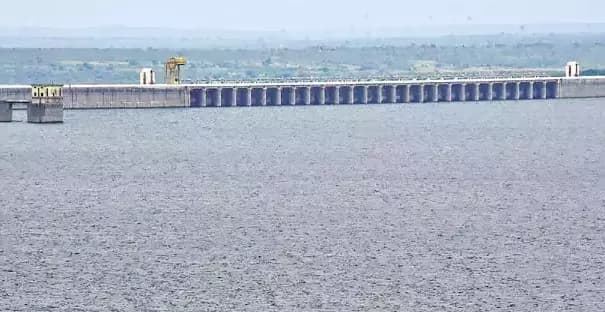
- •Structural issues at the Medigadda barrage prevent water storage despite potential seasonal flow.
- •Officials are planning for a worst-case scenario to ensure water availability for the next 14 months.
Telangana is currently bracing for a severe water deficit as the state faces challenging conditions regarding its essential water resources. The outlook for the Krishna and Godavari rivers remains bleak, largely due to significantly low rainfall in the upper reaches of neighboring states, Maharashtra and Karnataka. As of June 18, 2026, these upstream regions are reporting cumulative rain deficits of approximately 70 percent and 35 percent, respectively, with no immediate signs of improvement.
Water Security and Resource Management
The primary concern for officials is ensuring a consistent drinking water supply for the population, which remains the top priority. Agricultural needs have taken a backseat, as there is currently insufficient water in the state's canals to support farming activities. Senior government officials have indicated that the current kharif season may see a significant reduction in irrigation, with the potential consideration of declaring a crop holiday to conserve vital water resources.
Although current reservoir levels are marginally better compared to the same period last year, authorities are planning for a worst-case scenario. The state must manage its existing water reserves to last up to 14 months, ensuring there is enough to sustain drinking water requirements even if the monsoon fails to provide adequate fresh inflows. The current 28.09 percent rain deficit within Telangana itself further complicates these efforts.
Infrastructure and Future Projections
The situation in the upper and middle sections of the Godavari and Krishna river basins is described as precarious. Projections suggest that even under best-case monsoon scenarios, storage capacities remain limited. For instance, the Medigadda barrage on the Godavari, which would typically be a major storage point, remains incapable of holding water due to structural damage sustained in October 2023.
Similarly, major projects like the Jurala, Srisailam, and Nagarjunasagar dams are expected to receive only nominal inflows. Officials have issued a stern warning against complacency. While some regions, such as Khammam, may have witnessed minor, sporadic rainfall, these are isolated events and should not be misinterpreted as a sign of a robust monsoon. Constant vigilance and prudent water management remain essential to navigate the upcoming months successfully.