Tamil Nadu Excise Revenue Lags Behind Karnataka and Maharashtra, Report Finds
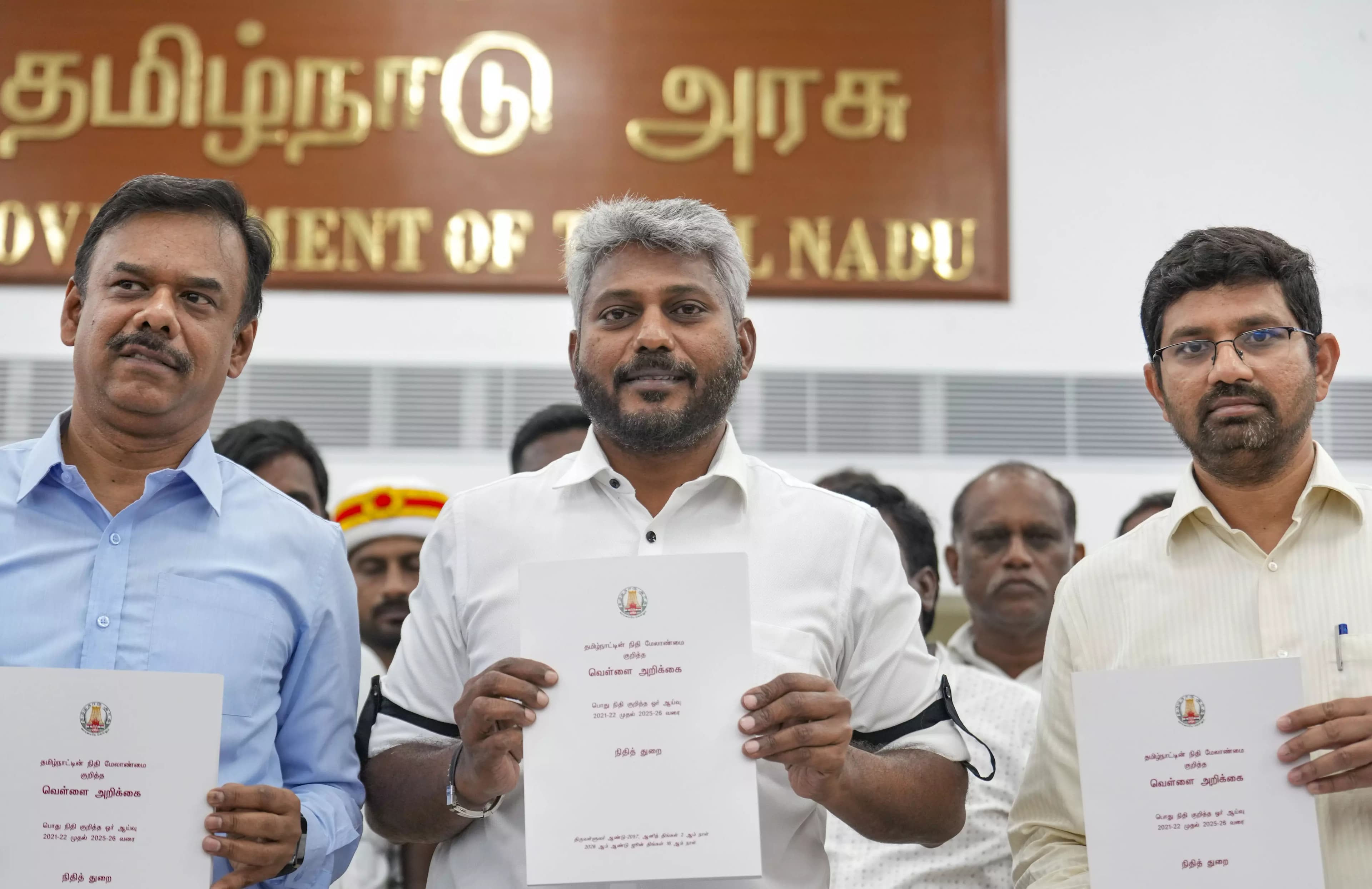
A government white paper reveals that Tamil Nadu's excise revenue is significantly lower than that of Karnataka and Maharashtra. With the slowest growth rate among these states, the findings highlight a critical gap in the state's overall tax revenue performance.
Highlights
- •Tamil Nadu's excise collection of Rs 11,836 crore is significantly lower than Karnataka (Rs 41,000 crore) and Maharashtra (Rs 34,170 crore).
- •The state experienced a slower excise revenue growth rate of 9.49% compared to its peers.
- •The excise revenue gap is considered a major factor impacting the overall State Own Tax Revenue (SOTR).
- •Excise duties and VAT on liquor continue to contribute 26% of Tamil Nadu's total tax revenue.
A recent official white paper published by the Tamil Nadu government has revealed a significant disparity in state excise revenue when compared to neighboring states like Karnataka and Maharashtra. The report indicates that Tamil Nadu's excise revenue is currently lagging, trailing behind these peer states in both absolute collection figures and growth rates.
For the fiscal year 2025-26, the data highlights clear differences in fiscal performance across the states. Karnataka reported an excise collection of Rs 41,000 crore, while Maharashtra recorded Rs 34,170 crore. In contrast, Tamil Nadu trailed significantly with an excise collection of Rs 11,836 crore, marking it as the lowest absolute collection among the three compared jurisdictions.
Analyzing Revenue Trends and State Financial Position
The comparative analysis further illustrates varying trajectories in revenue growth. Karnataka demonstrated a compound annual growth rate (CAGR) of 11.66 per cent, and Maharashtra saw a more robust growth of 18.69 per cent. Meanwhile, Tamil Nadu recorded a slower growth pace of 9.49 per cent. Economists and policymakers often view the state excise base and its expansion as critical indicators of fiscal health.
Because Tamil Nadu possesses the smallest excise base and the slowest growth velocity among its peer states, this revenue gap is identified as one of the most substantial areas requiring attention within the broader scope of the state’s State Own Tax Revenue (SOTR). Finance Minister Marie Wilson formally presented the white paper, which scrutinized the fiscal management practices inherited from the previous DMK administration.
Despite this comparative underperformance, it is important to note the weight of this sector on the state's budget. Combined figures for state excise duties and VAT on alcohol still account for approximately 26 per cent of the SOTR. This indicates that the performance of liquor-related tax revenue remains a highly consequential factor in determining the state's overall financial stability and fiscal autonomy.
The white paper serves as a diagnostic tool intended to pinpoint inefficiencies in revenue generation. By highlighting these figures, the government aims to focus on fiscal reforms to address the lagging excise revenue collections and improve overall economic performance relative to its neighboring regional economies.