Supreme Court Declares Fundamental Right to Walk on Demarcated Footpaths
The Supreme Court has declared that walking on a demarcated footpath is a fundamental right under Article 19 and 21. The ruling mandates that civic authorities prioritize pedestrian infrastructure over motorized vehicle movement and grants citizens rights to seek compensation for lapses.
Highlights
- •The Supreme Court ruled that walking on a demarcated footpath is a fundamental right.
- •This right is protected under Article 19(1)(d) and Article 21 of the Indian Constitution.
- •Civic bodies like municipal corporations have a mandatory duty to construct and maintain pedestrian infrastructure.
- •Violations of this right allow citizens to seek legal remedies separate from the Motor Vehicles Act.
In a landmark judicial pronouncement, the Supreme Court has officially recognized that the fundamental right to walk on a demarcated footpath is a constitutionally protected guarantee. This significant legal development establishes that pedestrian access is a primary entitlement, taking precedence over the movement of motorized vehicles on designated paths.
The bench, comprising Justices PS Narasimha and AS Chandurkar, clarified that this entitlement is deeply rooted in the broader right to movement under Article 19(1)(d), alongside Article 21, which covers the right to life and liberty. The ruling emerged from a tragic motor accident compensation case involving the death of a five-year-old child.
Establishing the Fundamental Right to Walk
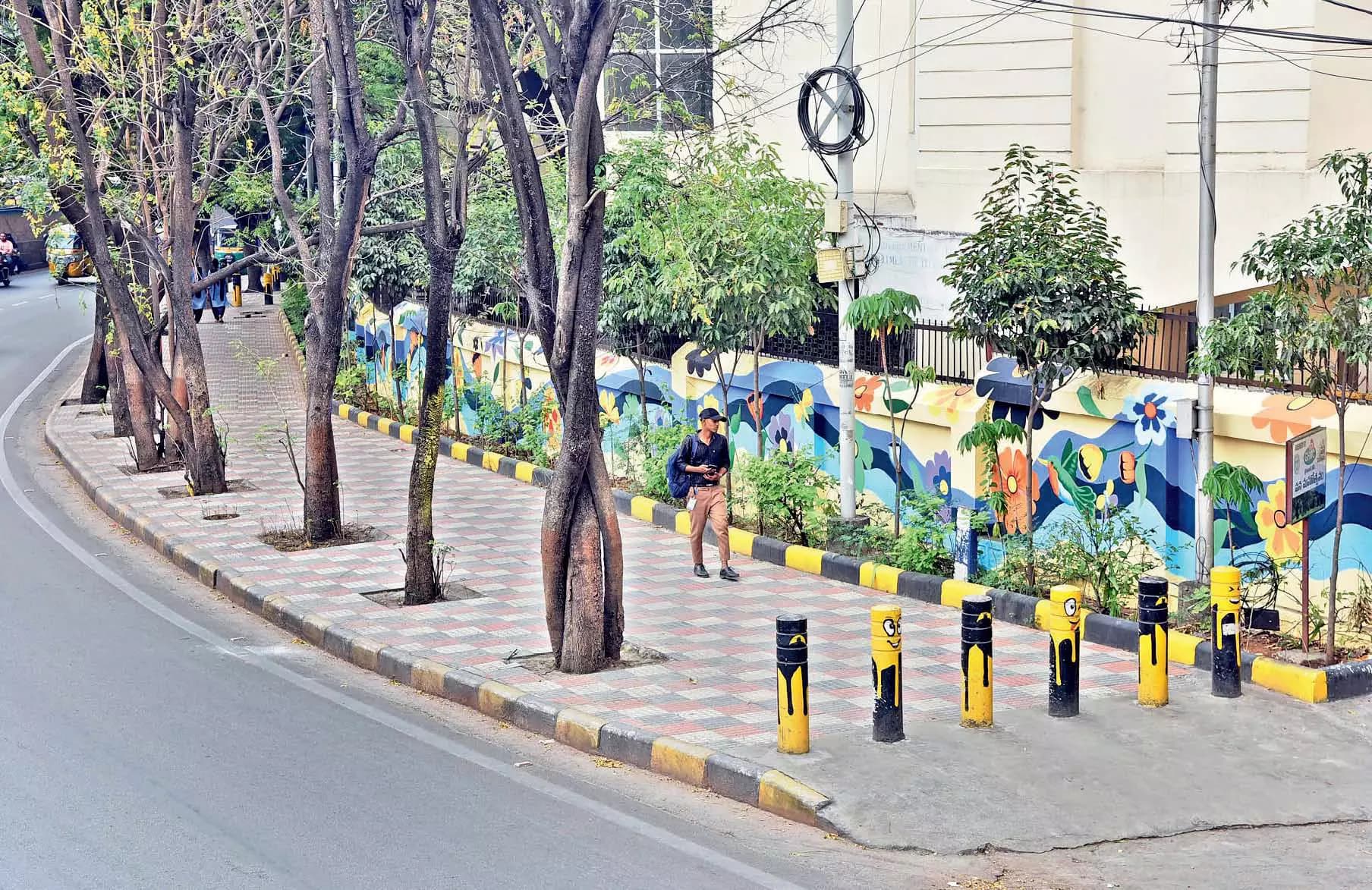
The court underscored that the fundamental right to walk precedes the advent of modern motorized transportation. By formalizing this, the judiciary emphasized that whenever a road is constructed, there exists a mandatory duty for urban development authorities, municipal corporations, and panchayats to ensure that safe, well-maintained footpaths are provided for pedestrians. This is not merely an incidental feature but a core responsibility of civic duty bearers.
Furthermore, the Supreme Court highlighted that citizens now possess the legal standing to pursue constitutional remedies against authorities if these pedestrian infrastructures are neglected or absent. This avenue for seeking restitution and compensation is distinct from claims handled under the existing Motor Vehicles Act, 1988.
The bench observed that the current Motor Vehicles Act has historically treated pedestrians as an afterthought, prioritizing the convenience of motorized transport. The court noted that in many instances, motorized traffic has pushed walkers aside, treating them as a nuisance. This judicial directive aims to shift that paradigm, ensuring that the human element is no longer treated as secondary to machine-based infrastructure.
In the specific case before them, the court set aside a previous high court order and increased the compensation to Rs 11,44,628 for the father of the deceased child. The court has directed its registry to formalize this matter under the title "Re: Fundamental Right to Walk and Footpath" and has formally impleaded the central ministries, including the Ministry of Housing and Urban Affairs and the Ministry of Road Transport and Highways, to facilitate the development of an appropriate legal framework.
This ruling signals a transformative shift in urban planning and legal priority, mandating that the fundamental right to walk must be safeguarded alongside all road infrastructure projects moving forward.