South Coast Railway Zone Launches: A Gateway to Improved Connectivity in Andhra Pradesh
The South Coast Railway Zone's operationalization in Visakhapatnam is set to improve regional connectivity and streamline administrative processes in Andhra Pradesh.
Highlights
- •South Coast Railway Zone commenced operations on 5 June 2026, marking a significant milestone for Andhra Pradesh.
- •Union Minister Kinjarapu Ram Mohan Naidu unveiled the SCoR name board at AS Peta railway track in Ichapuram.
- •The Waltair Division was bifurcated to form Rayagada and Visakhapatnam divisions within the new zone.
- •Operational improvements are expected, focusing on enhanced service levels and administrative efficiency.
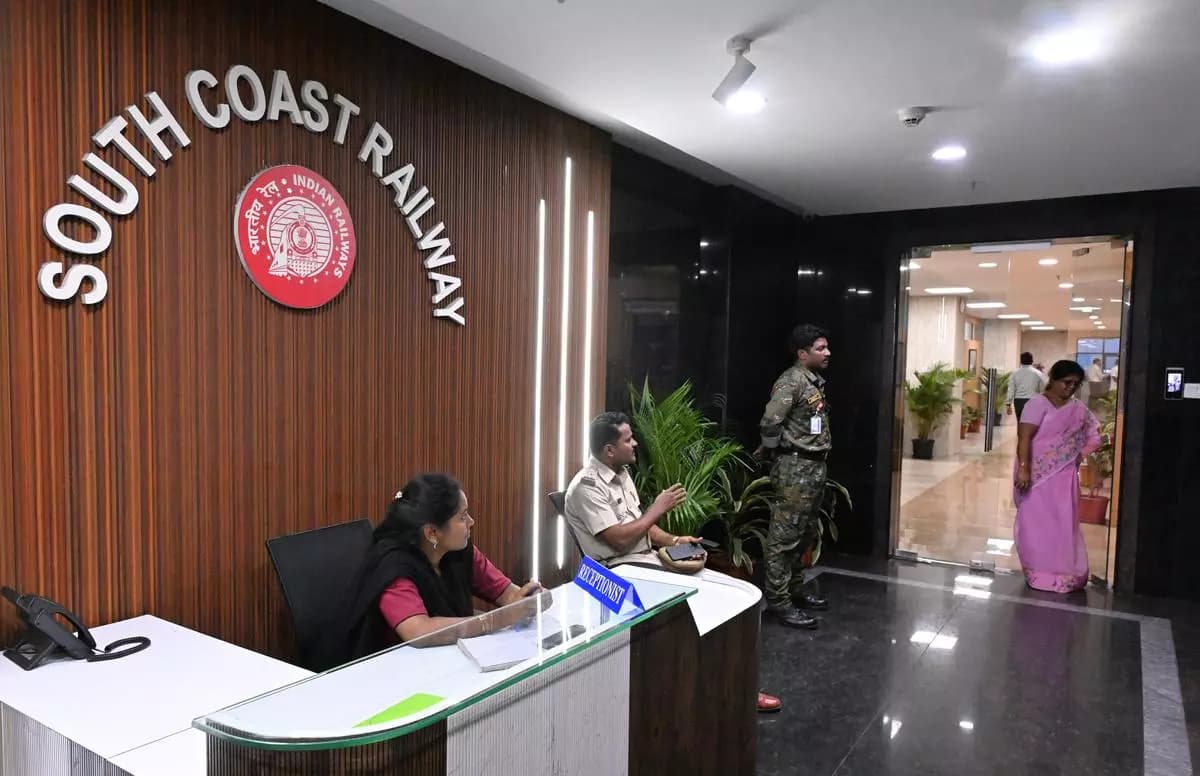
Visakhapatnam, 5 June 2026 — The newly formed South Coast Railway Zone (SCoR), headquartered in Visakhapatnam, commenced operations on Monday. This significant milestone marks the 18th zonal railway within India's vast network and fulfills a long-standing demand of Andhra Pradesh citizens.
Union Minister for Civil Aviation, Kinjarapu Ram Mohan Naidu, unveiled the SCoR name board at AS Peta railway track near Ichapuram in Srikakulam district. The formal launch underscores the government's commitment to enhancing regional connectivity and administrative efficiency.
Operationalizing South Coast Railway Zone
The operationalization of SCoR is expected to improve service levels and streamline railway administration. The May 4, 2026, gazette notification by the Ministry of Railways signifies a new chapter in railway infrastructure management within Andhra Pradesh.
According to the notification, the Waltair Division, previously part of East Coast Railway, will be bifurcated into two – Rayagada and Visakhapatnam. The former remains with East Coast Railway, while the latter joins the newly established South Coast Railway Zone (SCoR).
The establishment of SCoR is anticipated to significantly enhance regional connectivity by optimizing route utilization and enhancing operational performance.
Visakhapatnam: The city will serve as the nerve center for managing railway operations within its jurisdiction, focusing on enhancing service delivery to passengers and freight. This move represents a strategic shift in how railways are managed locally.