Regulatory Gaps in New Merah Putih Pharmacy Network Risk Public Health Safety
The Indonesian government's launch of Merah Putih pharmacies aims to improve rural drug access but faces criticism over inadequate oversight. Experts warn that the hub-and-spoke model lacks sufficient professional supervision, potentially increasing public risk from medication misuse and uncontrolled antibiotic distribution.
Highlights
- •Government expands Koperasi Merah Putih with new village-level pharmacies and clinics.
- •A hub-and-spoke operational model raises concerns over pharmacist supervision in satellite units.
- •Current regulatory frameworks lack clear oversight from BPOM for these new facilities.
- •Experts warn of potential health risks, including antibiotic misuse and medication errors.
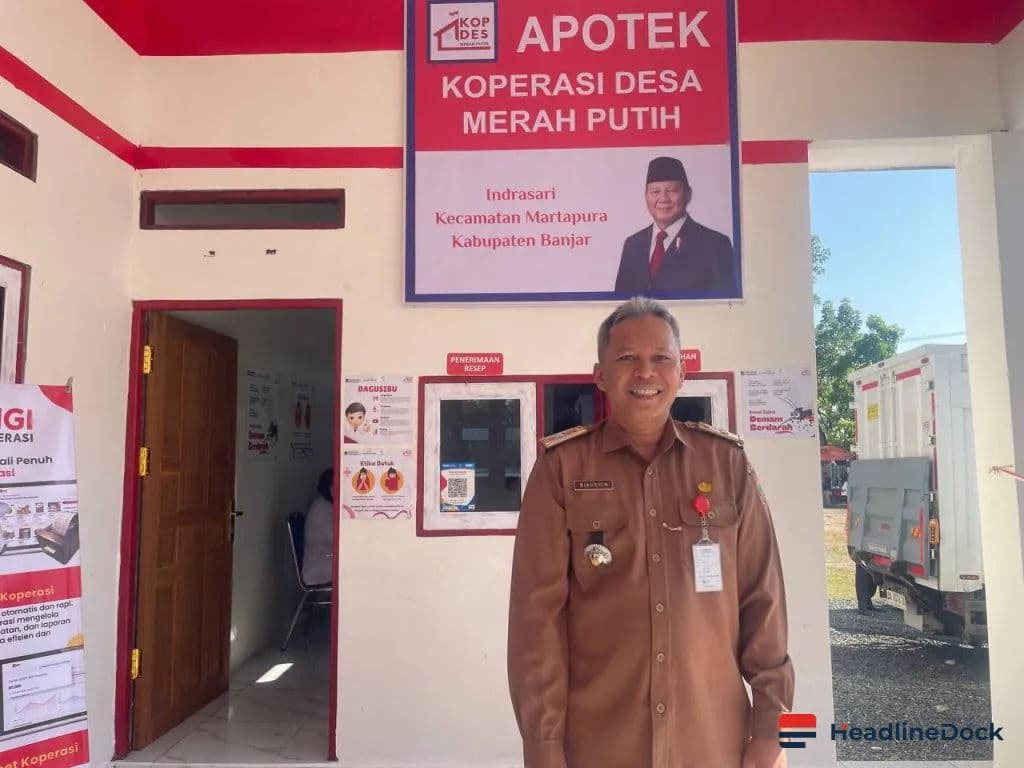
The Prabowo Subianto administration has launched an initiative to expand the presence of Koperasi Merah Putih, specifically by establishing village-level pharmacies and clinics. While the government aims to improve access to medicine in rural areas, the introduction of these Merah Putih pharmacies has raised significant concerns regarding regulatory oversight and the potential for public health risks associated with the unsupervised use of medications.
Operational Structure and Regulatory Gaps
The model for these new facilities differs significantly from traditional pharmacies. They function through a hub-and-spoke system consisting of a central Core Pharmacy and multiple Plasma Pharmacies. While the core location is managed by a licensed pharmacist, the satellite units are operated by vocational pharmacy staff. A single pharmacist is tasked with overseeing up to five plasma units, a setup that experts argue creates a critical gap in professional supervision.
Furthermore, there is a lack of clarity regarding the formal oversight of the Merah Putih pharmacy supply chain. While these facilities receive medical supplies from PT Kimia Farma Apotek and PT Kimia Farma Diagnostika, they currently fall outside the comprehensive regulatory framework of the National Agency of Drug and Food Control (BPOM). Because these establishments are not explicitly recognized under existing BPOM or national healthcare laws, there is no standardized protocol to ensure proper drug storage or quality control, leaving residents increasingly vulnerable to medication mismanagement.
Public Health Implications and Medication Risks
The primary concern remains that the simplified oversight structure could encourage the misuse of pharmaceuticals and improper self-medication. Evidence suggests that even within existing pharmacies, the sale of antibiotics without a prescription is alarmingly common. By expanding access through these Merah Putih outlets without robust monitoring, there is a heightened risk of antibiotic resistance and dosage errors, which are significant threats to public safety.
Critics of the program argue that the government’s focus on rapidly deploying these new pharmacy units fails to address more fundamental issues, such as the dire condition of existing public health infrastructure like Puskesmas. Many community health centers remain in disrepair, and in remote areas, poor transportation and road conditions often prevent citizens from reaching necessary medical care. Providing more distribution points is ineffective if the foundational systems—including consistent professional oversight and reliable medical infrastructure—are not properly prioritized. Moving forward, health professionals are being urged to maintain strict ethical standards to mitigate the potential dangers posed by this expansion, ensuring that the drive for increased accessibility does not come at the expense of patient safety and proper medical guidance.