PM Modi Highlights 12 Years of Progress in Affordable Indian Healthcare
Prime Minister Narendra Modi marks 12 years of transformative efforts in the Indian healthcare sector. Focus areas include the success of the Ayushman Bharat program, reduced medicine costs via Jan Aushadhi, and the expansion of medical education to ensure accessible and affordable health services for all.
Highlights
- •PM Narendra Modi emphasized a 12-year focus on making quality healthcare affordable and accessible.
- •The Ayushman Bharat program is highlighted as the world’s largest healthcare initiative for the vulnerable.
- •Government efforts have successfully reduced costs for essential medicines and regulated prices for medical implants.
- •Expansion of medical education, including more institutions and seats, is strengthening the future healthcare workforce.
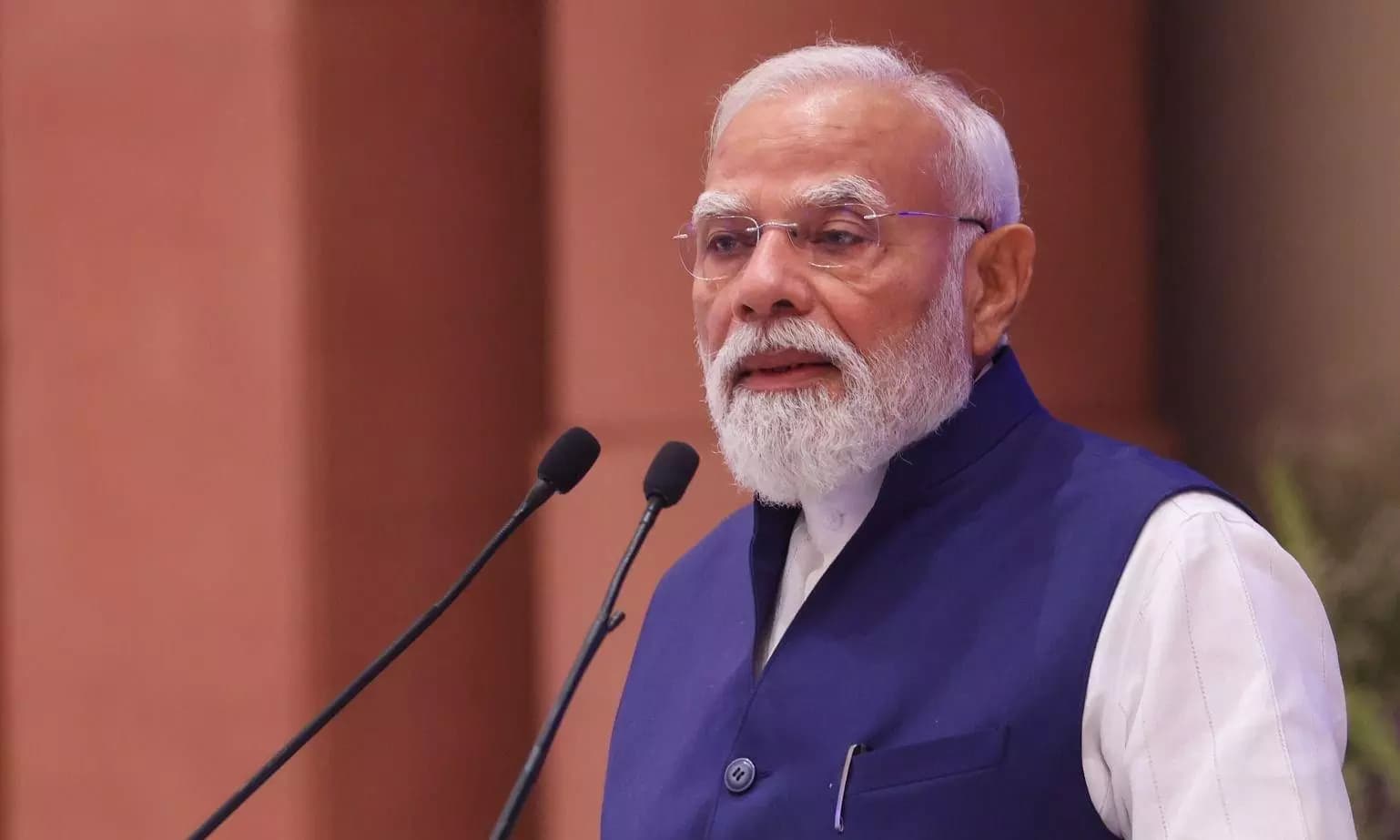
Prime Minister Narendra Modi has highlighted the significant progress made in the national health sector, emphasizing that the country is steadily advancing toward a healthier future. In a recent statement, the Prime Minister noted that over the past 12 years, the government has dedicated substantial efforts to ensure that high-quality healthcare remains both affordable and accessible for all citizens.
According to the Prime Minister, the transformation of the medical landscape has been driven by a series of strategic initiatives. Central to this vision is Ayushman Bharat, which is recognized globally as the largest healthcare program of its kind. This flagship scheme serves as a cornerstone for providing robust medical support to the most vulnerable sections of society, ensuring they have access to top-tier treatment without the burden of excessive financial constraints.
Strategic Enhancements in Affordable Healthcare
The government's focus extends beyond primary care to the affordability of medications and life-saving medical devices. The PM Bharatiya Jan Aushadhi Pariyojana has been instrumental in lowering the cost of essential medicines, providing relief to countless families. Furthermore, the administration has taken decisive action to regulate the pricing of critical medical components, including stents and knee implants, which has significantly eased the financial pressure on patients requiring these procedures.
In addition to these measures, the expansion of medical education remains a top priority. By increasing the number of medical institutions and available student seats, the nation is successfully creating a larger pool of trained professionals. This expansion is particularly crucial for improving access in underserved regions, ensuring that the benefits of a robust healthcare system are distributed more equitably across the country. These multi-faceted efforts reflect a long-term commitment to building a resilient, future-ready medical ecosystem that prioritizes the well-being of every citizen.
The ongoing developments underscore a broader national strategy to institutionalize quality care. As the government continues to build upon the progress achieved over the last 12 years, the focus remains on enhancing systemic capacity, reducing out-of-pocket expenditure for patients, and fostering a healthier, more prosperous nation for all.