Nelakondapalli Buddhist Stupa Aimed for Global Growth as World Tourism Hub
Telangana is on a mission to develop Nelakondapalli Buddhist Stupa into an international tourism hub, investing ₹2.50 crore for facility upgrades and historical preservation efforts.
Highlights
- •Nelakondapalli Buddhist Stupa transformation set to attract global tourists
- •Subsurface geophysical survey aims to uncover hidden historical treasures
- •Four acres planned for infrastructure, including 3D Interpretation Centre and open-air amphitheatre
- •Allocated budget of ₹2.50 crore for development and enhancement
Telangana's plan to transform the Nelakondapalli Buddhist Stupa into a major international tourism hub is gaining momentum. With an allocated budget of ₹2.50 crore, this ancient site in Khammam district is being groomed to attract visitors from around the globe.
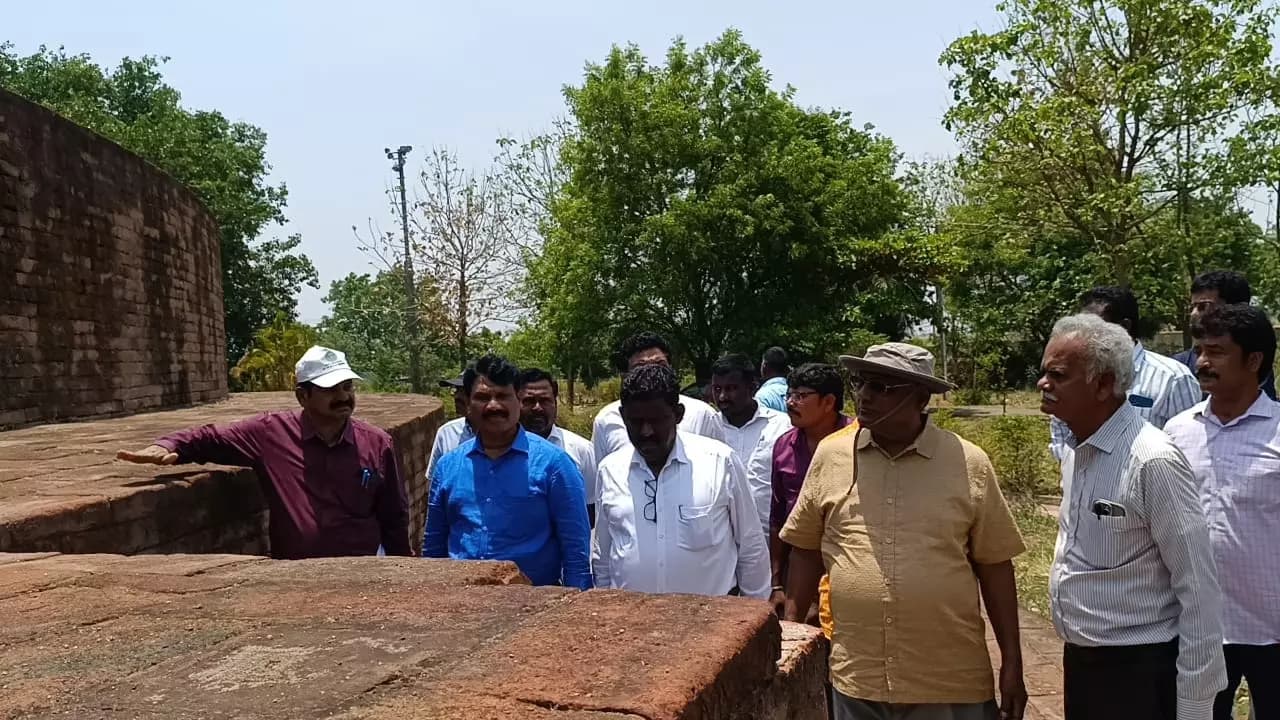
An expert team led by Professor Arjun Rao Kuthadi, director of Telangana's heritage department, and C. Anjaneya Reddy, mentor of Buddhavanam project, conducted a detailed on-site assessment last week. This evaluation covered landscaping plans, infrastructure development for tourists, and funding projections to support the vision of making Nelakondapalli a beacon of cultural tourism.
Subsurface Geophysical Survey: Unveiling Hidden Heritage
As part of the comprehensive plan, a subsurface geophysical survey will be undertaken in collaboration with the National Geophysical Research Institute (NGRI). Instead of limited surface excavations, this advanced method promises to reveal hidden historical treasures deep beneath the earth. By scientifically uncovering and preserving these remnants, experts hope to deepen our understanding of ancient Buddhist practices.
Four acres of land are earmarked for infrastructure development, including a 3D Interpretation Centre that will showcase the site's rich history through interactive exhibits and audio-visual presentations. Additionally, the proposed amenities feature an open-air amphitheatre, international-standard walking trails, and state-of-the-art lighting systems to enhance the visitor experience.
The team expects to provide a detailed report within two months, outlining their recommendations and plans for the development of this invaluable historical site. Professor Kuthadi expressed confidence that these efforts would significantly boost tourism in the region while preserving the integrity of Nelakondapalli's cultural heritage.