Modi Government Introduces Digital Ration System in Gujarat
The Modi government is introducing a new digital ration system in Gujarat, making food subsidies available through digital wallets to improve transparency and reduce fraud. However, challenges related to internet access and digital literacy in rural areas threaten the initiative's success.
Highlights
- •The Modi government launches a pilot digital Ration Distribution System (DRDS) in Gujarat to improve transparency and efficiency in welfare distribution.
- •Beneficiaries will receive digital coupons called “e-Rupee” in their digital wallets for purchasing food rations, eliminating the need for cash transfers or traditional digital methods.
- •The project aims to reduce fraud and enhance government control over spending by ensuring funds are used solely for intended purposes.
- •The system is expected to be rolled out nationwide within the next three to four years and can serve as a model for other countries looking to implement digital welfare programs.
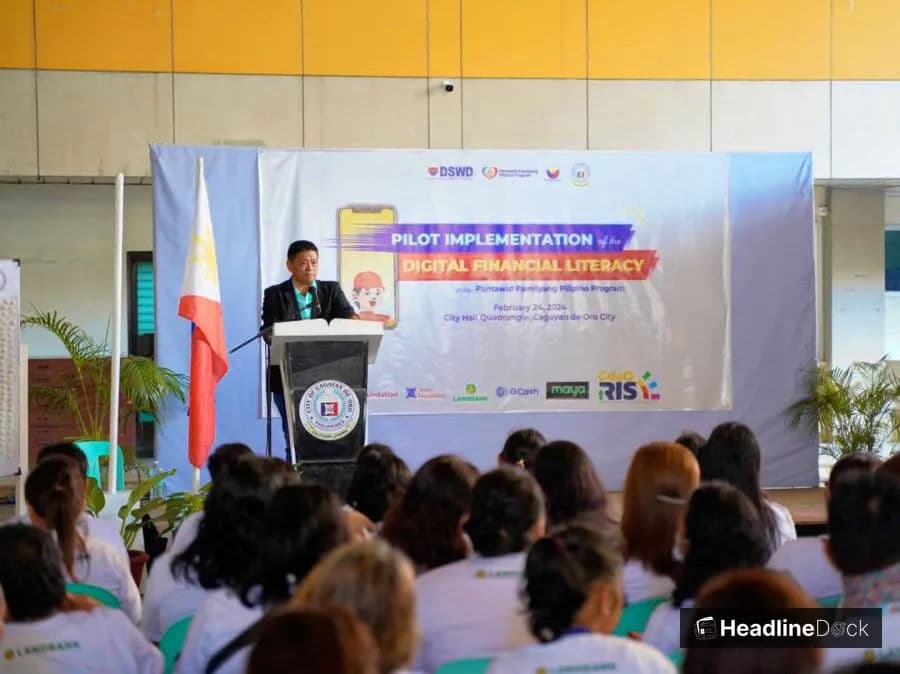
The Narendra Modi-led government has launched an innovative digitized ration distribution system (DRDS) in Gujarat, India. Beneficiaries will receive digital coupons called “e-Rupee” directly into their digital wallets for the purchase of food rations.
The project, a pilot of the Central Bank Digital Currency (CBDC), aims to make the ration distribution system more transparent and effective. This initiative builds upon previous digital welfare delivery methods in India, including the implementation of e-POS machines and a “One Nation, One Ration Card” program.
Under this scheme, beneficiaries will be able to directly access food subsidies, eliminating the need for cash transfers or traditional digital methods. The government believes this model can reduce fraud and streamline the subsidy management process. The system will also make it easier for the government to monitor spending effectively, potentially setting a new standard for digital welfare programs in India.
However, the new system also faces challenges, such as limited internet access and digital literacy gaps in rural and remote areas. The project will soon be rolled out in Puducherryre and other Union Territories, with the Reserve Bank of India (RBI) distributing the CBDC directly to the digital wallets of beneficiaries.
Experts predict that if the DRDS proves successful, it could set a global benchmark for government-issued digital currency in social welfare programs. This initiative also aligns with similar programs in other countries, including the US and Brazil, which use electronic benefit transfer cards and other digital payment methods for similar purposes.