Mamata's Defeat: BJP Claims West Bengal's Political Landscape
Mamata Banerjee's Trinamool Congress lost control of West Bengal to the BJP, a shock that highlights failed policies aimed at stoking communalism and undermining national unity. The election outcomes portend major political changes in Northeastern India.
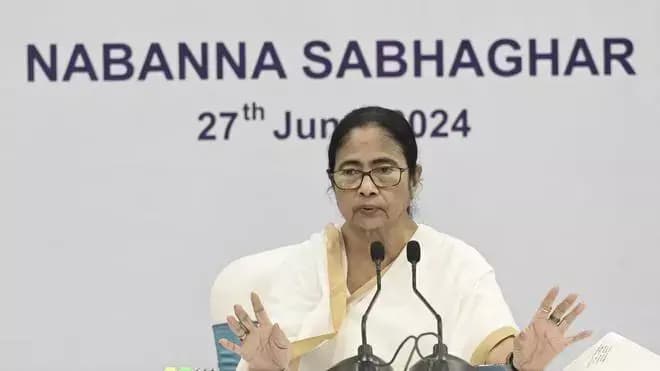
Highlights
- •Trinamool Congress suffers historic defeat
- •BJP's Suvendu Adhikari claims victory
- •Mistrust fueled by TMC's divisive policies
- •Bangladesh's 'lebensraum' policy redefined
In a seismic political shift, the Trinamool Congress (TMC) led by Mamata Banerjee suffered its most humiliating defeat in decades at the hands of the Bharatiya Janata Party (BJP) in West Bengal. Known for their secular image, the TMC's 15-year rule was marked by electoral invincibility until this upset that exposes deep-rooted alienation among voters.
Secular Image vs. Nationalist Policies
The TMC's defeat is a testament to how ideologically driven policies, often seen as anti-national and aimed at promoting communalism, alienated a significant portion of the electorate including both Bengali and non-Bengali Hindu voters. By implementing barriers that drove a wedge between West Bengal and the rest of India, Mamata attempted to exploit mistrust for political gains.
Mamata's frequent references during her campaign to perceived threats from nationalistic states involving forced departures and restrictions on cultural practices like speaking Bengali or eating fish and meat underscored her efforts to polarize communities. However, these claims faced criticism from concerned residents who deemed them as untruthful.
Her government's controversial actions, such as removing the Ashok Stambha national emblem and banning certain films, signaled a growing disunity within West Bengal. This further destabilized her administration's reputation with both national security agencies and religious institutions alike.
The TMC government's role in allowing Bangladeshi infiltrators and terrorists into sensitive areas exacerbated the situation. The screening of films like Kashmir Files and banning lectures by Indian military leaders demonstrated their reluctance to collaborate with central authorities on national security issues.
With Mamata's defeat, the BJP emerged as a powerful force under Chief Minister Suvendu Adhikari. His decision to work on fencing the international border with Bangladesh has sent tremors through Dhaka's ruling establishment. Accusations of intimidating Bangladesh by constructing barriers underscore the ongoing tension.
The geopolitical implications extend beyond West Bengal, affecting India's northeastern regions and potentially altering regional dynamics as seen in Bangladesh's aspirations for 'Greater Bangladesh'.