LDF Stages Kerala Assembly Walkout Over Health Ministry's Handling of Disease Outbreaks
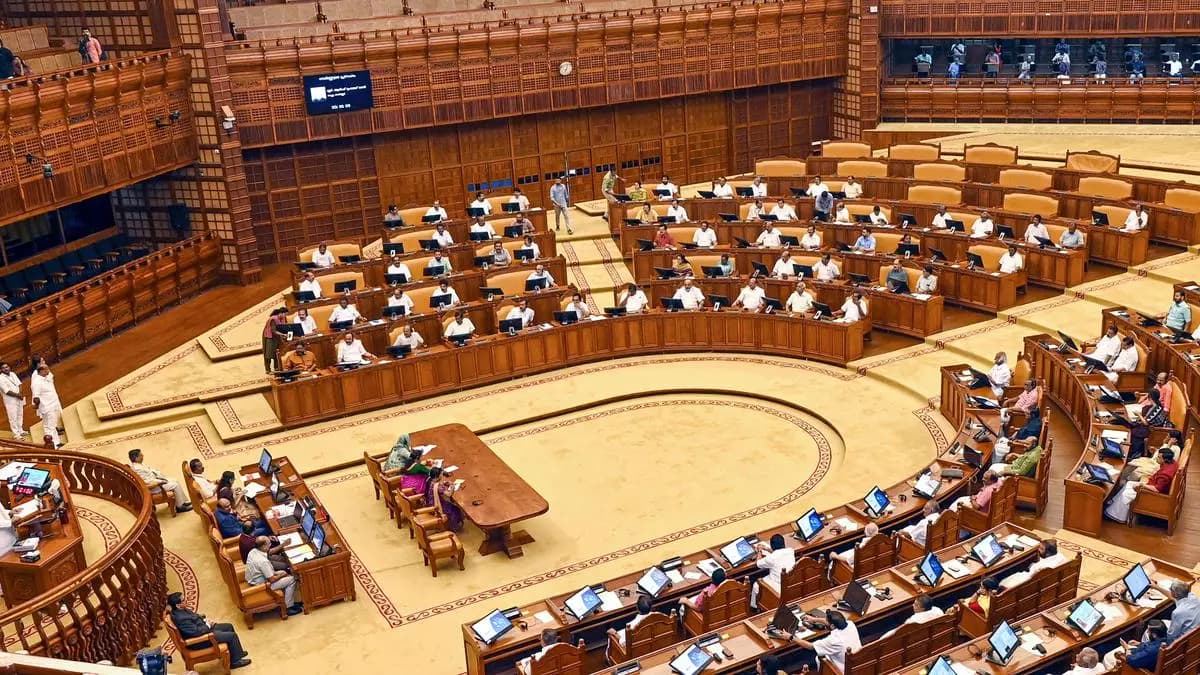
The Kerala Assembly witnessed a protest walkout by LDF members following the rejection of an adjournment motion regarding the Health Ministry's handling of rising communicable diseases. The opposition raised concerns over administrative failures, while the Health Minister defended the government's proactive health initiatives.
Highlights
- •LDF MLAs staged a walkout after an adjournment motion concerning Kerala's Health Ministry was rejected.
- •Opposition leaders cited a surge in communicable diseases like Nipah and West Nile fever as evidence of administrative failure.
- •Health Minister K. Muraleedharan defended government actions, emphasizing effective departmental coordination and proactive prevention measures.
- •Disputes persist over the impact of staff transfers and vacant senior medical positions on public health delivery.
Tensions escalated within the Kerala Assembly on Monday as the legislative proceedings were interrupted by a walkout led by the opposition LDF. The protest followed the rejection of an adjournment motion aimed at debating the alleged failure of the state’s Health Ministry in managing the rising threat of communicable diseases across the region. Members of the opposition raised grave concerns regarding the administration of public health services, suggesting that the state's traditional success in the health sector is currently under significant strain.
Debate Over Public Health Governance
Initiating the discussion, CPI(M) legislator and former minister P. A. Mohammed Riyas challenged the government's approach. He pointed to a series of concerning disease outbreaks, including Nipah, West Nile fever, amoebic meningoencephalitis, and monkey fever, arguing that these occurrences demonstrate a lack of coordination within the Health Department. Riyas further criticized the current administration for ongoing personnel transfers and administrative shifts, which he claimed have severely impacted the efficiency of medical services. Specifically, he noted that several districts, including Kozhikode—a focal point for recent health scares—are operating without essential senior officials.
In his response, Health Minister K. Muraleedharan dismissed the opposition’s allegations as politically motivated. He emphasized that the government is actively working to address the challenges left behind by previous administrative decisions. The minister asserted that the state has maintained effective departmental coordination, noting that essential medications for Nipah were secured within 24 hours of reports surfacing. He reassured the House that the government's strategy prioritizes proactive prevention through vigilance and public engagement, rather than solely reacting to outbreaks. Muraleedharan also promised that existing vacancies within the health sector would be filled urgently to bolster operations.
Political Standpoint and Legislative Action
Leader of the Opposition Pinarayi Vijayan countered the minister's claims, arguing that fundamental disease prevention activities at the grassroots level have largely stalled under the current leadership. He contended that the previous LDF administration had fulfilled all necessary preparatory measures before the Model Code of Conduct was implemented. The exchange culminated in Speaker Thiruvanchoor Radhakrishnan denying permission for the adjournment motion. Consequently, the LDF staged a walkout, signaling their continued dissatisfaction with the government's handling of the state's public health crisis. The incident reflects broader political divisions regarding governance and health safety in Kerala, highlighting the urgent need for a cohesive strategy to protect public well-being amidst these ongoing challenges.