Ladakh's Triumph Over J&K: A Lesson in Political Mobilization
Ladakh's successful bid to secure constitutional safeguards challenges J&K's political leadership and highlights the importance of sustained grassroots activism. Critics question why J&K's mainstream parties were unable to match similar success, underscoring a broader debate on unity and strategic engagement.

Highlights
- •Ladakh Secures Constitutional Safeguards Through Grassroots Activism
- •Political Leaders Criticize J&K's Mainstream Parties for Lack of Action
- •Union Home Minister Amit Shah's Visit Paved the Way for Dialogue
- • LAB and KDA Aiming for Comprehensive Governance Framework
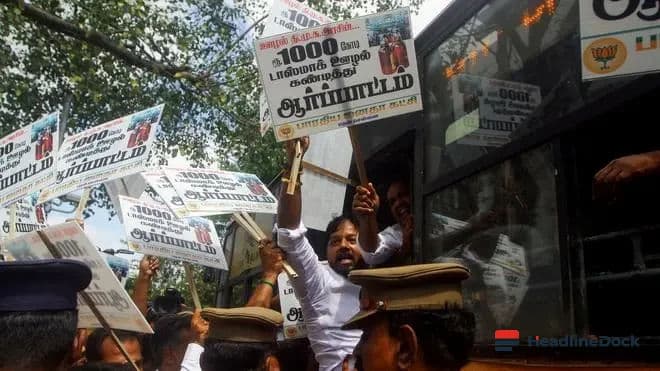
How Ladakh Secured Constitutional Safeguards for the First Time: Amid the ongoing discourse on constitutional safeguards, Ladakh's successful bid to receive protections under Article 371 underscores a stark contrast with the political landscape of Jammu and Kashmir (J&K). This move has triggered intense debate over why similar rights could not be acquired by J&K's mainstream political leadership.
The Centre's decision to extend constitutional safeguards to Ladakh, mirroring those given in Nagaland, Sikkim, or Mizoram, exemplifies a significant shift. Critics argue that while Ladakh achieved its goal through persistent grassroots movements and unity, J&K's political class appeared complacent and unable to coordinate similar efforts.
Key Figures and Movements
Notable leaders like Aga Syed Ruhullah Mehdi of the National Conference (NC) MP from Srinagar, have expressed disapproval. He stated, 'If a small region can fight and win its rights, there should be no excuse for Kashmir's leaders to fail.' His comments reflect the broader criticism within political circles.
Waheed Ur Rehman Para of the Peoples Democratic Party further highlighted Ladakh's success by noting that it achieved in just seven years what J&K could not secure in decades. He emphasized that even a modest population like Ladakh's has managed to influence central policies, presenting a stark comparison.
Journalist Zafar Chaudary echoed this critique, stating that fewer than six individuals managed to negotiate significant protections with the Centre. His remarks have gained traction on social media, sparking ongoing debates about J&K's political fragmentation and lack of unity.
Ladakh's leadership, primarily represented by the Leh Apex Body (LAB) and Kargil Democratic Alliance (KDA), is currently close to securing a comprehensive framework for these constitutional safeguards. The breakthrough follows persistent dialogue with Union Home Minister Amit Shah during his recent visit to Leh.
The LAB and KDA have long championed a transformative agenda, aiming for statehood, separate Lok Sabha seats for Leh and Kargil, and protection of local employment through a dedicated Public Service Commission. These demands now appear closer than ever with the Centre indicating willingness to provide Article 371-style protections.
While not all demands have been fully met, this move marks a significant shift. The proposed governance model could eventually pave the way for full statehood once Ladakh achieves financial viability.