Kerosene to Reintroduce in Households Amid LPG Shortage
Kerosene is being reintroduced as an essential fuel option in India amid severe LPG shortages due to conflicts disrupting global oil supplies through the strait of Hormuz.
Highlights
- •The Indian government has allocated additional quota for kerosene, addressing household cooking needs during the gas crisis.
- •Hotels and restaurants have been granted temporary permission to use coal and biomass as alternative fuels, aiming to stabilize distribution networks.
- •Kerosene's resurgence highlights the need for diversification in India's energy supply amid geopolitical tensions impacting global markets.
- •The LPG shortage crisis underscores the importance of securing domestic gas supplies amidst potential supply disruptions.
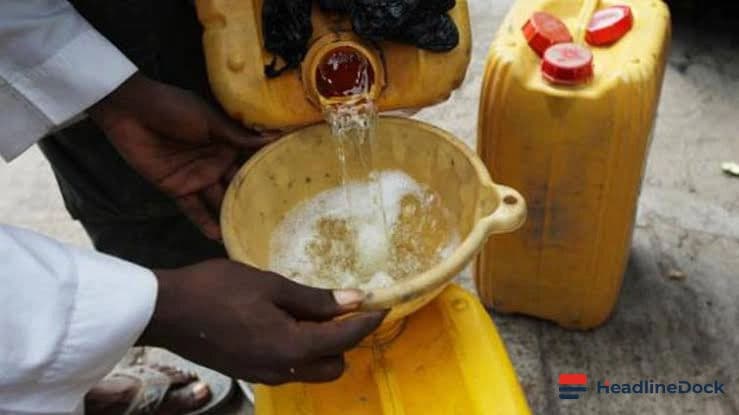
Amid the volatile geopolitical landscape of West Asia, a commodity that was once relegated to remote kitchens is making a dramatic comeback. Kerosene has resurfaced as an essential fuel option due to recent disruptions in liquid petroleum gas (LPG) supplies.
In India, energy security remains fragile with 88% of oil imports originating from outside the country. The strait of Hormuz, a critical route for transporting crude oils and gases, has been virtually closed off due to ongoing conflicts. This disruption in supply is having severe repercussions on LPG availability.
To alleviate this crisis, the Indian government has opted to diversify energy sources. By permitting hotels and restaurants to use alternative fuels such as coal and biomass for a limited period, the government aims to stabilize domestic supplies and avoid hoarding of essential goods. Additionally, kerosene has regained its quota boost, providing households with additional fuel options.
This move signals the need for increased diversification in energy sources amidst uncertain global markets. As tensions persist, strategies like this play a crucial role in securing energy for both commercial and residential use.