Kerala to Develop Historic Thiruvallam Temple Following the Tirupati Model
The Kerala government has announced plans to develop the 2,000-year-old Sree Parasurama Temple in Thiruvallam as a national pilgrimage center, following the Tirupati model. The initiative, supported by Rajeev Chandrasekhar, includes major infrastructure upgrades and reforms for the Malabar Devaswom Board to improve devotee experience.
The Kerala state government has unveiled significant plans in its latest revised budget to transform the historic Sree Parasurama Temple in Thiruvallam into a prominent national pilgrimage site. Inspired by the development model of the renowned Tirupati shrine, this initiative aims to provide enhanced facilities and a more structured experience for the thousands of devotees who visit the site.
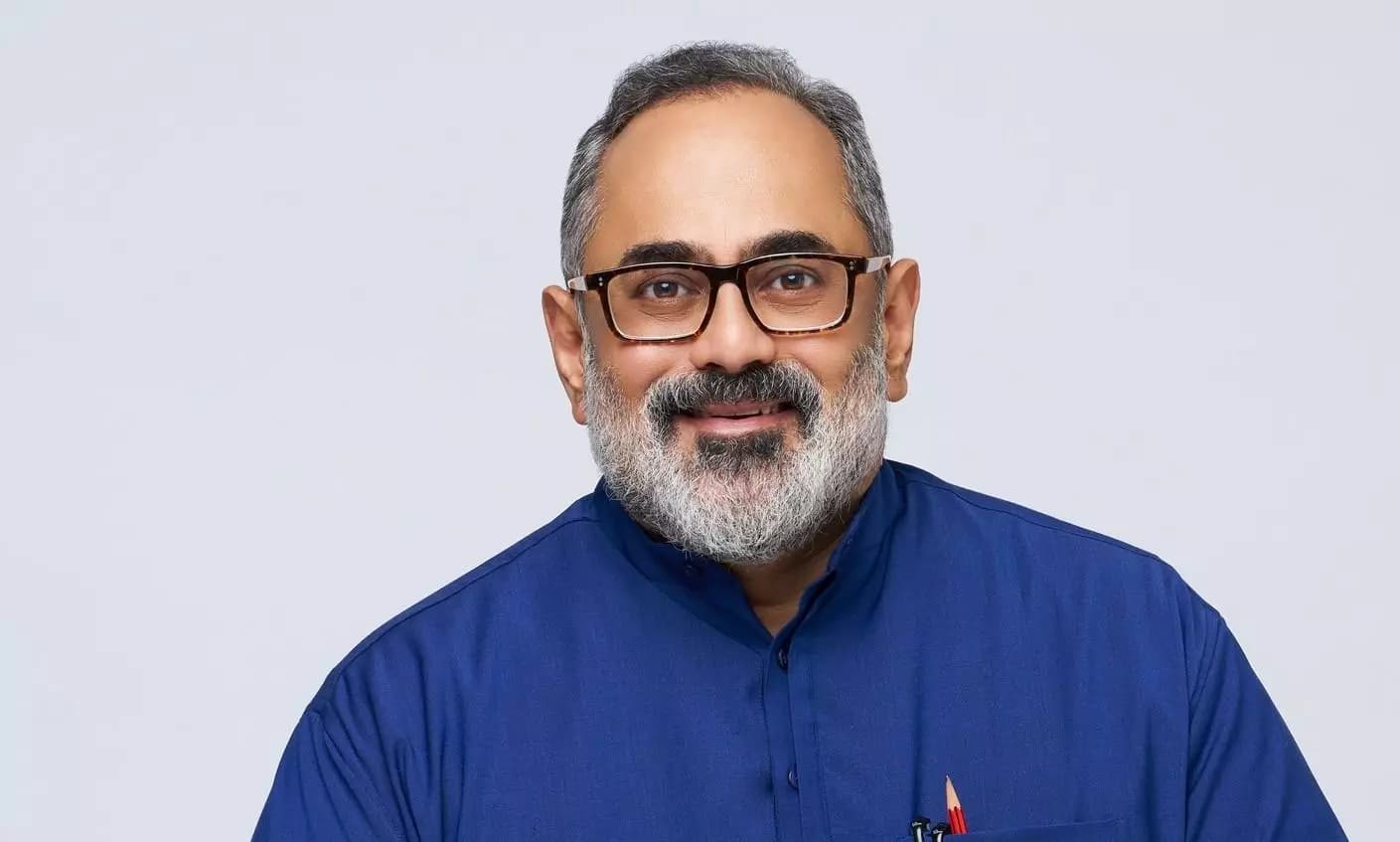
Rajeev Chandrasekhar, the BJP state president and MLA for the Nemom assembly constituency, has publicly welcomed this announcement. He emphasized that this nearly 2,000-year-old temple, which holds deep religious significance as one of the 108 Abhimana Kshethrams of the Vaishnavite tradition, had suffered from neglect for many years. Chandrasekhar noted that he has been actively advocating for this redevelopment project over the past two years through official correspondence and consultations with stakeholders.
Revitalizing Sacred Heritage and Infrastructure
The Sree Parasurama Temple, located on the banks of the Karamana River, is particularly celebrated for its role in Balitharpanam rituals, where devotees perform ancestral tributes. Under the new budgetary framework, the government aims to ensure that worshippers can conduct these sacred rites in a significantly cleaner and safer environment. The move is part of a broader government strategy, presented by Chief Minister V D Satheesan, to elevate major pilgrimage sites across the state to national-level status.
Beyond the specific development of the Thiruvallam site, the budget includes a dedicated allocation of Rs 5 crore specifically for the renovation of temple ponds and sacred groves, known as kavu. Another Rs 5 crore has been earmarked for the annual annuity payments to the Travancore Devaswom Board. These measures reflect a concerted effort to preserve and modernize the cultural and spiritual infrastructure of the region.
Strengthening Administrative Oversight
The policy announcement also signals a shift in the administration of temple affairs. The government has committed to strengthening the Malabar Devaswom Board, granting it increased autonomy and powers to bring its operational efficiency on par with other major boards in the state. By focusing on both physical infrastructure and administrative capacity, the state hopes to sustain the long-term viability of its ancient temple network. This initiative marks a major milestone for the heritage site and the local community, promising a future where traditional practices and modern amenities coexist to better serve the needs of pilgrims arriving from across the country.