Kerala HC Invalidates Oaths Taken in Names Other Than God or Solemn Affirmation
The Kerala High Court has ruled that local body representatives must adhere strictly to statutory oath formats, invalidating oaths that included unauthorized references. While election results stand, the affected councillors must retake their oaths in accordance with the law within four weeks.
Highlights
- •Kerala HC ruled that local body oaths must strictly follow the law, excluding personal additions.
- •Elected officials in Thiruvananthapuram and Palakkad must retake their oaths within four weeks.
- •The court protected the democratic mandate, ensuring election results remain valid despite the procedural errors.
- •Official actions by the Vadakkencherry panchayat member were declared invalid due to the lack of protective legal provisions.
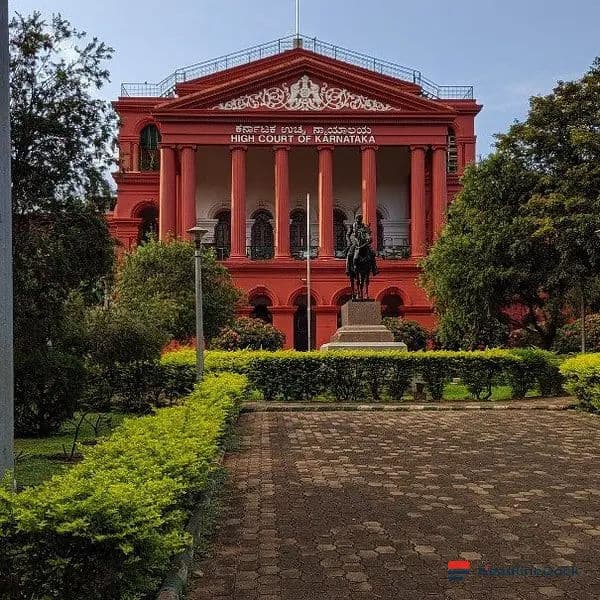
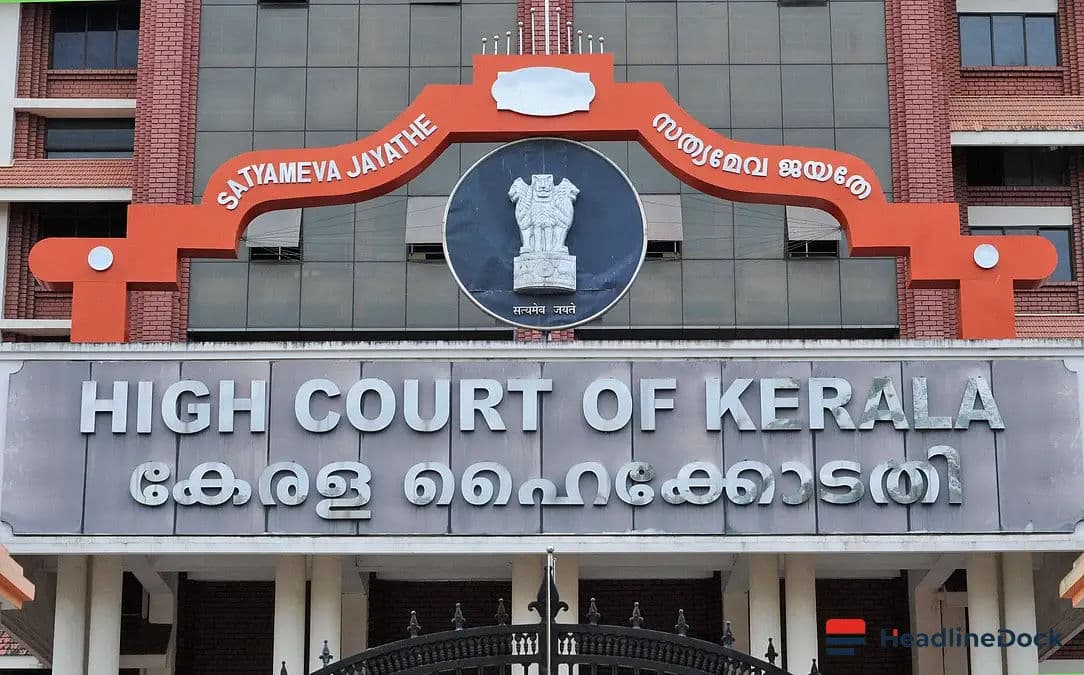
The Kerala High Court has issued a significant ruling regarding the mandatory format for swearing-in ceremonies for elected local body representatives. In a judgment delivered by Justice P V Kunhikrishnan, the court declared that oaths taken by various councillors using names other than 'God' or a standard solemn affirmation are legally invalid. This decision specifically impacts several BJP councillors within the Thiruvananthapuram Corporation, alongside a grama panchayat member in the Palakkad district.
The legal controversy emerged after representatives chose to deviate from the statutory requirements outlined in the Kerala Municipality Act and the Kerala Panchayat Raj Act. Instead of adhering to the prescribed phrases, these individuals invoked the names of specific deities, nationalistic references such as 'Bharathamba' or 'Bharatha Matha', and mentions of political figures or martyrs. The court emphasized that while individual citizens maintain full freedom of religion and personal belief, such personal expressions are not permitted when performing a formal, statutory oath of office.
Legal Requirements for Oath-Taking
Justice P V Kunhikrishnan clarified that an oath serves as a solemn pledge to the electorate, ensuring that a representative is committed to upholding the Constitution, following the rule of law, and serving the public with integrity. When a statute explicitly mandates a specific format for this ceremony, adding or substituting words is strictly prohibited. The ruling noted that the expansion of the term 'God' to include various other names, while perhaps intended as a sign of respect by the individuals involved, violates the clear letter of the law.
Despite invalidating the specific oaths, the court expressed a commitment to democratic principles by refusing to nullify the election results of the involved representatives. The democratic mandate of these officials remains intact. To rectify the situation, the court directed the relevant authorities to organize fresh ceremonies, allowing the affected councillors and the panchayat member to take their oaths properly within a four-week timeframe.
Furthermore, the court ruled that no punitive actions should be taken against these representatives, noting they had acted under a bona fide belief that their chosen forms of oath were legally permissible. For the Thiruvananthapuram Corporation councillors, actions taken during their tenure are protected under Section 531 of the Kerala Municipality Act. However, the situation differs for the Vadakkencherry grama panchayat member; because the relevant Panchayat Raj Act lacks an equivalent protective clause, all official actions performed by that member prior to the court's order have been declared invalid until a proper, compliant oath is completed.